2026 Top Rock Drill Air Hose Features You Need to Know?
The demand for Rock Drill Air Hose has surged in recent years, driven by robust growth in the mining and construction sectors. According to a recent industry report, the global mining equipment market is projected to reach $150 billion by 2026, a clear indicator of the rising need for efficient rock drilling tools. Within this context, the performance of the air hoses used is crucial for operational success.
Quality and durability are paramount when selecting a Rock Drill Air Hose. Many factors, such as pressure rating and material composition, directly influence a hose’s efficiency. A report from the International Association of Drilling Contractors highlighted that equipment failures can lead to project delays of up to 30%. Thus, knowing the key features of these hoses is not optional; it is a necessity for maintaining high productivity rates.
Understanding the technological advancements in Rock Drill Air Hose manufacturing can also help companies make informed decisions. Many hoses now come with enhanced flexibility and temperature resistance, minimizing wear and tear. However, it’s vital to reflect on the balance between cost and quality; cheaper options might compromise safety and performance. Investing in top-notch hoses today can safeguard operations tomorrow.
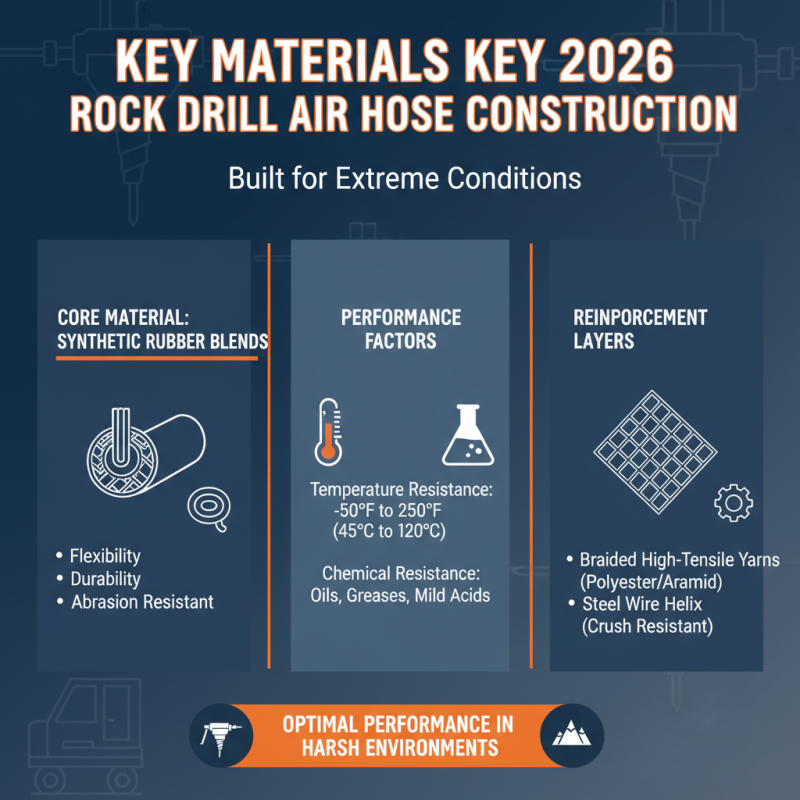
Key Materials Used in 2026 Rock Drill Air Hose Construction
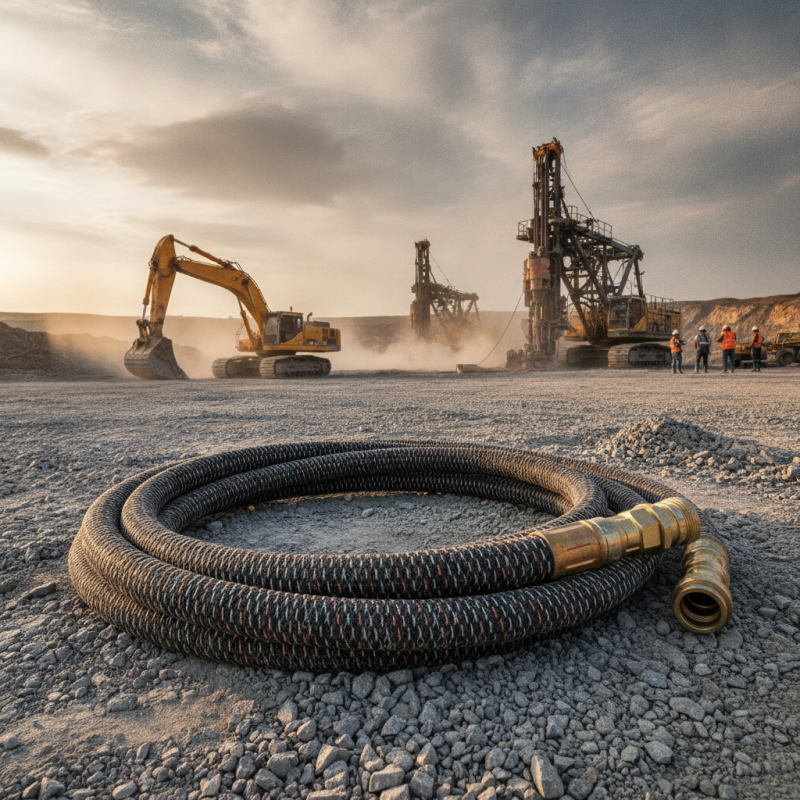
When it comes to rock drilling, the air hose is essential. Understanding the materials used in its construction can greatly impact performance. Many hoses use synthetic rubber blends. These materials offer flexibility and durability in harsh conditions. However, not all rubber types can withstand extreme temperatures or chemicals.
In addition to rubber, reinforced fabric is often used. This helps prevent wear and tear during operations. The inner lining is crucial too. It should be smooth to reduce air friction. Some hoses even incorporate lightweight composites. These can reduce fatigue for users during extended projects.
Despite advancements, challenges remain. Not every material performs as expected under intense pressure. Some hoses might develop leaks over time. Users should regularly inspect hoses for damage. Understanding these features can lead to better choices in equipment. Proper maintenance is vital for longevity.
Comparative Analysis of Pressure Ratings in Air Hoses for Rock Drilling
When choosing air hoses for rock drilling, pressure ratings are critical. Understanding these ratings helps ensure the safety and efficiency of drilling operations. Typically, air hoses are rated for different pressure levels, often measured in pounds per square inch (PSI). Hoses with higher pressure ratings can withstand more demanding environments, making them suitable for heavy-duty tasks.
Different materials also influence pressure ratings. Rubber hoses are generally more flexible, but they may not withstand extreme pressures as well as synthetic materials. Users need to evaluate the specific conditions in which the hose will be used. Sometimes, less pressure-resistant hoses may suffice for lighter tasks. However, using them in high-pressure situations can lead to failures.
It is also essential to consider the hose's diameter. Wider hoses usually allow for better airflow, which can impact drilling efficiency. A balance between pressure ratings and hose diameter plays a significant role in performance. Users should reflect on their specific needs and seek advice from experienced professionals. Ultimately, making informed decisions ensures both reliability and safety in rock drilling projects.
Temperature Resistance and Flexibility: Essential Features of Air Hoses
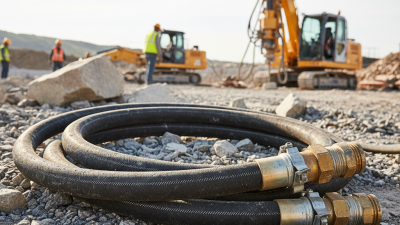
When selecting air hoses for rock drills, temperature resistance and flexibility are crucial. Air hoses are often exposed to harsh environments. High temperatures can lead to hose degradation, reducing their effectiveness during operation. A good air hose should withstand extreme temperatures without losing its integrity. This ensures consistent performance under varying conditions.
Flexibility is equally important. In tight spaces or rugged terrains, rigid hoses can hinder performance. A flexible air hose can navigate around obstacles easily. This reduces the risk of kinks and tangles that can lead to air pressure loss. Flexibility also enhances user convenience, making it easier to handle during drilling tasks.
Looking at these features requires some consideration. Not all hoses are created equal, and some may not meet specific needs. Assessing the application thoroughly can help in making better choices. It's essential to balance durability with performance capabilities. This reflection helps improve decision-making in selecting the right air hoses for rock drilling.
2026 Top Rock Drill Air Hose Features: Temperature Resistance and Flexibility
Industry Standards and Safety Certifications for Rock Drill Air Hoses
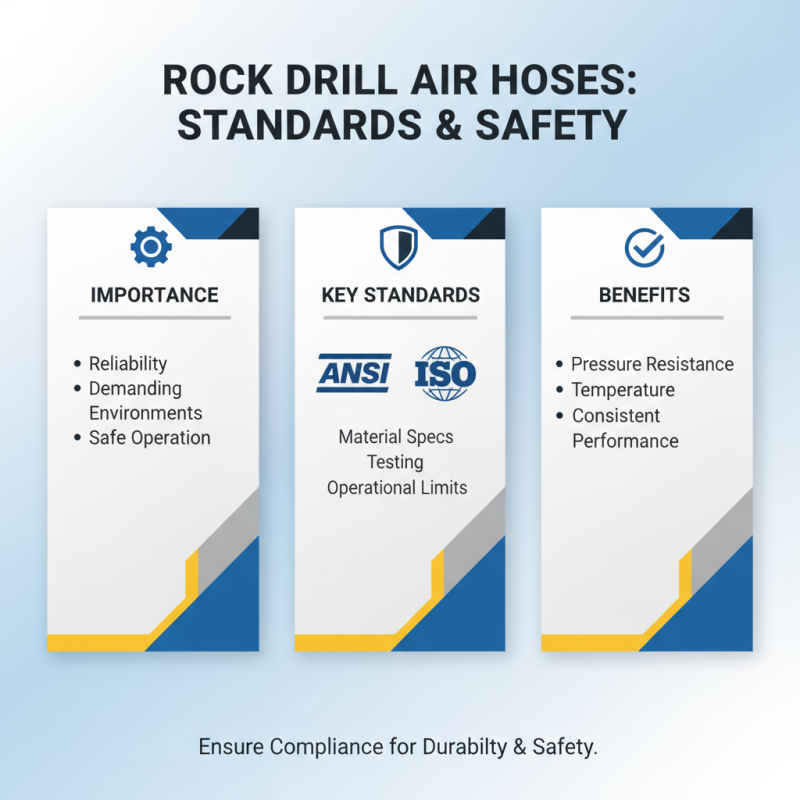
When choosing rock drill air hoses, understanding industry standards and safety certifications is essential. These norms ensure the product is reliable and safe for use in demanding environments. Look for hoses that meet ANSI or ISO standards. These guidelines specify the required material, testing procedures, and operational limits. Compliance signifies that the hose can withstand various pressure and temperature conditions while performing effectively.
Another critical factor is safety certifications. Hoses that carry certifications from recognized bodies offer assurance against potential hazards. For instance, hoses may be tested for burst pressure and abrasion resistance. Such evaluations help prevent failures that could lead to accidents. While many options are available, not all meet these rigorous standards. Some hoses might appear durable but lack the necessary certifications, making them less trustworthy.
Additionally, manufacturers often provide documentation for their products. This information can include test results and material specifications. However, some documents may be outdated or incomplete. Always verify the credibility of the information. Reviewing feedback from users can also provide insights into the performance of specific hoses. It’s essential to weigh these factors carefully to ensure you choose a safe and effective rock drill air hose.
Advancements in Air Hose Technology and Their Impact on Performance
Advancements in air hose technology have transformed performance standards in rock drilling. One notable improvement is the introduction of flexible materials. These materials allow for better maneuverability, reducing kinking and snags during operations. This flexibility enhances efficiency in tight spaces, where traditional hoses may struggle.
Moreover, newer air hoses are designed to withstand harsh environments. Enhanced durability means they resist abrasion and can endure extreme temperatures. This development not only prolongs the lifespan of the hoses but decreases maintenance costs. Operators can focus more on their tasks rather than worrying about equipment failures.
There are still challenges faced by the industry. Not all advancements translate into immediate benefits. Some operators may find new hoses less familiar, leading to initial inefficiencies. Understanding these cutting-edge features requires a mindset open to adaptation and trial. Embracing technology in air hoses is crucial, but so is recognizing the learning curve involved.
2026 Top Rock Drill Air Hose Features You Need to Know?
| Feature |
Description |
Impact on Performance |
| Lightweight Design |
Reduces user fatigue during prolonged use. |
Enhances maneuverability and control of rock drill. |
| High Flexibility |
Allows for easy routing in tight spaces. |
Improves access to challenging drilling locations. |
| Temperature Resistance |
Withstands extreme temperature variations. |
Affects performance in diverse environments and conditions. |
| Durable Construction |
Made from high-quality, abrasion-resistant materials. |
Increases longevity and reduces maintenance costs. |
| Anti-Twist Technology |
Prevents hose tangling and twisting during operation. |
Enhances safety and operational efficiency. |
| Improved Grip |
Textured surface for better handling. |
Promotes safer use and reduces slippage. |