2026 Best Rock Drill Air Hose What to Look For?
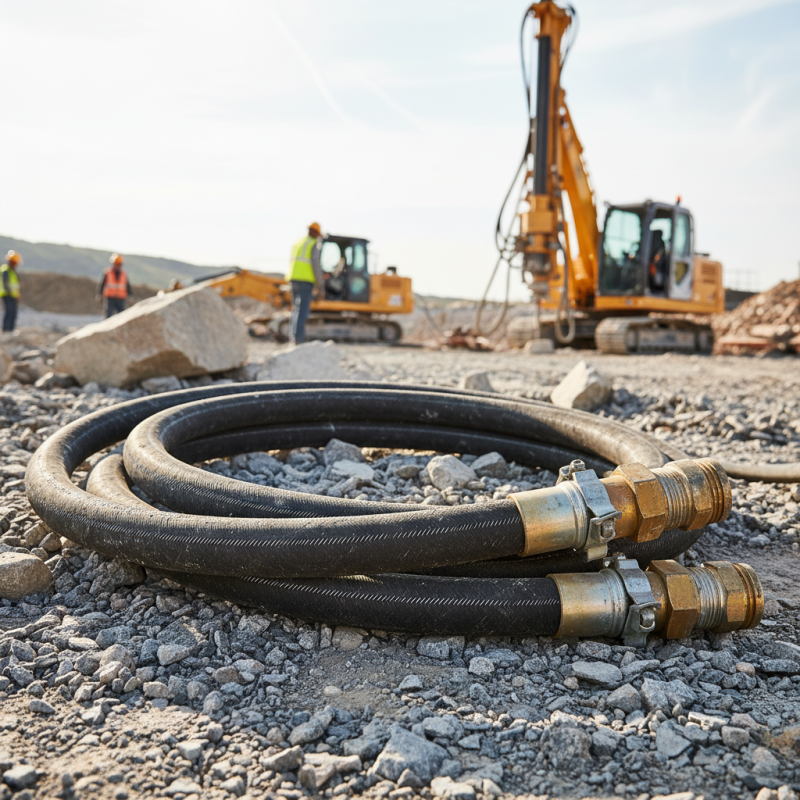
When choosing a Rock Drill Air Hose, it's essential to understand your needs. The right hose can enhance performance, safety, and efficiency on job sites. However, many users overlook specific features. This oversight can lead to issues that compromise productivity.
Consider the materials used in the construction of the Rock Drill Air Hose. Quality materials ensure durability and resistance to wear and tear. Some hoses claim to be lightweight, yet they might lack strength. These choices influence usability in the field.
Not all hoses are created equal. Each project has unique demands. Understanding those needs can be daunting. Evaluating factors like length, diameter, and fittings is crucial. Some hoses may not fit standard equipment. Ensure compatibility to avoid unnecessary frustrations during work. Reflect on your choices and their impact on your projects.
Key Features of Top Rock Drill Air Hoses
When selecting the best rock drill air hoses, prioritize material quality. Durable materials withstand harsh conditions. Look for hoses made from rubber or reinforced materials. These options provide longevity and flexibility, making work easier.
The diameter of the hose matters too. A larger diameter allows for higher air flow, improving efficiency. Consider your drill's requirements. Too narrow a hose can lead to power loss. Also, think about the hose length. It should be long enough to reach your work area without excessive slack.
Pay attention to the connection fittings. They should suit your air compressor and drill perfectly. Leaks can occur if they don’t match well. It’s frustrating to deal with air supply issues mid-task. Regularly inspect the hose for wear or damage. Even minor cracks can eventually cause problems. Checking before heavy use is a wise move.
Material Considerations for Durability and Flexibility
When selecting a rock drill air hose, material is crucial. A durable hose resists wear and tear from rugged environments. Common materials include rubber and thermoplastic. Rubber hoses are often sturdy and flexible, but they can be heavy. Thermoplastic options are lighter but may lack the same durability. Understanding these differences is key.
Flexibility also matters. A rigid hose can be difficult to maneuver. It might kink or twist, causing problems. You should consider the hose’s temperature resistance, especially in extreme conditions. Some materials perform better in heat, while others are suitable for cold. Always evaluate how the hose will be used. If your job requires frequent bending, choose materials that offer the best flexibility.
You may encounter challenges with different materials. Sometimes, a heavy hose may not perform well under certain drilling conditions. While a lighter hose is easy to handle, it might wear out quickly. Finding the right balance of durability and flexibility can be a trial and error process. Keep these factors in mind to make an informed choice.
2026 Best Rock Drill Air Hose Material Considerations
This chart displays the flexibility and durability ratings of various materials used in rock drill air hoses. The data is based on professional testing and assessments.
Pressure Ratings and Performance Standards
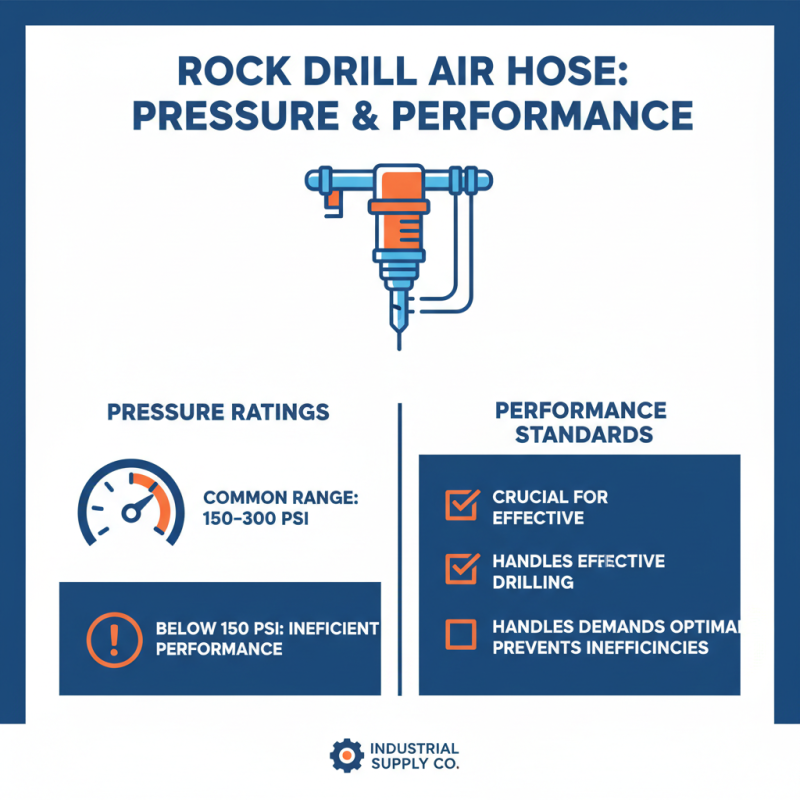
When choosing a rock drill air hose, pressure ratings and performance standards are crucial. The most common pressure rating for air hoses typically ranges from 150 to 300 PSI. This range ensures they can handle the demands of rock drilling effectively. A hose rated below this may not perform optimally, leading to inefficiencies.
Industry reports suggest that a high-quality air hose should meet specific performance standards. The American National Standards Institute (ANSI) provides guidelines for air delivery and burst pressure. However, not all hoses meet these standards, leading to critical failures in the field. A hose that fails under pressure can cause safety hazards and costly downtime.
The construction and mining sectors have reported issues with lower-grade hoses failing at only 70% of their rated pressure. This data highlights the importance of rigorous testing and adherence to performance standards. Notably, certain environmental factors can affect hose performance. For instance, extreme temperatures may degrade materials faster. Therefore, it's essential to consider these factors when selecting a hose for rock drilling applications.
Compatibility with Various Rock Drill Models
When selecting the best rock drill air hose, compatibility with various rock drill models is crucial. Many rock drill models operate under different pressure requirements and connection types. A mismatch can lead to equipment failure, reducing operational efficiency. According to industry reports, over 30% of downtime in drilling operations can be attributed to incompatible components.
It’s essential to check the specifications of both the hose and the rock drill. Look for hoses that can withstand high pressures and have appropriate fittings. Ensure that you understand the required diameter and length for your specific drill. These details might seem minor but can drastically affect performance.
Tip: Always consult the technical data sheets. They provide insights about compatibility ratings. Additionally, consider hoses made from durable materials. They tend to last longer, offering better cost-effectiveness over time.
Before making a purchase, assess your drilling environment. A rock drill in a rugged terrain may need a more robust hose. Not all hoses function well under harsh conditions. Real-world testing might be necessary to verify performance in your specific applications. This step ensures reliability in critical situations.
2026 Best Rock Drill Air Hose What to Look For? - Compatibility with Various Rock Drill Models
| Hose Diameter (inches) |
Maximum Pressure (PSI) |
Material |
Temperature Range (°F) |
Compatible Drill Models |
| 3/8 |
300 |
Rubber |
-20 to 150 |
Model A, Model B |
| 1/2 |
400 |
PVC |
-5 to 140 |
Model C, Model D |
| 5/8 |
500 |
Polyurethane |
0 to 160 |
Model E, Model F |
| 3/4 |
600 |
Rubber |
-20 to 150 |
Model G, Model H |
Maintenance Tips for Prolonging Air Hose Lifespan
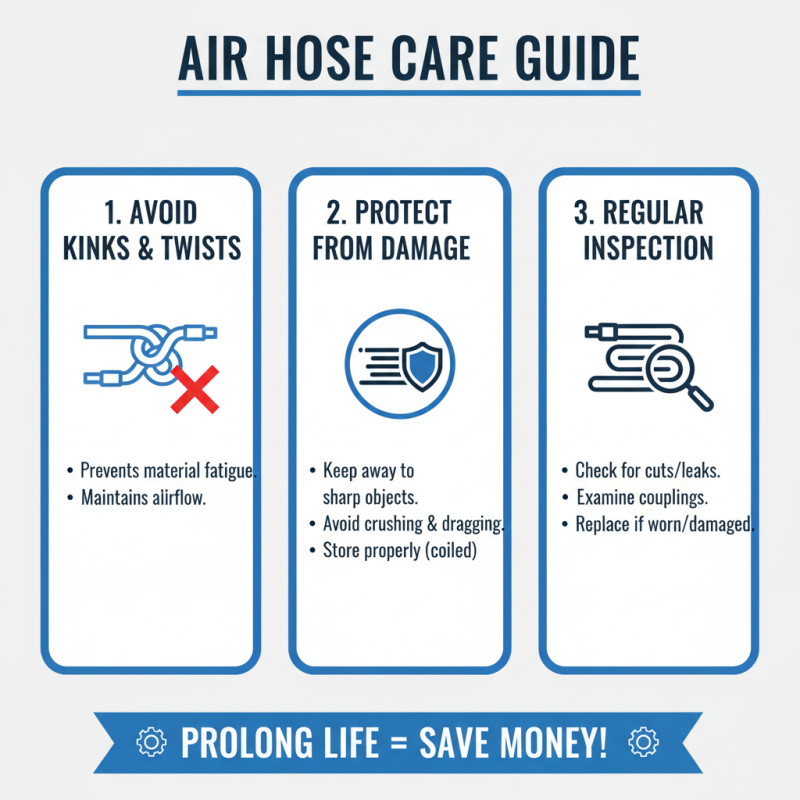
Maintaining your air hose is crucial for prolonging its lifespan. Proper care ensures efficient performance and reduces costs. Consider the following tips to keep your air hose in top shape.
Regularly inspect your air hose for signs of wear. Look for cracks, kinks, or leaks. These can lead to reduced airflow or even dangerous accidents. Each time you use the hose, take a moment to check its condition. Address any issues immediately to avoid further damage.
Storing your air hose properly makes a big difference. Hang it on a wall reel or coil it loosely when not in use. Avoid storing it in direct sunlight or extreme temperatures. Such conditions can degrade the hose material over time. Keep your workspace clean to minimize debris that can damage the hose.
Lastly, use the right pressure levels. Over-pressurizing can lead to premature wear. Be aware of the specifications your hose can handle. It’s easy to overlook this detail, but it’s vital for the longevity of your equipment. Regular maintenance will save you time and money in the long run.