• Longtop Mining, Professional Mining Equipment Supplier
  • Longtop Mining, Professional Mining Equipment Supplier
  • Longtop Mining, Professional Mining Equipment Supplier

2026 Top Jack Hammer Manual Buying Guide for Global Buyers

Choosing a Jack Hammer Manual for international projects requires more than comparing impact energy and price. Global buyers must connect tool performance with rock type, concrete thickness, working hours, operator strength, and available air or electrical supply. A breaker that performs well on a city renovation may struggle on a quarry floor. Sometimes, the brochure hides that difference.

Michael R. Pullen, a veteran construction-tool service trainer, states, “The right breaker follows the material, not the noise it makes.” This practical view supports a careful buying process. A reliable Jack Hammer Manual should explain impact frequency, shank dimensions, vibration control, lubrication points, and compatible compressors. It should also identify realistic productivity, not only maximum laboratory figures. Look for clear maintenance intervals. Look for parts support, too.

This 2026 buying guide helps global buyers assess manual jack hammers with greater confidence. It examines pneumatic, electric, and hydraulic options through daily operating conditions. It considers supplier documentation, warranty clarity, safety instructions, and long-term service access. Regional voltage, plug design, customs paperwork, and language quality also deserve attention. Small details become expensive problems when a tool is thousands of miles away.

No guide removes every uncertainty. Operators still need training and site-specific judgment. Some product claims may require independent verification. Buyers should request test data, noise values, vibration measurements, and spare-parts availability before ordering. A strong decision is not always the cheapest one. It is the choice that remains dependable after repeated blows, dusty shifts, and imperfect working conditions.

2026 Top Jack Hammer Manual Buying Guide for Global Buyers

Jack Hammer Basics: Types, Uses, and Core Operating Principles

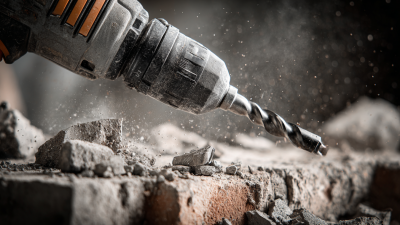
A jack hammer is a handheld impact tool designed to break concrete, masonry, asphalt, and compacted surfaces. Its core action is simple: a motor drives a piston, the piston strikes an internal bit, and repeated impacts transfer force into the material. Pneumatic models use compressed air, electric models use a motor, and hydraulic models rely on pressurized fluid. Each type suits different work conditions.

Pneumatic hammers are common on demolition sites because they tolerate demanding use and offer strong impact energy. They also need an air compressor, hoses, and careful moisture control. Electric models are easier to start and transport, making them practical for renovation tasks and lighter concrete work. Hydraulic units provide high power for excavators and specialist equipment. Match the tool.

Before buying, check impact energy, blows per minute, tool weight, shank size, vibration control, and replacement-bit availability. A heavier hammer is not automatically better. It may reduce control and increase operator fatigue during wall or floor work. A narrow chisel suits trenching and precise breaking, while a blunt tool helps loosen dense material. Start gently. Let the impact mechanism work instead of forcing the handle downward.

Real job conditions often expose weaknesses that catalogs overlook. Dust, uneven flooring, limited power supply, and long operating periods can change the best choice. Noise and vibration also deserve practical attention, not just technical comparison. A common mistake is selecting maximum power for occasional repairs. That decision can waste energy and make accurate work harder. Check the manual’s duty cycle, maintenance points, and recommended protective equipment before purchase.

How to Match Jack Hammer Power with Different Worksite Materials

2026 Top Jack Hammer Manual Buying Guide for Global Buyers

Matching jack hammer power to the material prevents slow cutting, tool damage, and unnecessary vibration. Impact energy matters more than motor wattage alone. For brick, tile, and soft block, a light 5–12 joule hammer usually offers better control. It reduces edge breakage around windows and wall corners. Small jobs need precision.

Medium concrete often requires 15–30 joules, especially around slabs, curbs, and old foundations. Dense reinforced concrete may need over 30 joules, but higher power is not always faster. Rebar can absorb impact energy and create heat. A narrow chisel may penetrate better than a larger point. Experienced operators test a small area first.

Material hardness varies, even within one slab. That makes any buying chart imperfect. The HSE’s Hand-arm Vibration guidance sets an exposure action value at 2.5 m/s² A(8) and a limit value at 5 m/s² A(8). Choose the lowest practical impact class, then track trigger time.

NIOSH engineering guidance also supports lower-vibration tools, maintenance, and shorter exposure periods. A 2024 equipment survey by the U.S. Bureau of Labor Statistics recorded construction and extraction work among occupations with substantial hand-tool exposure, so operator comfort deserves serious attention. Check bit shape, duty cycle, service access, and actual material samples before ordering globally. Datasheets can mislead. Field conditions decide.

Key Buying Factors: Impact Energy, Weight, Air Supply, and Durability

2026 Top Jack Hammer Manual Buying Guide for Global Buyers

Impact energy should match the material, not impress your spreadsheet. A 90-joule breaker may crush concrete quickly, but it can punish the operator’s wrists. Compare joules measured under the same test method, preferably ISO 28927-10 procedures.

For light masonry, excessive energy can cause chipping, poor control, and unnecessary tool wear. A higher number is not automatically better. Field experience suggests that balanced impact and manageable weight often improve daily output.

Weight becomes critical after several hours on uneven ground. A compact 15-kilogram model is easier to reposition, while heavier units may deliver stronger blows. Check the grip layout, center of gravity, and trigger response with gloves.

European exposure guidance sets an action value of 2.5 m/s² and a limit value of 5 m/s² for daily hand-arm vibration exposure, under Directive 2002/44/EC. Real exposure depends on material, pressure, and operator technique.

Air supply is frequently underestimated. The U.S. Department of Energy’s Improving Compressed Air System Performance sourcebook reports that compressed air can consume 10–30% of industrial electricity. Match the hammer’s air demand with the compressor’s delivered flow, not its advertised tank size.

Inspect hose diameter, couplers, filters, and pressure loss. Durability depends on more than hardened steel. Dust seals, replaceable bushings, lubrication access, and service records matter.

I would question any “maintenance-free” claim. Dust always finds a weakness.

Safety, Maintenance, and Ergonomic Features for Global Buyers

A safe manual jack hammer starts with the operator, not the motor. Global buyers should check the manual’s language, diagrams, and emergency instructions before purchase. Clear guidance matters when crews work across different training systems. Wear impact-rated eye protection, hearing protection, gloves, safety boots, and a properly fitted helmet. Keep both hands on the tool. Never point the bit toward people.

Vibration control deserves close attention. Look for insulated handles, balanced housing, and a trigger that does not require constant force. These features can reduce fatigue during concrete or masonry work. However, no handle removes all vibration. Plan short work cycles, rotate operators, and record discomfort early. A quiet machine may still transmit harmful vibration. That detail is easy to miss.

Maintenance should be practical in dusty conditions. Inspect the power cable, plug, retaining spring, bit, and housing before each shift. Clean blocked air vents with an approved method, then apply lubricant according to the manual. Excess grease can attract abrasive dust. Store the hammer dry, with the bit removed when suitable. Buyers should also confirm spare-part availability and service support in their region. A translated manual is useful, but poor translation can create risk. Compare diagrams with the original technical terms, and ask the supplier to clarify anything uncertain before operation.

2026 Top Jack Hammer Manual Buying Guide for Global Buyers - Safety, Maintenance, and Ergonomic Features for Global Buyers

This comparison uses typical specifications for professional manual pneumatic jack hammers. Actual performance varies by tool design, operating pressure, material, bit type, and local regulations. Always confirm the technical data sheet before purchase.
Buying Dimension Typical Data or Requirement What Global Buyers Should Check Practical Selection Guidance
1. Core Performance and Compatibility
Tool Type Pneumatic manual jack hammer operated by compressed air Confirm that the tool is designed for the available compressor, hose, couplings, and work environment. Choose pneumatic models for demolition, road maintenance, quarrying, and concrete or asphalt breaking where compressed air is available.
Net Tool Weight Approximately 15–30 kg for common medium-duty manual models Check whether the stated weight includes the retainer, hose connection, and working tool. Use lighter models for overhead or intermittent work; select heavier models for hard ground and prolonged horizontal breaking.
Impact Frequency Typically about 1,000–2,000 blows per minute Higher frequency does not automatically mean higher productivity; compare impact energy, stroke, and material removal rate. Higher blow frequency can suit concrete, masonry, and asphalt when combined with an appropriately shaped bit.
Air Consumption Commonly about 1.0–2.0 m³/min at the tool, equivalent to approximately 35–71 cfm Verify whether the figure is measured at the stated operating pressure and whether it represents average or maximum consumption. Select a compressor with reserve capacity; a practical allowance of about 20–30% above tool demand helps reduce pressure drop.
Operating Pressure Usually around 5.5–7 bar (80–100 psi), depending on the tool design Match the tool to the compressor regulator, hose length, couplings, and site pressure. Do not exceed the manufacturer’s maximum pressure. Excess pressure can increase wear, noise, and safety risk.
Shank and Bit Standard Common shank sizes include 22 × 82.5 mm and 25 × 108 mm; other sizes are also used Confirm shank diameter, length, retainer style, collar geometry, and compatibility with locally available bits. Choose a widely available shank standard in the destination market to simplify replacement and reduce downtime.
Working Tools Point, chisel, moil point, asphalt cutter, clay spade, and tamper attachments Check whether bits are included, heat-treated, correctly sized, and suitable for the intended substrate. Use a point for initial penetration, a chisel for controlled splitting, and an asphalt cutter for road-surface work.
2. Safety Features and Operator Protection
Trigger or Valve Control Integrated throttle, trigger, or hand-operated valve Controls should be easy to operate while wearing gloves and should resist accidental activation. Prefer a control layout that allows gradual start-up and quick shutoff without removing the hands from the handles.
Retainer Safety Spring, latch, or locking retainer designed to prevent bit ejection Inspect the retainer for positive locking, correct fit, and simple tool-free bit changes where possible. Never operate the hammer without the correct retainer installed and fully secured.
Air-Line Safety Whip-check cable, safety coupling, shutoff valve, and properly rated hose Hose and couplings must be rated for the operating pressure and protected from cuts, crushing, and vehicle traffic. Use a whip-check at hose connections and depressurize the line before changing accessories or servicing the tool.
Noise Protection Many pneumatic jack hammers produce sound levels above 100 dB(A) at the operator position Request measured sound data, test conditions, and declared uncertainty; local occupational exposure limits may differ. Use hearing protection, limit exposure time, and consider muffled or silenced designs for urban and enclosed work sites.
Hand-Arm Vibration Vibration can be several metres per second squared and may become significant during extended use Compare declared vibration emission values and determine daily exposure using the tool’s actual operating time. Choose low-vibration designs, rotate tasks, maintain sharp bits, and follow applicable hand-arm vibration requirements.
Personal Protective Equipment Eye protection, hearing protection, protective footwear, gloves, hard hat, and suitable work clothing PPE requirements depend on flying debris, dust, noise, vibration, falling materials, and local regulations. For concrete or masonry, add suitable respiratory protection and dust-control measures based on the material and risk assessment.
Dust and Debris Control Water suppression, local extraction, or suitable respiratory protection may be required Dry cutting or breaking can generate respirable crystalline silica when concrete, mortar, or stone is disturbed. Use wet methods or on-tool extraction where appropriate, and keep bystanders outside the debris zone.
3. Ergonomics and Operator Comfort
Handle Design Two-hand handles or D-type handles with impact-absorbing elements Check grip diameter, surface texture, handle clearance, and suitability for gloved operation. Choose symmetrical, well-balanced handles that reduce wrist bending and maintain control during rebound.
Anti-Vibration System Spring-mounted, isolated, or damped handles on selected models Look for a declared vibration value rather than relying only on terms such as “low vibration.” Prioritize vibration reduction for contractors performing frequent breaking or long shifts.
Balance and Center of Gravity Balanced body layout with the air inlet positioned to minimize hose interference Assess the tool with the intended bit and hose attached; catalog balance alone may be misleading. Good balance reduces operator fatigue and helps maintain a perpendicular angle to the work surface.
Weight Distribution Front-heavy tools can increase wrist and shoulder loading Consider the required working height, breaking angle, and frequency of repositioning. For wall or overhead work, use a lighter, better-balanced tool rather than selecting solely by impact power.
Hose Routing Rear or angled air inlet with swivel connection on some designs Check whether the hose exits away from the operator and whether a swivel prevents twisting. Use the shortest practical hose that maintains safe movement and avoids sharp bends or trip hazards.
4. Maintenance and Serviceability
Lubrication Continuous in-line oiling or manual lubrication, depending on the design Confirm the recommended pneumatic-tool oil, oil rate, lubrication point, and compatibility with the air system. Install a properly adjusted in-line lubricator when permitted, and avoid automotive or unsuitable oils.
Air Filtration Clean, dry compressed air with a suitable filter and water separator Water, rust, and pipe scale can damage internal parts and reduce impact performance. Drain the receiver and filter regularly, especially in humid climates or when using long air lines.
Daily Inspection Check retainer, bit, handles, hose, couplings, throttle, bolts, and air leaks Inspection should be possible without special equipment and should be documented for fleet use. Remove damaged bits, cracked retainers, leaking hoses, or loose components from service immediately.
Wear Parts Typical parts include piston, cylinder, valve, springs, bushings, retainers, seals, and bits Confirm availability, interchangeability, service instructions, and expected lead times in the destination market. Select a design with accessible wear parts and clear exploded diagrams for local maintenance teams.
Storage Clean, lubricated, dry, and protected from dust and corrosion Check whether the tool requires oiling before storage and whether the air inlet should be capped. Remove the bit, wipe the body, add the specified preservative oil if required, and store in a dry location.
5. Global Purchasing and Compliance Checks
Technical Documentation Manual, parts diagram, operating limits, maintenance schedule, and safety instructions Documentation should be available in a language understood by operators and service personnel. Require consistent units, including bar or psi, m³/min or cfm, kilograms, millimetres, and dB(A).
Applicable Standards Relevant machinery, noise, vibration, workplace safety, and compressed-air requirements Requirements vary by destination, application, and whether the tool is sold as professional equipment. Ask for the applicable declaration, test information, and user instructions rather than relying on an unverified logo.
Climate and Site Conditions Performance can be affected by humidity, dust, temperature, altitude, and compressor condition Confirm operating and storage temperature limits and corrosion protection for coastal or tropical locations. For dusty sites, prioritize filtration and sealing; for humid sites, emphasize water separation and corrosion control.
Warranty and Service Coverage terms vary; wear parts are often treated differently from manufacturing defects Review warranty duration, exclusions, claim procedure, service location, and spare-parts availability. For large fleets, obtain a preventive-maintenance kit and operator training materials with the initial order.
Recommended Pre-Purchase Test Test the tool with the intended compressor, hose, bit, and representative material Measure productivity, pressure at the tool, air consumption, noise, vibration, and operator fatigue. Approve the model only after confirming that field performance matches the project’s safety and output requirements.
Buyer’s final checklist: Confirm air capacity and pressure, shank compatibility, impact performance, vibration and noise data, retainer safety, hose and coupling ratings, lubrication requirements, replacement-part availability, technical documentation, and compliance with the destination market’s occupational safety rules.

Comparing Suppliers, Standards, Costs, and Total Ownership Value

2026 Top Jack Hammer Manual Buying Guide for Global Buyers

A reliable jack hammer starts with the supplier, not the catalog price. Request factory test records, material specifications, spare-parts lists, and service response times. Experienced buyers also inspect assembly quality, cable protection, chuck wear, and trigger performance. Ask for production samples before placing a large order. Photographs are not enough.

Standards should match the destination market. Confirm applicable electrical safety, noise, vibration, and machinery requirements. Check voltage, frequency, plug type, grounding, and language requirements for manuals. A supplier with traceable quality controls is easier to audit. Still, paperwork can hide weak field performance. Test the tool on concrete of similar hardness, if possible.

Purchase cost is only the opening figure. Add freight, duties, bits, lubricants, filters, repairs, downtime, and operator training. A cheaper hammer may consume more parts after six months. Compare impact energy, weight, vibration levels, service intervals, and expected working hours. Calculate cost per productive hour, not cost per unit. Keep critical wear parts locally when downtime is expensive. This is often overlooked. A simple ownership worksheet can expose surprising differences between suppliers. My own buying reviews have shown that the lowest quote rarely remains lowest after transport and maintenance. Recheck every assumption.

WhatsApp Online Chat !