What is an Anti-Explosive Lamp and How Does it Work?
In industries such as oil and gas, safety is paramount. The use of an Anti-Explosive Lamp has become critical in hazardous environments. According to a recent report by the International Safety Organization, approximately 5,000 industrial incidents occur annually due to explosive gases. These lamps are specifically designed to prevent ignition in areas with flammable materials.
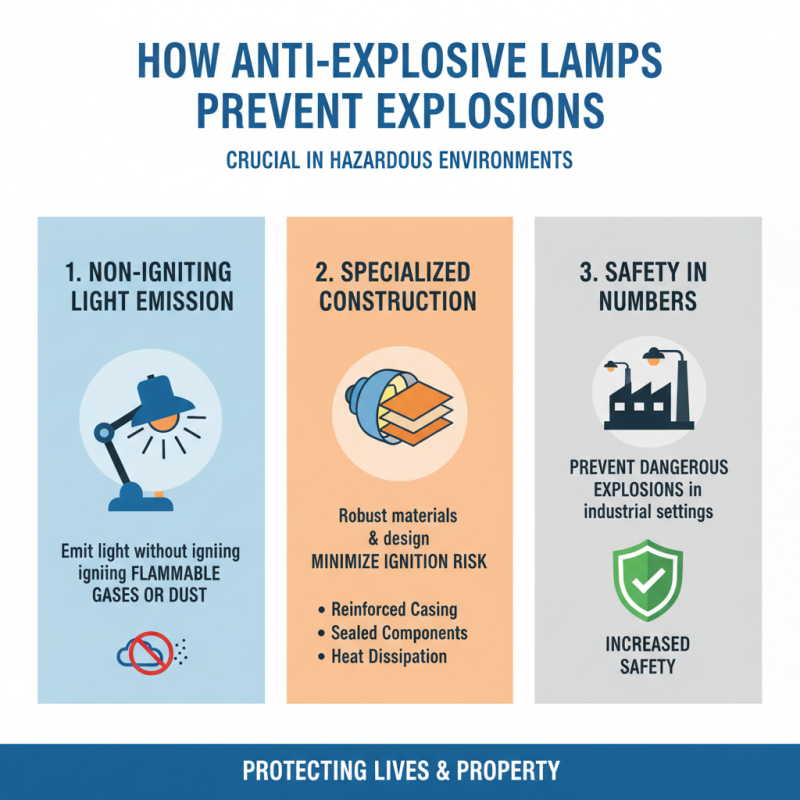
An Anti-Explosive Lamp operates by containing any sparks or heat generated within a secure enclosure. This ensures that volatile substances remain undisturbed, significantly reducing the risk of explosions. The effectiveness of these lamps has been validated through various studies, showing a reduction in accidents by up to 50% when implemented properly.
However, relying solely on technology is not enough. Regular maintenance and proper training for personnel are equally important. Some companies still neglect these aspects, leading to potential hazards. Understanding the limitations of Anti-Explosive Lamps is crucial. While they enhance safety, they are not foolproof solutions. Constant vigilance remains necessary in hazardous environments.

What is an Anti-Explosive Lamp?
An anti-explosive lamp is designed to operate safely in hazardous environments. These lamps prevent ignition of flammable gases and dust in various industries. Commonly used in oil and gas extraction, mining, and chemical manufacturing, they play a critical role in occupational safety.
The construction of an anti-explosive lamp includes robust materials such as tempered glass and specialized enclosures. According to a 2022 report from the International Safety Equipment Association, improper lighting is a significant cause of workplace incidents, accounting for over 20% of reported accidents. These lamps must meet strict industry standards for pressure and temperature to ensure their reliability in dangerous settings.
Despite advancements, challenges remain. Not all anti-explosive lamps are equally effective. Some may not withstand the conditions they were designed for, leading to potential hazards. Continuous evaluation of lighting technologies is crucial to enhance safety measures. Additionally, while manufacturers provide certifications, users should assess the environment carefully before relying on these products fully. Investing in testing and regular maintenance can help improve safety and functionality over time.
History and Development of Anti-Explosive Lamps
The evolution of anti-explosive lamps is rooted in the need for safety in hazardous environments. Historically, they emerged during the Industrial Revolution when oil lamps were the primary source of light. These lamps posed significant risks in areas with flammable gases. In response, engineers developed enclosures made of heavy glass or metal to contain potential explosions, marking a key innovation.
By the late 20th century, advancements in materials transformed anti-explosive technology. According to a report from a global safety organization, the effectiveness of these lamps has increased by over 40% due to improved design and materials. Nowadays, anti-explosive lamps are commonly used in oil drilling, mining, and chemical plants. Their certification has become stringent, ensuring minimal risk even in volatile conditions.
Tips: When using anti-explosive lamps, always check for certifications. Ensure that the environment is suitable for the type of lamp in use. Regular maintenance is crucial; a small issue can lead to significant hazards.
Usage of Anti-Explosive Lamps Over the Years
The chart illustrates the increase in the usage percentage of anti-explosive lamps in various industries from the 1920s to the 2020s, showcasing the technology's advancement and adaptation in response to safety regulations and operational needs.
Key Components and Technology Behind Anti-Explosive Lamps
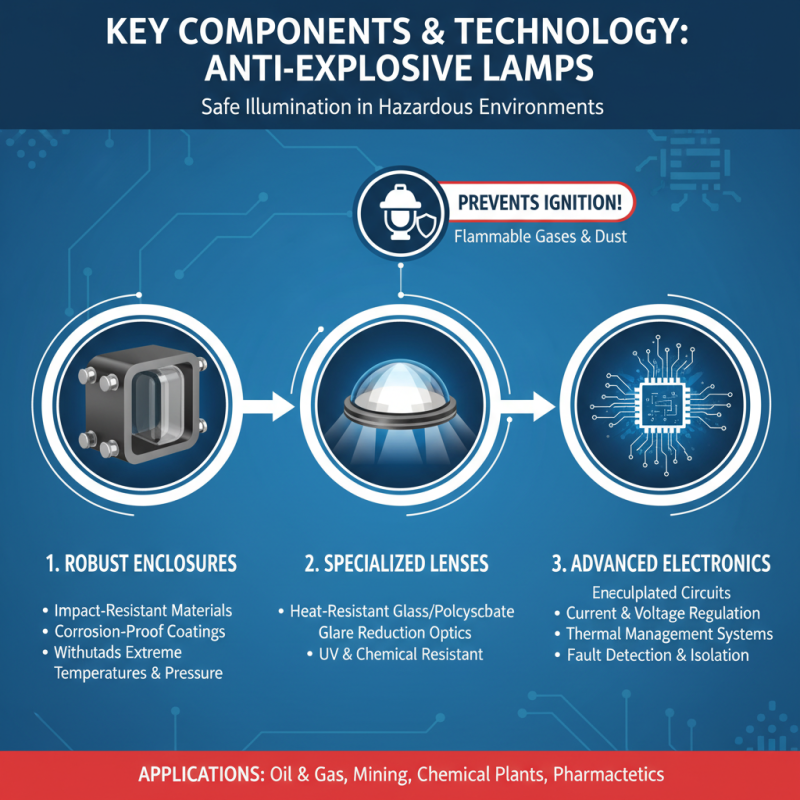
Anti-explosive lamps are crucial in hazardous environments, providing safe illumination where flammable gases or dust are present. Their primary function is to prevent any risk of ignition. The key components of these lamps include robust enclosures, specialized lenses, and advanced electronic circuits. The sturdy construction can withstand impact and extreme temperatures, ensuring reliability in adverse conditions.
The technology behind anti-explosive lamps employs a combination of heat management and pressure control. For instance, the enclosure is often sealed to keep internal components safe from external elements. Lenses are designed to minimize heat, reducing the risk of triggering an explosion. Additionally, modern anti-explosive lamps use LEDs, which generate less heat compared to traditional light sources. This shift enhances safety while maintaining efficiency.
Building these lamps requires expertise and strict adherence to safety standards. Engineers often face challenges in balancing performance with safety regulations. Each component must be meticulously designed and tested to ensure reliability. The continual evolution of technology also invites reflection on existing designs; improvements are always necessary. Exploring innovation while maintaining safety is an ongoing journey in this field.
Applications and Use Cases of Anti-Explosive Lamps
Anti-explosive lamps are essential in hazardous environments. These areas often contain flammable gases and dust. Such lamps provide safe lighting without igniting these materials. They utilize specialized designs and materials. This prevents sparks and high heat levels. You will find them in industries like oil and gas, mining, and chemical manufacturing.
In the oil and gas sector, workers need reliable light sources. Anti-explosive lamps are crucial during drilling and refining processes. They ensure safety while maintaining visibility in dark conditions. Similarly, in mining, these lamps support tasks below ground where flammable materials are common. The use of these lamps can significantly reduce accidents. When considering use, always inspect lamps regularly for damages.
Tips: Check the lamp's rating to ensure it meets safety standards. Use these lamps consistently in all potentially dangerous spots. Training workers on proper handling is vital. Always prioritize workplace safety.
What is an Anti-Explosive Lamp and How Does it Work? - Applications and Use Cases of Anti-Explosive Lamps
| Application Area |
Typical Environments |
Technology Used |
Safety Standards |
Key Features |
| Oil & Gas Industry |
Refineries, Off-shore Platforms |
LED, Explosion-proof materials |
ATEX, IECEx |
Durable, Shock-resistant |
| Chemical Plants |
Storage Areas, Mixing Stations |
Fluorescent, Sealed enclosures |
Class I Division 1, Zone 0 |
High luminance, Remote control |
| Mining |
Underground Tunnels, Drilling Sites |
Battery-operated, LED |
MSHA approval |
Portable, Waterproof |
| Pharmaceutical Industry |
Production Facilities, Labs |
Incandescent, Low heat generation |
ISO 9001 |
Easy to clean, Low maintenance |
| Food Industry |
Processing Plants, Storage Units |
Hygienic design, LED |
HACCP compliant |
Corrosion-resistant, Energy-efficient |