2026 Best Hydraulic Drill Rigs for Global Procurement Solutions?
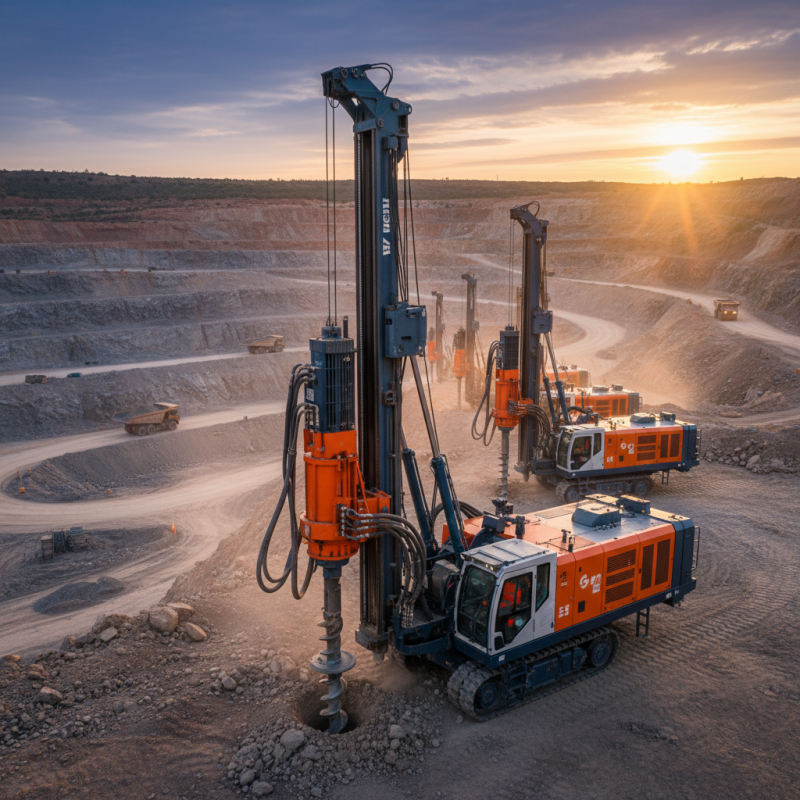
In the rapidly evolving construction and mining sectors, selecting the right equipment is vital. Hydraulic Drill Rigs emerge as a crucial tool for efficient drilling operations, offering versatility and power. These rigs are designed to tackle various terrains and soil types, making them indispensable in global procurement solutions.
However, not all Hydraulic Drill Rigs are created equal. Factors such as performance, durability, and cost-effectiveness must be thoroughly evaluated. A good rig can enhance productivity significantly, but a poor choice can lead to operational delays and increased expenses. It’s essential to reflect on the specific needs of your projects and seek expert guidance to make informed decisions.
With 2026 on the horizon, understanding the latest advancements in Hydraulic Drill Rigs is imperative. The right rig can transform your projects, driving success in an ever-competitive market. This article will explore the best available options while emphasizing the importance of aligning equipment choice with project requirements.
Overview of Hydraulic Drill Rigs in Global Procurement Markets
Hydraulic drill rigs play a crucial role in global procurement markets. These machines facilitate various applications including mining, construction, and geothermal energy development. According to industry reports, the global hydraulic drill rig market is expected to grow at a CAGR of 4.5% from 2021 to 2026. This growth is driven by increasing infrastructure projects and the need for efficient resource extraction.
When selecting a hydraulic drill rig, focus on factors like depth capacity and mobility. Machines that can easily adapt to different terrains are preferred. Reports indicate that rigs with advanced automation systems enhance efficiency and reduce operational costs. Many procurement specialists recognize the importance of versatility in drill rigs.
Tip: Always assess the operational efficiency of drill rigs in real projects. It's important to track their performance and identify areas for improvement. Sometimes, advancements advertised may not translate into tangible benefits in all scenarios. Assessing user feedback can provide valuable insights into real-world performance. Consider this reflection when making procurement decisions; sometimes the newest technology isn't the best fit for a specific project.
2026 Best Hydraulic Drill Rigs for Global Procurement Solutions
| Drill Rig Model |
Drilling Depth (m) |
Weight (tons) |
Max Torque (Nm) |
Price Range (USD) |
Key Features |
| Model A100 |
200 |
22 |
15000 |
$100,000 - $120,000 |
Compact design, high efficiency |
| Model B200 |
250 |
25 |
18000 |
$130,000 - $150,000 |
Advanced safety features, high power |
| Model C300 |
300 |
30 |
22000 |
$200,000 - $220,000 |
Robust construction, versatile applications |
| Model D400 |
350 |
35 |
30000 |
$250,000 - $270,000 |
High performance, easy maintenance |
| Model E500 |
400 |
40 |
35000 |
$300,000 - $320,000 |
State-of-the-art technology, fuel-efficient |
Key Specifications and Metrics for Evaluating Drill Rig Performance
When evaluating the performance of hydraulic drill rigs, several key specifications must be considered. These metrics directly impact efficiency and effectiveness. Key factors include drilling capacity, power output, and mobility. A high drilling capacity means the rig can penetrate deeper layers more quickly. It is essential to assess how the rig's design influences its overall performance.
Tips: Always compare specifications against job requirements. A higher cost may not guarantee better performance.
Another important aspect is the rig's operational versatility. Can it adapt to different terrains? Machines designed for rugged conditions often exhibit superior reliability. Moreover, check the hydraulic systems and maintenance needs. Complex systems may require more expertise to operate effectively.
Tips: Look for user-friendly designs to reduce training time and costs.
Finally, consider the environmental impact. As the industry shifts towards sustainability, manufacturers are developing greener technologies. Future rigs may need to comply with stricter regulations. Reflecting on these aspects can guide better procurement decisions, ensuring long-term operational success.
Top Manufacturers of Hydraulic Drill Rigs and Market Shares (2026)
The global market for hydraulic drill rigs is rapidly changing. The demand for advanced, efficient drilling solutions continues to grow across various sectors. Currently, the market is dominated by a few key players. According to recent industry reports, these manufacturers hold a significant portion of the market share, collectively accounting for over 60% of global sales.
In the latest analysis, it has been observed that certain manufacturers have improved their market presence through innovation and customer service. For instance, companies are investing heavily in research and development to produce rigs that offer better performance and reduced environmental impact. This trend reflects a growing need for sustainability within the industry. However, challenges remain. Several manufacturers struggle to keep up with the fast-paced technological advancements.
Furthermore, smaller firms find it hard to compete against established companies with extensive resources. Market research shows that these smaller players constitute about 30% of the market but often lack brand recognition. This disparity highlights areas where improvements are necessary. Companies need to focus on differentiating their offerings to survive in this competitive landscape.
Emerging Technologies in Hydraulic Drill Rigs: Trends and Innovations
Hydraulic drill rigs are evolving rapidly. Emerging technologies are transforming how these machines operate. Automation is becoming more common, enhancing efficiency and precision. Operators can now monitor drilling in real-time, minimizing human error. This shift is not without challenges. Training personnel to operate advanced systems effectively remains essential.
Another critical trend is the push for sustainability within the industry. Innovations are focusing on reducing emissions and energy consumption. Tools like electric drills and hybrid systems are gaining traction. These machines not only benefit the environment but also reduce operational costs. However, the transition demands a reevaluation of current practices and potential hurdles in implementation.
Data analytics is also playing a pivotal role. By analyzing drilling data, operators can optimize performance and predict maintenance needs. Despite the advantages, the reliance on technology raises concerns about cybersecurity. Protecting sensitive operational data from threats is increasingly vital. Adaptation to these trends will require ongoing investment in both technology and training, creating a complex landscape for stakeholders.
2026 Best Hydraulic Drill Rigs Market Analysis
This bar chart illustrates the emerging trends in hydraulic drill rigs for 2026, focusing on key dimensions such as automation, energy efficiency, technological integration, load capacity, and overall market growth. Each category reflects the innovative advancements making significant impacts on the sector.
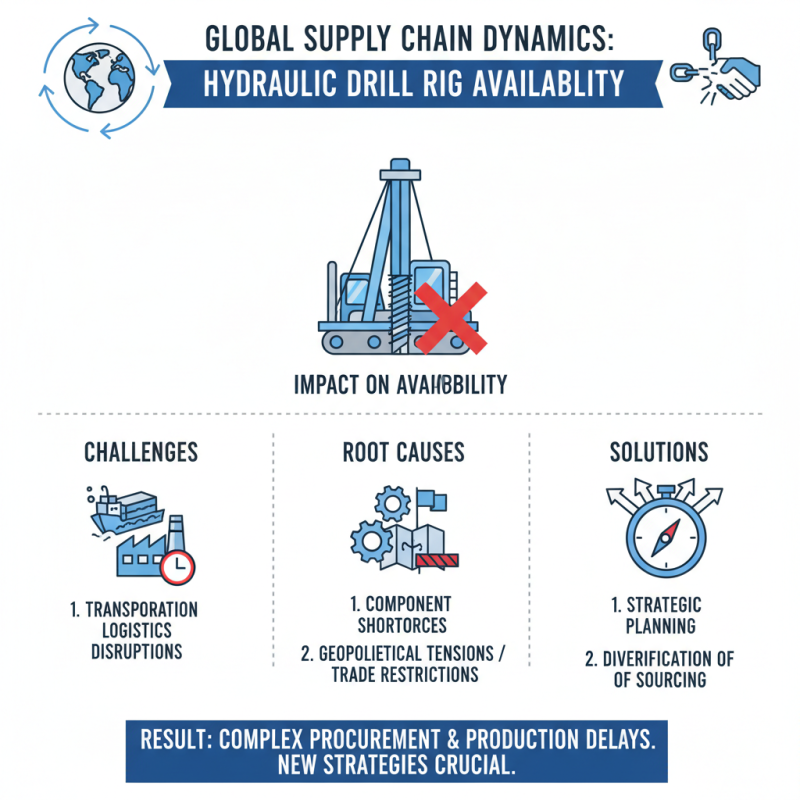
Global Supply Chain Dynamics Impacting Hydraulic Drill Rig Availability
In recent years, global supply chain dynamics have significantly influenced the availability of hydraulic drill rigs. The ongoing disruptions in transportation logistics and manufacturing delays have created challenges for procurement processes. Essential components often face shortages due to geopolitical tensions or trade restrictions, complicating production schedules for hydraulic drill rigs. This situation necessitates strategic planning and diversification of sourcing options.
Manufacturers and suppliers must adapt to these ever-changing conditions. Many companies are exploring local sourcing to reduce dependency on international suppliers. This approach not only mitigates risks but also can lead to faster turnaround times. However, local production may come with higher costs and limited capacity compared to established manufacturers abroad.
Additionally, skilled labor shortages are a growing concern. The hydraulic drilling industry requires specialized expertise, which can be hard to find. Companies must invest in training programs and collaborate with educational institutions to cultivate talent. Balancing these factors while maintaining competitive pricing presents a complex challenge. As the industry moves forward, flexibility and innovation will be critical in navigating supply chain uncertainties.