How to Choose the Best Anti-Explosive Lamp for Safety?
Choosing the right Anti-Explosive Lamp is crucial for ensuring safety in hazardous environments. Expert Dr. John Thompson, a leading authority in industrial safety, once stated, "The right lamp can mean the difference between life and death." This underscores the importance of careful selection.
In industries like oil and gas, Anti-Explosive Lamps are vital. They must meet specific safety standards to prevent accidents. A lamp that fails can lead to catastrophic outcomes. Workers rely on effective lighting to perform tasks safely.
However, not all lamps are equally safe. Some models may look reliable but have subpar features. It's essential to research and ask the right questions. Reflecting on safety means acknowledging that mistakes can happen. Prioritizing the best Anti-Explosive Lamp is a responsibility that should never be taken lightly.
Understanding the Importance of Anti-Explosive Lamps for Safety
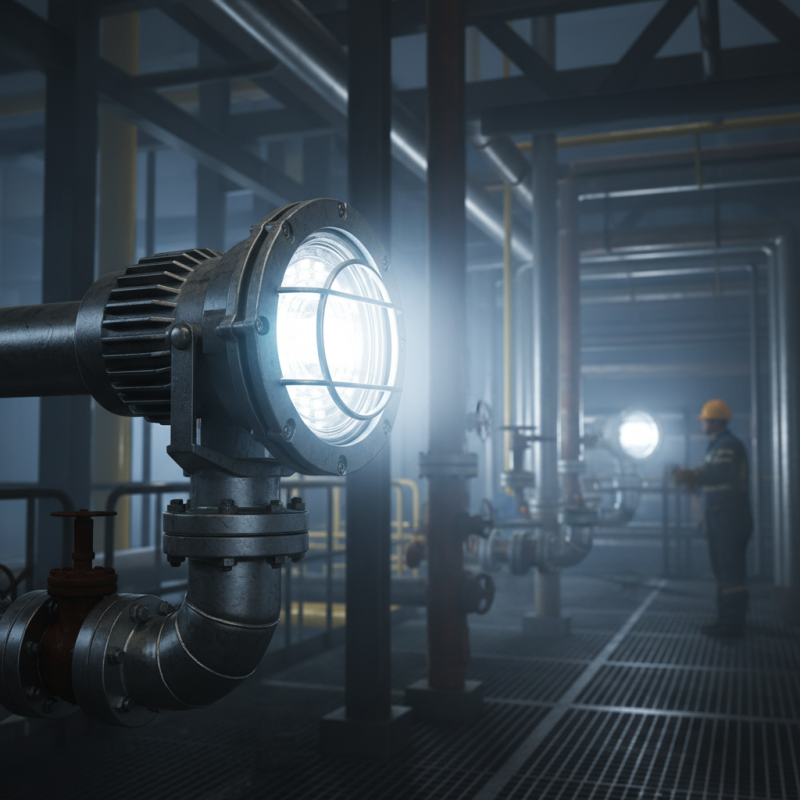
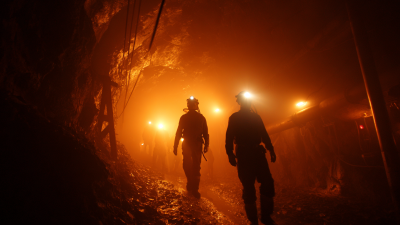
Anti-explosive lamps play a crucial role in enhancing safety in hazardous environments. They are designed to operate safely in areas where flammable gases or dust may be present. These lamps prevent ignition by containing any sparks within a protective casing. This is vital in industries like oil and gas, mining, or chemical processing.
Choosing the right anti-explosive lamp requires careful consideration. Not all lamps are created equal. Some may lack specific certifications, which can put lives at risk. Light output, durability, and energy efficiency also matter. A poor choice could mean insufficient visibility in critical situations.
Reflecting on safety culture is essential. Sometimes, the emphasis is too much on compliance rather than a deeper understanding of risks. Workers need to feel empowered to voice concerns about lighting. After all, visibility can be a matter of life and death in certain situations. Prioritizing effective lighting solutions can lead to a safer work environment, ultimately saving lives.
How to Choose the Best Anti-Explosive Lamp for Safety?
| Feature |
Description |
Importance |
| Explosive Protection Rating |
Indicates the ability of the lamp to operate safely in explosive environments (e.g., ATEX/IECEx certified). |
Critical for ensuring safety in hazardous locations. |
| Material |
Durable materials resistant to corrosion and impact (e.g., aluminum, polycarbonate). |
Ensures longevity and reliability in harsh conditions. |
| Light Output (Lumens) |
Measurement of brightness offered by the lamp. |
Important for visibility and safety in low-light conditions. |
| Battery Life |
Duration the lamp can run on a full charge. |
Essential for ensuring uninterrupted operation. |
| Weight |
The total weight of the lamp. |
Affects portability and ease of use in the field. |
| Mounting Options |
Types of mounting available (e.g., handheld, wall-mounted, tripod). |
Flexible installation enhances usability in different environments. |
Key Features to Consider When Selecting an Anti-Explosive Lamp
When selecting an anti-explosive lamp, several key features are crucial for ensuring safety. The durability of the lamp is vital. Look for materials that withstand harsh environments. Tough housings prevent damage from impacts and extreme weather. A reliable anti-explosive lamp should also have an appropriate ingress protection (IP) rating. This rating indicates resistance to dust and moisture. A high IP rating ensures that the lamp remains functional in challenging conditions.
Another important factor is the brightness level. It needs to be suitable for your specific needs. Evaluate the lumen output and consider adjustable brightness settings. This flexibility can enhance visibility in different environments. Battery life is another aspect that shouldn’t be overlooked. A short battery life could lead to unsafe situations. Long-lasting batteries provide peace of mind during prolonged use.
Lastly, consider the lamp's certifications. Relevant safety standards ensure it can operate in explosive atmospheres. Do not ignore these certifications; they validate the lamp's safety. However, some lamps may not have all the necessary certifications. Reflect on this before making a choice. Ultimately, understanding these key features can lead to better safety decisions.
Types of Enclosures and Ratings for Anti-Explosive Lamps
When choosing the best anti-explosive lamp, understanding enclosure types and ratings is vital. Enclosures protect lamps from hazardous environments. Common types include flameproof, increased safety, and non-sparking designs. Each has unique features that suit specific situations.
Flameproof enclosures are robust. They contain explosions and prevent gases from escaping. Increased safety enclosures add extra layers of protection. These lamps have no exposed components, reducing risks. Non-sparking designs eliminate sources of ignition. However, these classifications can be confusing. Many users don't fully grasp their implications.
Assess your environment before making a choice. Is it a dusty space, or does it have flammable gases? Each scenario demands a different approach. Ignoring these details can lead to dangerous mistakes. Careful consideration of the environment will guide you toward the right lamp choice. Make sure to read ratings and specifications thoroughly. Small differences matter greatly in safety.
Evaluating the Light Source: LED vs. Traditional Options
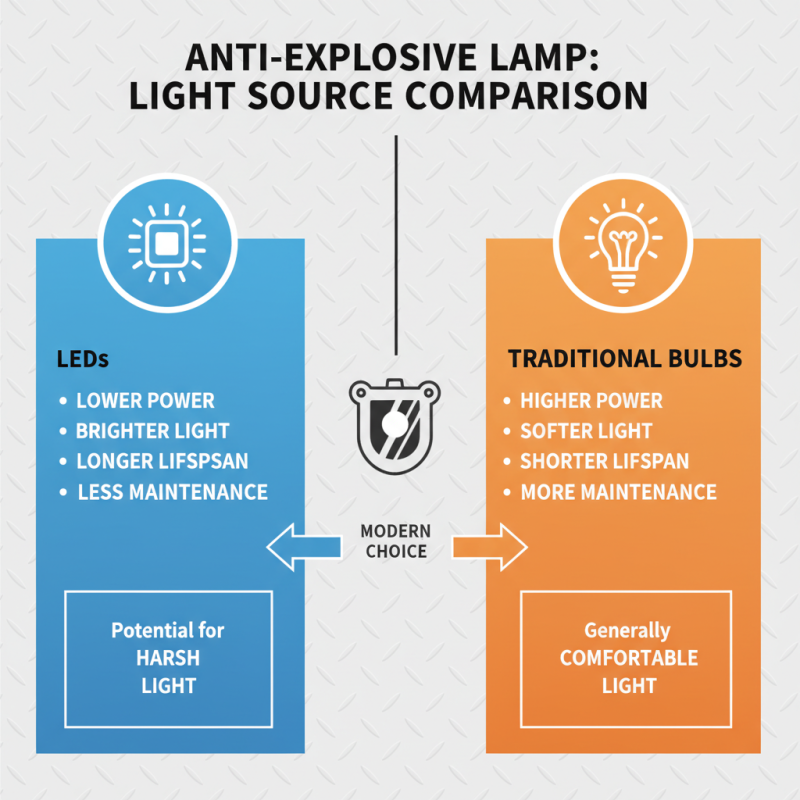
When selecting an anti-explosive lamp, the choice of light source is crucial. LED and traditional bulbs each have distinct characteristics. LEDs consume less power and provide brighter light. They last longer, reducing maintenance needs significantly. On the downside, some LEDs may produce harsh light that can be uncomfortable for prolonged use.
Traditional options, like incandescent bulbs, produce warmer light but are less energy-efficient. They tend to burn out faster, leading to more replacements. However, many users appreciate the softer glow they provide. This can create a more inviting environment, but it may come at the cost of safety and longevity.
In practice, evaluating these options requires careful thought. Testing both types under real conditions is essential. Users often find themselves torn between clarity and comfort. The right choice depends on the specific environment and the tasks at hand. Ultimately, safety must come first, even as we weigh different needs and preferences.
Safety Standards and Certifications for Anti-Explosive Lighting
When selecting an anti-explosive lamp, it's crucial to consider safety standards. Safety certifications indicate that the product has been tested for specific hazards. Look for lamps with ATEX or IECEx certifications. These ensure compliance with safety requirements in explosive environments. These certifications also provide peace of mind for users in hazardous locations.
Tips: Always check the label. It should clearly display certification marks. If it’s absent, there could be a risk involved. Inspect the construction of the lamp carefully. Sturdy materials can withstand harsh conditions. Verify the manufacturer's reputation. Reliable brands often prioritize safety in their designs.
The environment matters too. Different areas require different levels of protection. For instance, indoor and outdoor lamps may have varied ratings. Be wary of overly ambitious claims. Sometimes, products look good on paper but fail in real-life applications. Know the specifics and don’t rush your decision. Safe lighting is not just about brightness; it’s about protection.