How to Choose the Right Mining Slurry Pump for Your Project?
Choosing the right mining slurry pump is crucial for any mining project. Industry expert Dr. Emily Thompson states, “The efficiency of a mining slurry pump can significantly impact operational success.” This highlights the importance of making an informed decision.
Mining slurry pumps are essential for transporting materials in various mining operations. Their design, capacity, and durability can greatly influence the overall performance of any project. Understanding the specific requirements of your site is vital. Consider factors like the slurry composition, flow rate, and distance the material must travel.
It’s easy to get overwhelmed by options. Some pumps may look ideal on paper but may not perform well under real-world conditions. Continuous adjustments might be needed to optimize performance. Gathering insights and feedback from experienced users can provide clarity. Making a choice based on reliable data ensures better outcomes.

Understanding the Role of Mining Slurry Pumps in the Industry
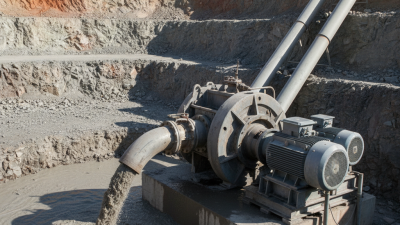
Mining slurry pumps play a crucial role in the mining industry. They transport mixtures of water and solids efficiently. According to a recent industry report, these pumps can handle solids ranging from fine particles to large chunks. Their design must withstand harsh conditions, including high wear and corrosive environments.
The performance of a mining slurry pump directly affects operational efficiency. Inadequate pumps can lead to downtime. Leading studies indicate that up to 25% of mining operational costs can stem from pump failures. This underscores the importance of selecting pumps with the right specifications for specific mining conditions.
Various factors play into choosing the right pump. Pump size, material, and flow rate are critical. Mines often struggle with wear rates and maintenance costs, which can be unpredictable. It's essential to analyze the specific characteristics of mined materials. Many companies are realizing that better upfront pump selection can lead to significant cost savings and extended equipment life.
Overview of Mining Slurry Pump Performance by Flow Rate
Key Factors Influencing Slurry Pump Selection for Mining Applications
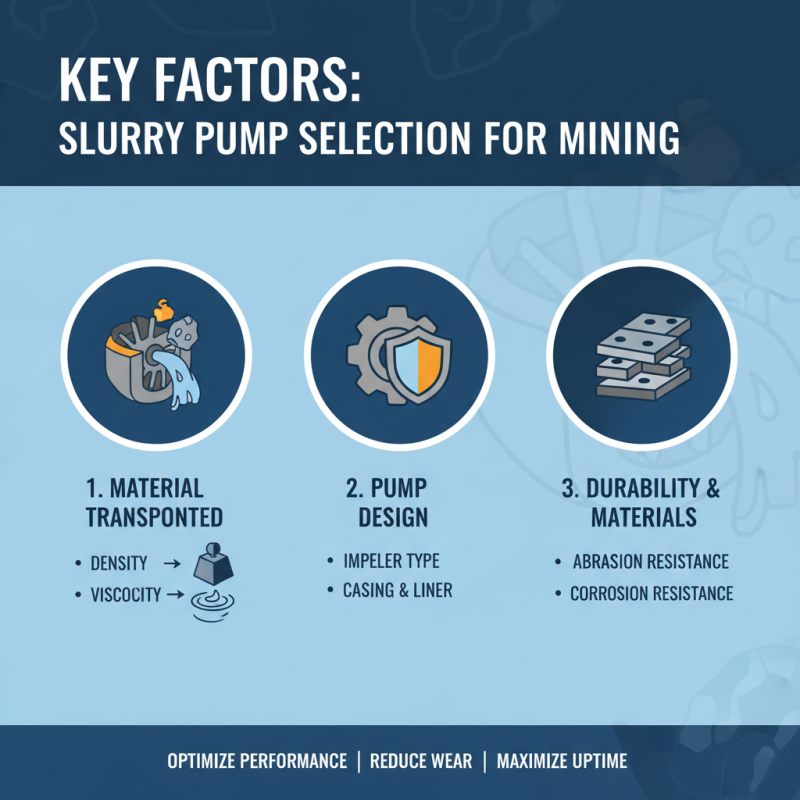
Selecting the right slurry pump for mining applications involves several key factors. One crucial element is the material being transported. Slurries can vary significantly in terms of density and viscosity. Recognizing these properties will help you determine the appropriate pump design and materials for durability.
Pump size and configuration also significantly affect performance. A larger pump may seem beneficial, but it can lead to inefficiency if the system is not designed for it. Additionally, the wear resistance of the pump is vital. Mining operations often involve abrasive materials that can quickly degrade pump components. This emphasizes the importance of considering the pump’s construction materials and maintenance requirements.
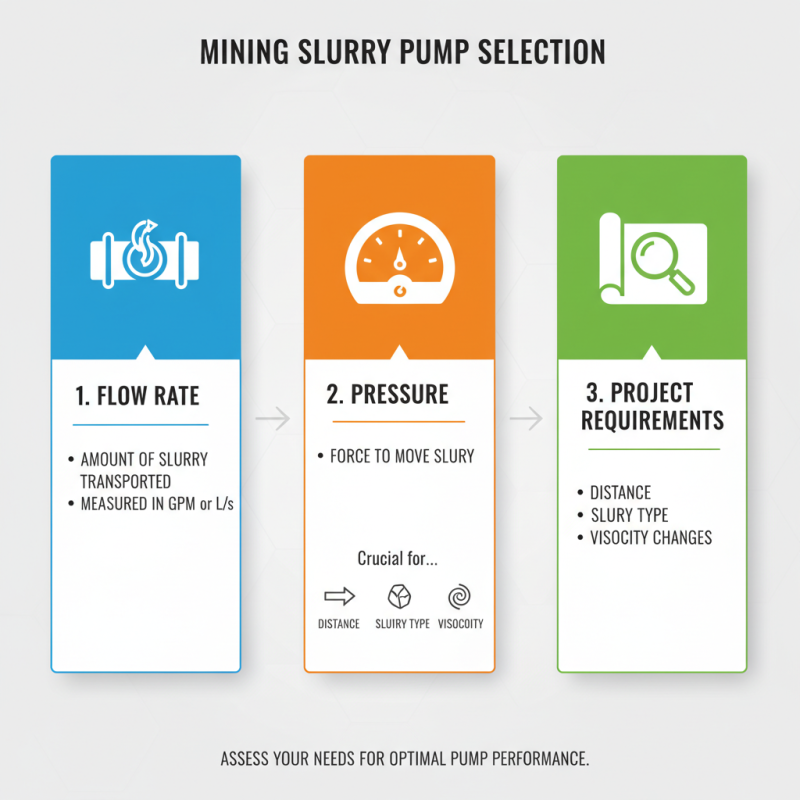
Another factor is the pump's efficiency at varying flow rates. You want a pump that performs well under different conditions. If the pump struggles with low flow rates, it can lead to operational issues. Addressing these nuances can prevent costly downtime. Balancing performance, cost, and reliability should be a central focus during your selection process. Each project presents unique challenges, and being adaptable is key.
Comparative Analysis of Different Slurry Pump Technologies
When selecting a mining slurry pump, understanding different technologies is essential. Slurry pumps vary widely in design and application. The primary types include centrifugal, positive displacement, and submersible pumps. Research indicates that centrifugal pumps dominate up to 70% of the market due to their efficiency. However, they can struggle with high-viscosity slurries. In contrast, positive displacement pumps excel in pumping thick, abrasive materials. Their complexity often leads to higher maintenance costs.
Moreover, submersible pumps are unique. They function underwater, reducing the need for piping and minimizing space. Data from recent industry reports show that submersible pumps are becoming more popular. This shift is partly due to their ability to handle difficult terrain. Each technology has its strengths and weaknesses, making the selection process challenging.
Notably, the choice of slurry pump impacts operational efficiency significantly. Selecting the wrong type may lead to frequent downtime and increased costs. Some projects require specific pump attributes, such as wear resistance or energy efficiency. These choices are influenced by the material being transported and the operating environment. It’s crucial to assess not only immediate needs but also future demands. Analyzing your unique requirements will guide you to the most reliable solution.
How to Choose the Right Mining Slurry Pump for Your Project?
| Pump Type |
Material |
Maximum Flow Rate (m³/h) |
Operating Pressure (bar) |
Efficiency (%) |
| Centrifugal Pump |
Cast Iron |
150 |
6 |
85 |
| Submersible Pump |
Stainless Steel |
100 |
5 |
90 |
| Diaphragm Pump |
Rubber |
80 |
4 |
75 |
| Froth Pump |
High Chrome |
120 |
7 |
80 |
| Peristaltic Pump |
Plastic |
60 |
3 |
70 |
Evaluating Material Compatibility and Wear Resistance in Slurry Pumps
When selecting a mining slurry pump, evaluating material compatibility and wear resistance is crucial. Slurry pumps transport abrasive and corrosive materials. Ensuring the right materials can extend the pump's lifespan remarkably. For example, high-chrome alloys often resist wear from strong abrasives. On the other hand, softer materials might erode quickly, leading to increased maintenance costs.
Tips: Assess the type of materials your system will handle. Consider the pump's operating environment. Harsh conditions can accelerate wear. Choose materials that endure specific abrasives encountered in your application.
Another essential factor is the pump's design. Some pumps have enhanced wear parts that can significantly improve performance. Keep in mind that initial costs might be higher, but reliability is often worth the investment. Regular inspections can reveal signs of wear. It’s crucial to be proactive in addressing these issues, as neglect can lead to operational failures.
Ultimately, understanding your unique operational requirements will guide you in selecting the best slurry pump. A thoughtful choice today can prevent future pitfalls. Don't rush the decision!