How to Use a Jack Leg Rock Drill Effectively?
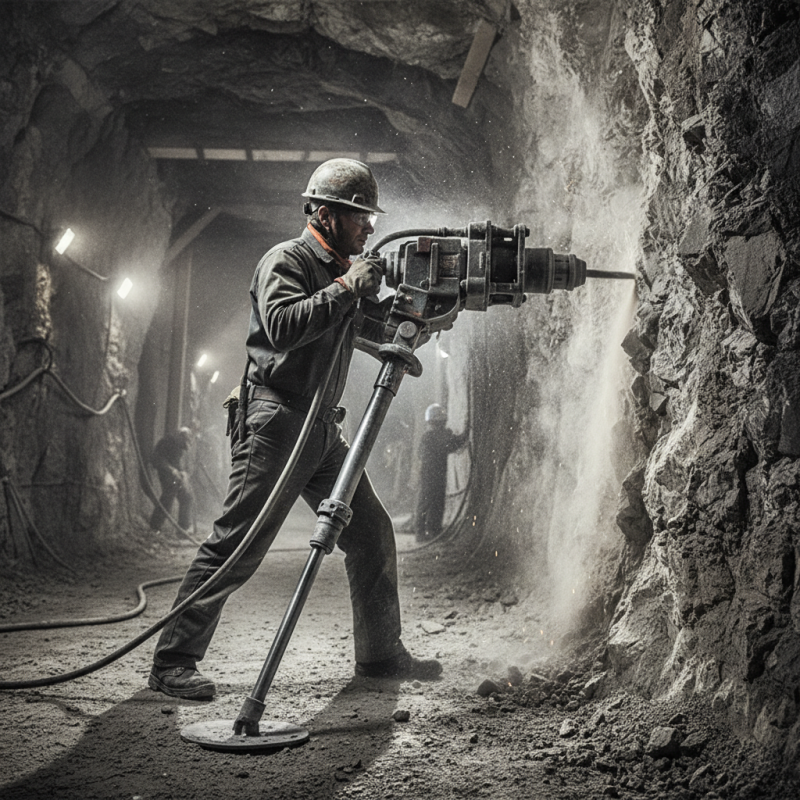
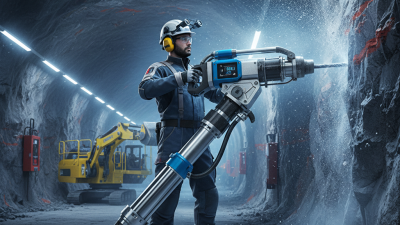
The Jack Leg Rock Drill is an essential tool in mining and construction. It allows workers to create holes in hard rock efficiently. Understanding how to use it effectively can enhance safety and productivity.
A well-operated Jack Leg Rock Drill can penetrate tough materials. This increases the drilling rate and reduces labor time. However, improper use can lead to accidents or decreased efficiency. Operators must be trained adequately and regularly check the equipment for wear.
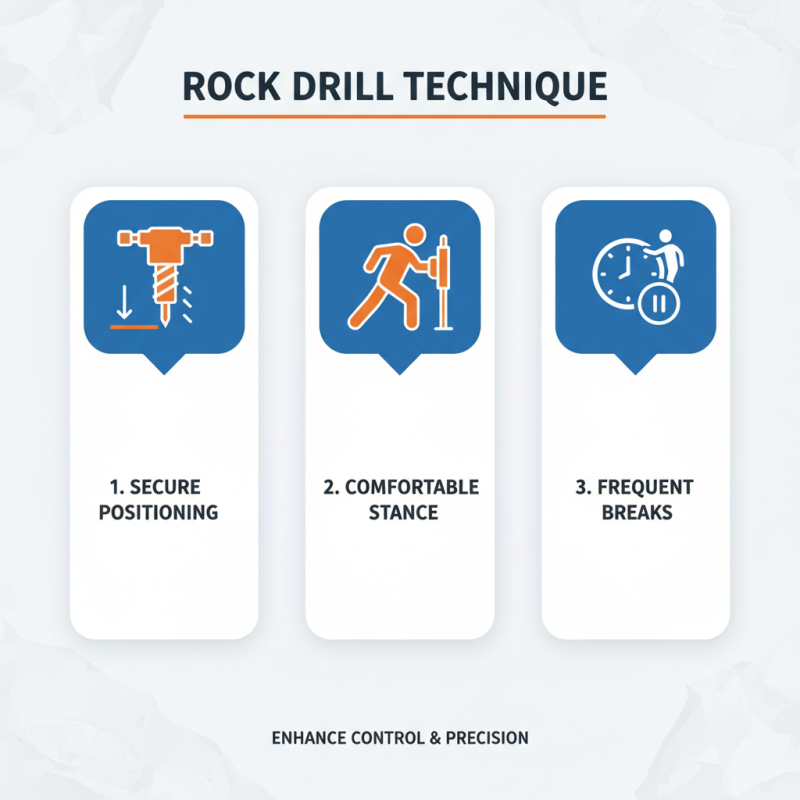
To maximize its effectiveness, workers need to focus on technique and posture. A correct stance can minimize physical strain. Yet, even experienced users may struggle sometimes. Reflecting on your approach can help identify areas for improvement. Overall, mastering the Jack Leg Rock Drill requires practice and thoughtful consideration.
Understanding the Basics of Jack Leg Rock Drills
Jack leg rock drills are essential tools in mining and construction. They provide versatility and power in drilling operations. Understanding their basics is key to effective use. These drills work through a simple mechanism. The jack leg supports the drill, allowing it to be adjusted for different angles.
According to industry reports, properly used jack leg rock drills can increase productivity by up to 30%. However, operator training is crucial. Many users neglect this aspect. Inadequate training can lead to inefficiencies and potential safety hazards. Drill operators should also be aware of maintenance schedules. Neglecting routine checks can result in costly downtime.
Choosing the right drill bit is another area often overlooked. Bits designed for specific rock types enhance performance significantly. For example, using a carbide bit may work best for hard rocks. Yet, some operators still use universal bits, leading to faster wear and tear. This not only affects efficiency but also increases operational costs, a consideration that should not be ignored.
Key Safety Procedures When Using a Jack Leg Rock Drill
When working with a jack leg rock drill, adhering to key safety procedures is crucial. The operator should perform a pre-operation inspection. This involves checking air hoses, couplings, and drill parts. According to industry reports, 40% of drill-related accidents stem from equipment failure. Regular maintenance can significantly reduce such risks.
Wearing appropriate personal protective equipment (PPE) is essential. Hard hats, safety goggles, and steel-toed boots protect workers from injuries. Data shows that injuries can decrease by up to 50% when proper gear is utilized. Communication among team members also plays a vital role. Establishing clear signals can prevent accidents during operation.
Operators must be aware of their surroundings. Ground stability is a major concern. A report from a safety organization indicates that 30% of accidents happen due to unstable ground conditions. Drill operators should be trained to recognize such hazards. Ignoring these risks can lead to serious consequences. Reflecting on past incidents is valuable. Continuous training helps build a safer work environment.
Jack Leg Rock Drill Efficiency and Safety Metrics
Step-by-Step Setup and Adjustment of the Drill
When setting up a jack leg rock drill, careful adjustments are crucial. Ensure the drill is on a stable surface. This helps maintain accuracy during operation. According to a report by the International Society of Mining and Mineral Engineering, improper setup can lead to increased error rates by up to 15%.
After stabilizing the drill, check the air pressure. It should be regulated to match the rock type you're drilling. An ideal pressure ranges between 90 and 100 psi for effective drilling performance. Avoiding this adjustment could result in slower drilling speeds. Sometimes, operators neglect this, causing friction and premature wear on drill bits.
Next, adjust the leg length. It must be suited to the drill height. The wrong leg length can lead to instability, which poses safety risks. Reports indicate that incorrect leg adjustments can contribute to 20% of accidents in drilling activities. Operators must perform this regularly and be attentive to signs of wear in the legs. Such attentiveness can prevent unnecessary downtime and costly repairs.
How to Use a Jack Leg Rock Drill Effectively? - Step-by-Step Setup and Adjustment of the Drill
| Step |
Description |
Tools Needed |
Safety Precautions |
| 1 |
Inspect the drill for any visible damage and ensure all components are intact. |
Visual Inspection Tools |
Wear safety goggles and gloves. |
| 2 |
Set up the drill on a stable surface and secure it in place. |
Wrench, Level |
Ensure drill is on level ground to prevent tipping. |
| 3 |
Connect the air supply and check for proper pressure settings. |
Air Compressor, Pressure Gauge |
Avoid excessive pressure to prevent damage. |
| 4 |
Adjust the feed rate and rotation speed as per the rock type. |
Drill Control Settings |
Follow the rock drill manuals for correct settings. |
| 5 |
Begin drilling and monitor for vibrations and irregular sounds. |
None |
Keep a safe distance from the drill while in operation. |
| 6 |
After drilling, clean the drill and perform any necessary maintenance. |
Cleaning Tools, Lubricants |
Ensure drill is turned off before cleaning. |
Maintenance Tips for Longevity and Performance of the Drill
Proper maintenance of a jack leg rock drill can significantly enhance its longevity and performance. Regular inspections are vital to ensure all components function optimally. According to industry reports, maintenance issues account for nearly 30% of equipment failures. Addressing these concerns promptly can save companies both time and money.
Lubrication plays a crucial role. Ensure you use the recommended lubricants to minimize wear on moving parts. Studies show that improperly lubricated drills can suffer a performance drop of up to 25%. It's essential to clean and check filters regularly. Over time, dirt accumulates and can severely impact efficiency. A simple checklist can help keep track of these necessary tasks.
Another important aspect is understanding drill behavior. Unexpected vibrations might indicate underlying issues. Addressing these early can prevent costly repairs later. Operators should maintain a log of operational hours and issues encountered. This documentation can reveal patterns and highlight areas needing attention. Regular training for operators enhances their ability to recognize wear signs, allowing for more efficient maintenance.