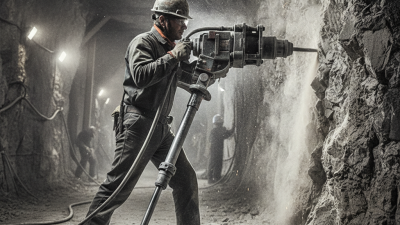
10 Essential Tips for Choosing Mining Jack Hammers for Efficient Drilling?
In the mining industry, selecting the right tools is crucial for productivity. "Mining Jack Hammers" are essential for efficient drilling. According to James Carter, a mining engineer with over 15 years of experience, “Choosing the right jack hammer can make or break your operation.” His insight highlights the significance of careful selection in this competitive field.
Mining Jack Hammers come in various types and sizes. Factors such as weight, power, and durability are important to consider. Each project may demand different specifications. A poorly chosen jack hammer can lead to wasted time and increased costs. Therefore, understanding the specific needs of your operation is key.
Investing time in research is vital. Examine the performance of different models and read user reviews. Also, consider the environment where the equipment will be used. Not all jack hammers perform well in harsh conditions. A balanced approach, weighing both expert advice and real-world usage, can guide your decision.
Understanding the Types of Mining Jack Hammers and Their Applications
When choosing mining jack hammers, it's crucial to understand the various types available. The two main categories are pneumatic and electric jack hammers. Pneumatic models are ideal for heavy-duty tasks. They operate using compressed air and offer high power in rugged environments. Electric hammers, however, are user-friendly and quieter, making them suitable for smaller tasks.
Different applications require specific jack hammers. For instance, if drilling in hard rock, a heavy-duty pneumatic hammer excels. For lighter operations, an electric option might suffice. Weight plays a significant role too. Professionals often overlook the balance between power and portability. A heavy jack hammer may cause fatigue during prolonged use.
Selecting the right hammer impacts both efficiency and safety. Understanding each type's strengths and weaknesses is critical. Mistakes can lead to operational delays or even injuries. Always consider the work environment and the material being drilled. A thorough understanding of the options available allows for more informed decisions.
Key Specifications to Consider When Selecting a Mining Jack Hammer
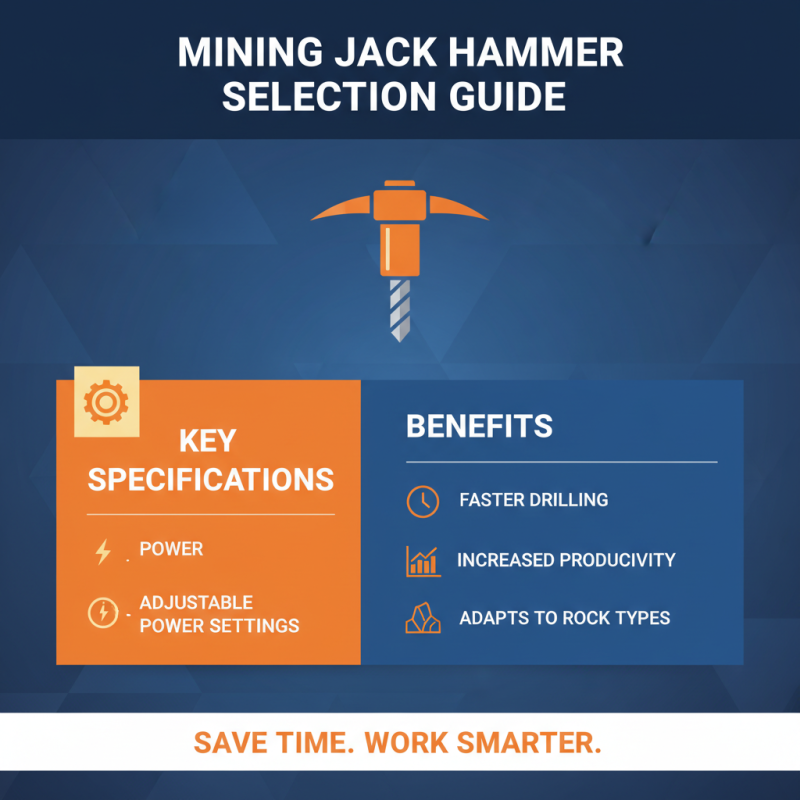
When selecting a mining jack hammer, several key specifications demand attention. The power of the hammer is crucial. A more powerful hammer can drill faster, saving time and increasing productivity. Look for models that offer adjustable power settings. This feature allows operators to adapt to different rock types more effectively.
Weight is another significant factor. Heavier hammers tend to be more stable during drilling, but they can also cause fatigue. Balance is key; operators should feel comfortable handling the tool for extended periods. Additionally, consider the type of drill bit compatibility. Some hammers work better with specific bits, impacting drilling efficiency and outcomes.
Durability is vital for mining applications. Hammers should withstand harsh conditions and extensive use. Regular maintenance checks are essential, but the design of the hammer also matters. A poorly designed model may require more frequent repairs. Also, vibration levels should be monitored. Excessive vibration can lead to operator fatigue and long-term health concerns. Balancing performance, comfort, and safety ensures that the chosen jack hammer meets operational needs efficiently.
Evaluating Power Sources: Pneumatic, Electric, or Hydraulic Hammer Options
When choosing a mining jackhammer, the power source plays a crucial role. The three primary options are
pneumatic, electric, and hydraulic drills. Each has distinct advantages and limitations in a mining environment.
Pneumatic hammers are known for their high power-to-weight ratio. They excel in demanding conditions. However, they require an air compressor, which might not always be available on-site. A report from the International Journal of Mining Science estimates that pneumatic tools can achieve efficiencies of up to 30% compared to their electric counterparts.
Electric hammers offer a more consistent performance and are generally quieter. They are suitable for operations where noise levels must be controlled. However, they depend on a reliable electricity supply. This may limit their use in remote areas. Hydraulic hammers provide tremendous power and can operate in various environments. The downside is their complexity and higher maintenance costs. According to the Mining Equipment Association, hydraulic options can increase drilling productivity by up to 40% in certain conditions.
Choosing the right jackhammer requires understanding site conditions. Misjudging operational needs and power source limitations can lead to inefficiencies. Always weigh productivity gains against operating costs. The right choice is often context-dependent.
Importance of Weight and Portability in Mining Jack Hammer Efficiency
When selecting mining jack hammers, weight and portability are critical aspects. Heavy tools slow down operations and increase fatigue among workers. According to a 2022 report by the International Council on Mining and Metals, efficient drilling can significantly boost productivity. Lighter models allow for more mobility on uneven terrains, essential in mining environments. A miner can save precious time with a hammer that is both lightweight and powerful.
Portability also impacts safety. In confined spaces, cumbersome tools can become hazards. A report from the Mining Industry Research Association highlights that ease of transport reduces the risk of accidents. Optimal designs in jack hammers enable operators to navigate tight spots efficiently. However, balancing power and weight is a challenge. Some miners may prioritize strength over mobility, but this can lead to fatigue during extended use.
Choosing the right weight is an intricate decision. It requires understanding the specific needs of the job. Mistrust in subpar equipment can hinder progress. Industry reports suggest that lightweight hammers, under 20 lbs, have improved drilling accuracy. But, they might limit depth or rock-breaking capacity. A thoughtful approach helps miners strike a balance between efficiency and safety.
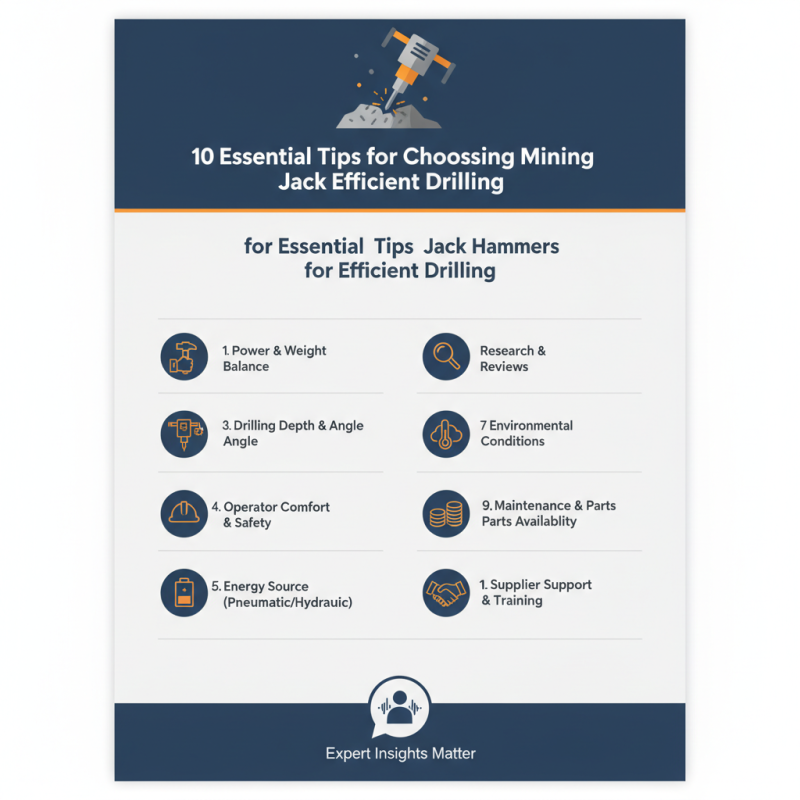
10 Essential Tips for Choosing Mining Jack Hammers for Efficient Drilling
| Tip |
Description |
Weight (lbs) |
Portability Rating (1-10) |
Efficiency Level |
| Consider Weight |
Choose a weight that balances power with ease of use. |
40 |
8 |
High |
| Evaluate Portability |
Select models that are easy to transport to various job sites. |
50 |
7 |
Medium |
| Power Source |
Consider electric vs. pneumatic options based on site needs. |
45 |
9 |
High |
| Durability |
Select hammers made with robust materials for longevity. |
55 |
6 |
Medium |
| Noise Level |
Check for noise reduction features to protect hearing. |
42 |
8 |
High |
| Maintenance Requirements |
Opt for models that require minimal upkeep. |
48 |
7 |
Medium |
| Bit Compatibility |
Ensure the hammer supports various bit sizes. |
41 |
8 |
High |
| Operational Safety |
Look for safety features to protect the operator. |
53 |
9 |
High |
| Performance Ratings |
Check reviews and efficiency ratings from previous users. |
49 |
8 |
High |
| Cost-Effectiveness |
Assess the long-term value against initial cost. |
38 |
7 |
Medium |
Analyzing Cost-Effectiveness: Initial Investment vs. Long-term Performance
When selecting mining jack hammers, understanding the cost-effectiveness is crucial. An initial investment may seem high for top-tier equipment. However, long-term performance can justify those costs. A quality jack hammer typically lasts longer and requires fewer repairs. This longevity reduces ongoing expenses, making it a wise choice.
Many factors influence the overall value of a jack hammer. Consider the type of material it will handle. Is it mainly soft rock or harder materials? Matching your hammer with the intended use affects durability and efficiency. Seek input from experts in mining operations. Their experience can save you from costly mistakes.
Assessing maintenance costs is also vital. Some models need frequent repairs or parts replacement. This can escalate expenses quickly. Regular maintenance might mitigate issues, but it requires time and resource allocation. Investing in a reliable hammer may save you from these pitfalls. Ultimately, weigh the upfront costs against potential savings and productivity improvements. This reflection is key to making a sound investment decision.