What is Jack Leg Rock Drill and Its Advantages?
The Jack Leg Rock Drill is a vital tool in the mining and construction industry. It combines powerful drilling capabilities with user-friendly features. This equipment stands out for its versatility and efficiency, making it a preferred choice for many professionals.
The design of the Jack Leg Rock Drill is unique. It allows operators to adjust the angle for precision drilling. This adjustability enhances the drill's effectiveness in various geological conditions. Moreover, the drill is renowned for its durability. Operators can rely on it for prolonged periods without compromising performance.
While many appreciate its benefits, there are considerations. The weight of the Jack Leg Rock Drill can be challenging in confined spaces. Additionally, operators must receive proper training to maximize its potential. Understanding these factors can lead to better outcomes in projects.
What is a Jack Leg Rock Drill?
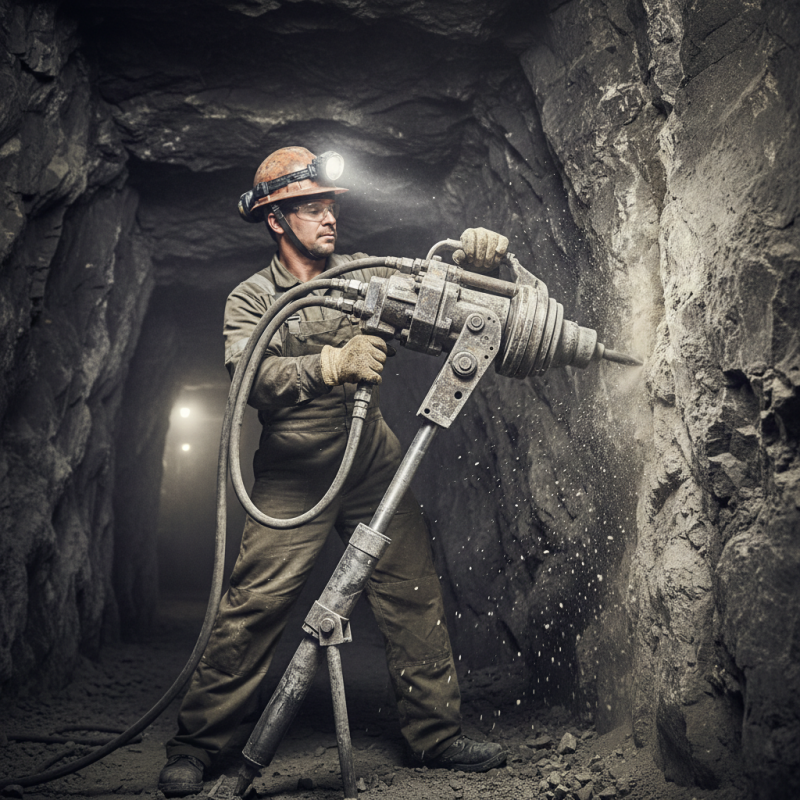
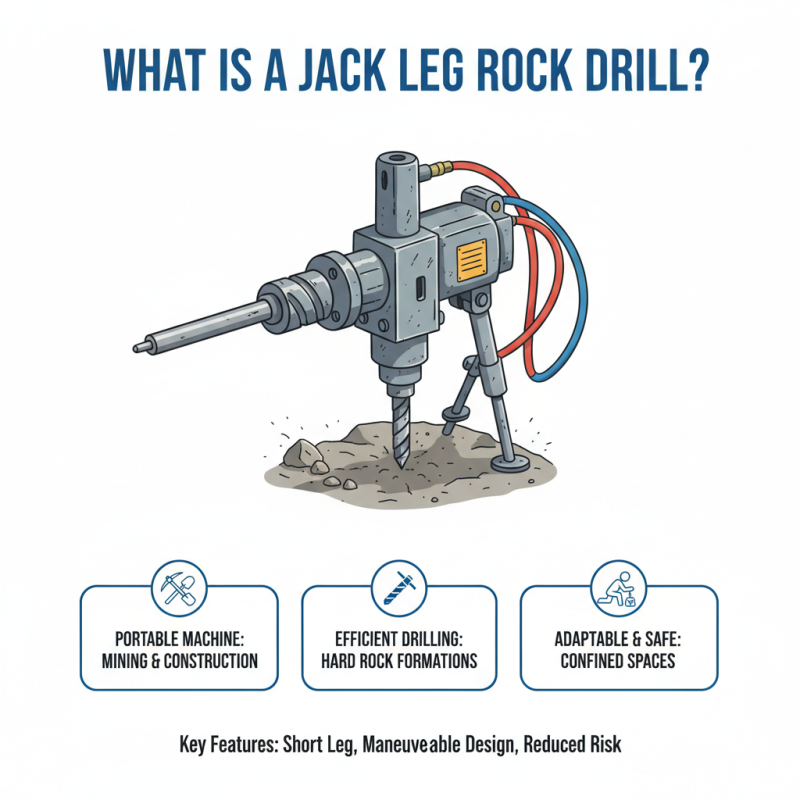
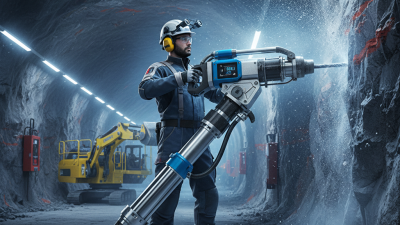
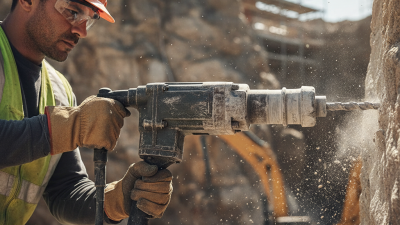
A Jack Leg Rock Drill is a portable machine used primarily in mining and construction. Its design allows for efficient drilling in hard rock formations. The drill features a short leg that provides flexibility in operating angles. This adaptability makes it effective in confined spaces, enhancing its utility on rugged terrains. Operators can easily maneuver it, reducing the risk of accidents.
What sets the Jack Leg Rock Drill apart is its power-to-weight ratio. It delivers high drilling speed while remaining lightweight. This balance is crucial for prolonged use, as it minimizes operator fatigue. Additionally, the drill can create precise holes for blasting or anchor installations. However, improper handling can lead to unexpected incidents. Operators must undergo thorough training to understand the machine's capabilities fully.
Despite its advantages, users should be aware of potential drawbacks. The reliance on compressed air can lead to inefficiencies in certain conditions. Dust and vibration are also concerns that can affect the operator's health. Regular maintenance is necessary to keep the drill in optimal condition. Overall, the Jack Leg Rock Drill exemplifies efficiency, but attention to safety and care is vital.
Key Components of the Jack Leg Rock Drill
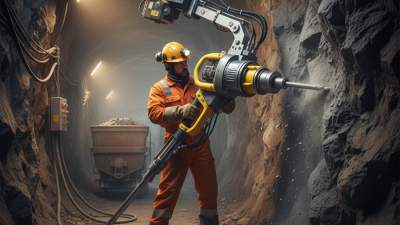
The jack leg rock drill is known for its ruggedness and efficiency in mining operations. Key components play a significant role in its functionality. The drill consists of a leg, a rotating drill head, and a pneumatic system. The leg can adjust swiftly to different angles, ensuring precise drilling. Reports indicate that the adjustable feature improves productivity by up to 30% in various mining environments.
The drill head is engineered for heavy-duty applications. It's designed to withstand extreme pressure. This construction allows it to bore through hard rock, making it a favorite in underground mining. The pneumatic system powers the drill, filling the gap between efficiency and performance. According to the Mining Industry Report 2022, pneumatic systems have a significant operational lifespan, averaging 7 to 10 years in continuous use, demonstrating reliability under intense conditions.
However, maintenance is crucial. Regular checks on the pneumatically powered systems can prevent costly downtimes. Some users report issues with wear and tear on components. Operators often need to replace worn-out parts more frequently than anticipated. Balancing the robustness of the equipment with necessary upkeep can be challenging. These elements highlight the importance of training for proper usage and maintenance.
How the Jack Leg Rock Drill Operates
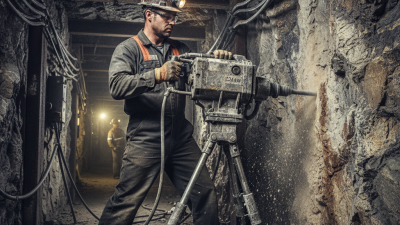
The Jack Leg Rock Drill is a powerful tool used in mining and construction. It operates on a relatively simple principle. Workers attach the drill to a support leg, allowing for stability during operation. This design means the drill can operate in various positions, enhancing versatility. Proper setup is crucial for efficiency and safety. Adjusting the leg extends or shortens the height, enabling precise drilling.
When using the Jack Leg Rock Drill, operators control the drilling speed and pressure. The drill bit penetrates rock as compressed air powers the mechanism. This method leads to effective rock fragmentation. However, operators must remain vigilant. Misalignment can cause inefficiencies or increase wear on the drill. It’s important to check connections regularly.
Despite its advantages, the Jack Leg Rock Drill has limitations. For instance, it may not be ideal for very hard rock formations. Additionally, noise levels can be high, requiring hearing protection for workers. Proper training in its operation is essential for safety. The drill’s effectiveness relies heavily on the operator's skill and experience. Understanding its strengths and weaknesses can lead to better results.
What is Jack Leg Rock Drill and Its Advantages? - How the Jack Leg Rock Drill Operates
| Feature |
Description |
Advantages |
| Compact Design |
Small-sized and lightweight, making it easier to handle in confined spaces. |
Increases operational efficiency in tight areas and reduces the need for heavy machinery. |
| Adjustable Leg |
Leg can be adjusted to different lengths for various applications. |
Versatility in drilling heights and angles, ideal for various rock formations. |
| High Efficiency |
Designed to maximize drilling speed and productivity. |
Reduces time spent on drilling tasks, leading to cost savings. |
| Pneumatic Operation |
Operates using compressed air for power. |
Ensures powerful performance while minimizing the environmental impact. |
| Safety Features |
Includes features to minimize the risk of accidents during operation. |
Enhances operator safety and reduces liability concerns. |
Advantages of Using a Jack Leg Rock Drill
The Jack Leg Rock Drill is a vital tool in the mining and construction industries. Its advantages are widely recognized among professionals. This drill allows for efficient drilling in hard rock environments. A study by the Mining Industry Association revealed that using a Jack Leg Rock Drill can increase productivity by up to 30%. This improved efficiency translates directly to lower project costs and faster completion times.
One significant advantage of the Jack Leg Rock Drill is its portability. It can easily adapt to various work conditions. Operators can maneuver it in tight spaces, enhancing drilling capabilities without sacrificing performance. Furthermore, modern designs often reduce operator fatigue. Enhanced ergonomics are critical for maintaining safety and ensuring long hours of operation. Many reports indicate that better-designed drills minimize injury risks.
Tip:
Always ensure technicians receive proper training for optimal performance. Inadequate training can lead to increased accidents and decreased efficiency. Regular maintenance also plays a crucial role. This keeps the machine in top condition and extends its lifespan. Operators must routinely check the components to avoid costly downtimes.
Common Applications of the Jack Leg Rock Drill
The Jack Leg Rock Drill is widely utilized in various mining and construction applications. This drill excels in horizontal and vertical drilling tasks, which are essential for creating tunnels and excavating rock. Its design allows for easy maneuverability, making it effective in confined spaces. In fact, many industry reports indicate that around 70% of underground mining operations employ jack leg drills due to their efficiency.
One of the common applications is in tunneling projects. A study conducted by the National Mining Association shows that drilling is a significant operation in 60% of tunneling works. Jack leg drills provide the necessary precision and control required for blasting operations. They are also used in constructing access holes in quarries and groundwork for heavy machinery.
Additionally, jack leg rock drills play a critical role in geological exploration. They help in sampling and assessing mineral resources efficiently. However, operators must be aware of possible environmental impacts, such as noise and vibrations. Balancing drilling efficiency with environmental considerations can be challenging. Adapting drilling techniques while minimizing disturbances remains a focal point for the industry.