Jack Leg Rock Drill Tips for Efficient Performance and Safety?
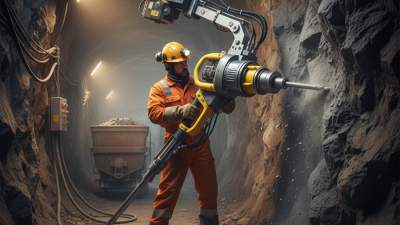
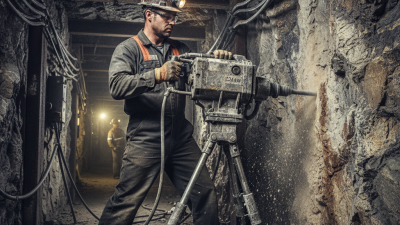
When it comes to the world of drilling, the "Jack Leg Rock Drill" stands out for its remarkable efficiency and versatility in various mining environments. Industry expert, John Anderson, emphasizes the importance of proper technique and safety, stating, "A well-handled Jack Leg Rock Drill can transform a challenging task into a manageable one."
Understanding the nuances of using a Jack Leg Rock Drill is crucial. Each drill's setup and handling can significantly impact performance and worker safety. Ensuring that the drill is well-maintained and properly adjusted for different rock types is vital. Even a minor oversight can lead to inefficiencies or, worse, accidents.
In the realm of drilling, experience often reveals the best practices. However, a drill operator's skill may vary greatly. Continuous training and reflection on previous projects can greatly enhance proficiency. Acknowledging mistakes and learning to adapt is part of mastering the use of a Jack Leg Rock Drill. Recognizing these factors may lead to improvements not only in performance but also in safety standards across the industry.
Understanding Jack Leg Rock Drills: Introduction and Functionality
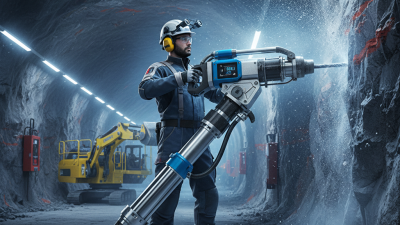
Jack leg rock drills play a crucial role in mining and tunneling. These tools are designed to create precise holes in hard rock. Their adjustable leg allows operators to work in various positions. This flexibility can enhance efficiency and safety when used correctly.
Understanding the functionality of jack leg rock drills is vital. A well-maintained drill can significantly improve productivity. When using a jack leg drill, operators should maintain a stable stance. This stability prevents accidents and allows for better control of the drill. Regular inspections of the equipment are also essential. Inspect components to ensure they function smoothly.
Improper usage can lead to severe issues. Operators sometimes underestimate the drill's power. This oversight can result in injuries or equipment damage. Training programs focusing on safe operation can help reduce risks. Overall, knowledge and respect for the tool enhance safety and performance. Consistent reflection on one's technique is necessary for ongoing improvement.
Jack Leg Rock Drill Performance Efficiency
This bar chart illustrates various performance metrics associated with Jack Leg Rock Drills. It highlights key areas such as speed, fuel efficiency, safety, maintenance downtime, and operational flexibility, providing insights into how to achieve efficient performance and safety in rock drilling operations.
Essential Safety Precautions When Using Jack Leg Rock Drills
When operating jack leg rock drills, safety is paramount. Ensuring a safe working environment protects not only the operator but also the team. Always wear proper safety gear, such as helmets, gloves, and hearing protection. This basic precaution can prevent serious injuries. Inspect the drill before use. Check for wear and tear on the equipment and ensure all components are functioning correctly. A small oversight can lead to significant consequences.
Maintain a clear work area. Remove any obstacles or debris that could cause tripping or falling. Establish safety zones and ensure all team members are aware of them. Communication is key; make sure everyone knows how to signal for assistance if needed. Regular safety drills can reinforce these important protocols.
With jack leg rock drills, efficiency depends on the technique. Use smooth, steady pressure to maximize performance with less physical strain. Adjust your stance to maintain balance and control. Practice proper lifting techniques to avoid strain injuries. Also, take regular breaks to stay alert and reduce fatigue. This creates a more productive and safer work environment.
Techniques for Maximizing Efficiency with Jack Leg Rock Drills
Efficiency and safety in using Jack Leg rock drills require careful attention to technique and maintenance. Proper setup is essential for performance. Ensure that the drill is at the correct angle and securely anchored. This prevents excessive vibrations, which can lead to operator fatigue. Regular checks on the drill's components, such as the steel and shank, help maintain optimal functionality. Even minor wear can affect drill efficiency and safety.
Training plays a critical role in maximizing performance. Operators should be familiar with the drill's mechanics and features. Understanding how to adjust pressure settings can enhance drilling speed without compromising safety. It's important to take breaks to avoid tiredness, which can lead to mistakes. Communication among crew members can also improve work flow efficiency. Encouraging team members to share observations and concerns fosters a safer working environment.
Regular review of safety protocols is necessary. Operators might forget simple procedures over time. Highlighting safety reminders can reduce incidents. A culture of safety, where team members support one another, enhances overall site reliability. Reflecting on day-to-day practices can reveal areas for improvement, ensuring both efficiency and safety in drilling operations.
Jack Leg Rock Drill Tips for Efficient Performance and Safety
| Tip |
Description |
Safety Precautions |
Efficiency Maximization |
| Routine Maintenance |
Regularly check and maintain drill components to ensure optimal functionality. |
Always wear personal protective equipment (PPE) during maintenance checks. |
Implement a maintenance schedule to reduce downtime. |
| Proper Training |
Ensure all operators are trained on the proper use of jack leg rock drills. |
Conduct safety drills regularly to reinforce safe operating procedures. |
Use simulation training to maximize skills and confidence. |
| Drilling Techniques |
Utilize optimal drilling angles and speeds based on rock types. |
Monitor surroundings for stability to prevent accidents. |
Experiment with different techniques to find the most efficient approach for each situation. |
| Tool Selection |
Choose the right drill bits and tools based on the geological conditions. |
Verify tool integrity before use to avoid malfunctions. |
Invest in high-quality tools to improve drilling speed and longevity. |
| Workstation Organization |
Keep the work area tidy and free from obstructions. |
Ensure clear pathways for emergency exits. |
Organized spaces speed up access to tools and prevent delays. |
Routine Maintenance Tips for Optimal Performance of Rock Drills
Routine maintenance is crucial for the efficient performance of rock drills. Regular inspections can prevent unexpected breakdowns. Industry reports show that equipment failures lead to a 20% increase in operational costs. A detailed maintenance schedule can mitigate these risks.
Daily checks are essential. Look for signs of wear on drill bits and hydraulic systems. Lubrication is vital to avoid friction and overheating. Studies indicate that proper lubrication can extend the lifespan of machinery by up to 30%. However, many operators neglect this step, resulting in decreased efficiency.
Training operators on maintenance procedures can also enhance safety. Research highlights that well-trained personnel reduce accidents by 40%. Regular workshops can reinforce safe practices. Investing time in maintenance and training pays off, ensuring smooth operations and prolonging equipment life.
Best Practices for Operator Training on Jack Leg Rock Drills
Training operators on Jack Leg rock drills requires a focus on practical skills and safety awareness. Effective training sessions should combine theory with hands-on practice. This allows operators to understand the mechanics of the drill while also gaining experience in real-world scenarios. For instance, simulating various rock conditions can help operators anticipate challenges they may face on-site.
Safety is paramount when operating Jack Leg rock drills. Operators need to be trained on proper equipment handling and maintenance procedures. They should learn to identify potential hazards in their work environment. Simple safety checks can make a significant difference. Operators should also be encouraged to communicate any concerns with their team members.
Regular refresher courses can enhance operator skills over time. Training isn’t a one-time event. Continuous education helps keep safety protocols fresh. Reflection on past experiences can lead to better practices. Operators might overlook simple errors when they are busy. Encouraging a safety-first mentality is essential for their well-being. Engaging in discussions about near-misses can foster a culture of safety and awareness.