Top 10 Mining Lamp Chargers You Should Consider for Export?
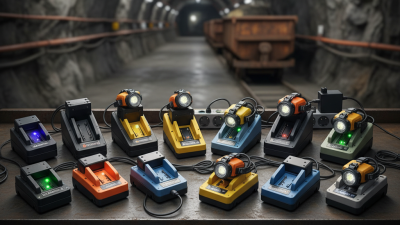
When considering the export of mining equipment, the Mining Lamp Charger stands out as a crucial component. Efficient charging solutions enhance the performance of mining lamps, ensuring safety and reliability in demanding environments. These chargers are designed to withstand harsh conditions while providing optimum power to keep mining operations running smoothly.
This article explores the top ten Mining Lamp Chargers available for export. Each option brings unique features that cater to various mining needs. Factors such as charging speed, durability, and compatibility play important roles in selecting the right charger.
While the market offers numerous options, not every charger ensures quality and safety. Evaluating the reliability of manufacturers is essential. Some products may fall short and require further testing. Understanding these variables will help in making a well-informed decision for effective mining operations.
Key Features to Look for in Mining Lamp Chargers
When selecting mining lamp chargers, several key features can impact performance and safety. First, consider the charging speed. A charger that offers rapid charging can save valuable time during shifts. Look for models that can fully charge in a few hours. This feature minimizes downtime for workers, ensuring they have reliable lighting.
Another critical aspect is durability. Mining environments can be harsh, with dust and moisture present. A robust charger should withstand these conditions without compromising safety. Look for water-resistant and impact-resistant designs. Additionally, a built-in overcharge protection mechanism is vital. This feature prevents overheating and extends the life of the lamp battery.
Portability is also important. A lightweight design ensures easy transport to various locations. However, some chargers may not have the storage capacity for multiple lamps. This limitation could affect the efficiency of charging multiple devices simultaneously. Evaluating user feedback on ease of use and reliability can provide valuable insights. Each feature contributes to the overall effectiveness of mining lamp chargers, making informed choices essential.
Top 10 Mining Lamp Chargers - Key Features Comparison
Types of Mining Lamp Chargers Available in the Market
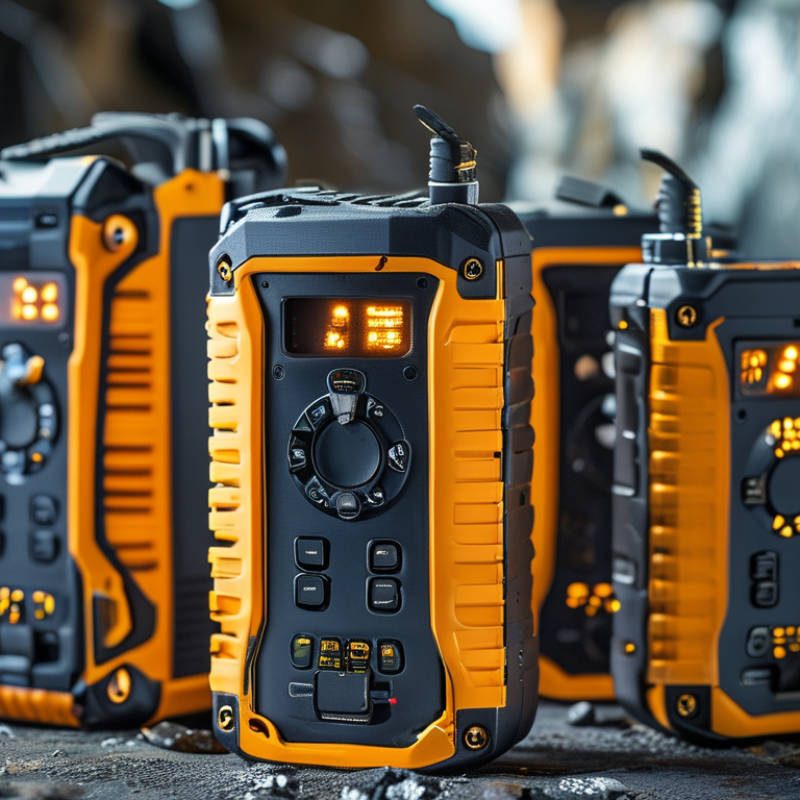
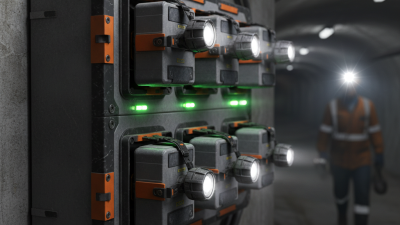
When it comes to mining lamp chargers, various types cater to different needs and preferences in the market. The most common types include portable chargers, wall-mounted chargers, and solar-powered options. Portable chargers are ideal for workers in remote areas. They offer flexibility and can be easily carried. Wall-mounted chargers, on the other hand, provide a stable power source. They are often used in fixed locations within mines. Solar-powered chargers are gaining popularity, especially in regions with abundant sunlight.
Each type of charger has its advantages and drawbacks. Portable chargers are convenient but may have limited battery life. Wall-mounted chargers can take up space, and they may not be versatile enough for all situations. Solar-powered chargers are eco-friendly but rely on weather conditions. It's essential to consider these factors when choosing a mining lamp charger. Assessing the specific environment of use, as well as the duration and intensity of use, plays a crucial role. Therefore, understanding one’s needs is vital in making the right choice that balances functionality and efficiency.
Top Manufacturers of Mining Lamp Chargers for Export
When considering the export of mining lamp chargers, it's essential to identify leading manufacturers in the industry. A recent report by the Mining Equipment Association shows that high-quality chargers significantly enhance lamp efficiency. Effective chargers not only prolong the lifespan of mining lamps but also provide safety in mines, where reliable lighting is crucial.
One notable aspect is the increasing demand for advanced technology in mining lamp chargers. A study highlighted that over 70% of mining operations seek chargers that offer rapid charging capabilities. This indicates a shift towards chargers that minimize downtime and maximize productivity. However, not all manufacturers meet these standards, which poses a challenge for exporters seeking quality.
Tips: Always evaluate the certifications of manufacturers. Look for ISO standards and compliance with safety regulations to ensure product reliability. Engaging with manufacturers that have a history of innovation can also lead to better long-term partnerships. Ensure your suppliers are transparent about their production processes and quality control measures for better reliability.
Top 10 Mining Lamp Chargers You Should Consider for Export
| Manufacturer |
Charging Time (hours) |
Battery Capacity (mAh) |
Output Voltage (V) |
Compatibility |
Export Regions |
| Manufacturer A |
4 |
3000 |
3.7 |
Types X, Y |
Asia, Europe |
| Manufacturer B |
3 |
2200 |
3.6 |
Types A, B |
North America |
| Manufacturer C |
5 |
4000 |
3.7 |
Type Z |
South America, Europe |
| Manufacturer D |
2 |
2500 |
3.8 |
Types X, Z |
Asia, North America |
| Manufacturer E |
6 |
5000 |
3.9 |
Types B, Y |
Europe, Africa |
| Manufacturer F |
4.5 |
2900 |
4.0 |
Type Y |
Asia, Europe |
| Manufacturer G |
3.5 |
3200 |
3.6 |
Types A, Z |
North America |
| Manufacturer H |
4 |
3800 |
3.7 |
Types X, Y |
Asia, Europe, Africa |
| Manufacturer I |
5.5 |
2600 |
3.5 |
Types B, Z |
Europe, South America |
| Manufacturer J |
3 |
3500 |
3.8 |
Types A, X |
Asia, North America, Europe |
Comparative Analysis of Charging Times and Efficiency
When considering mining lamp chargers for export, efficiency and charging time are crucial factors. Different chargers exhibit varying performance levels. Some chargers can fully recharge a lamp in under two hours, while others may take four or more. This discrepancy in charging times affects operational downtime for miners. In high-demand environments, a quick recharge can mean the difference between safety and risk.
Another aspect to explore is energy efficiency. Some chargers convert a significant amount of energy into heat rather than charging the lamp. This inefficiency not only wastes resources but can also lead to longer charging cycles. It's essential to assess the energy consumption of each charger. A well-designed charger minimizes energy loss. However, even the most efficient models may show inefficiencies in extreme conditions, thus necessitating careful consideration.
Testing various chargers in real-world scenarios can reveal unexpected shortcomings. Factors like temperature variations can impact both charging times and efficiency. There’s still a need for improvement in charger designs to enhance overall performance. Conducting thorough evaluations will allow for a more informed decision when selecting chargers for export.
Safety Standards and Certifications for Mining Lamp Chargers
When exporting mining lamp chargers, safety standards and certifications are critical.
These aspects ensure the chargers are reliable and safe for use in hazardous environments.
Compliance with international safety standards helps prevent accidents and enhances user confidence.
Key certifications to seek include
IECEx and ATEX, which confirm that equipment is suitable for explosive atmospheres.
These certifications demonstrate a commitment to engineering excellence.
Furthermore, it's essential to understand the variety of safety standards available. Each standard caters to different
international markets and environmental conditions. For instance, some chargers might require IP ratings
for dust and water resistance. Not having the proper certifications can deter potential buyers and lead to costly recalls.
An essential aspect of mining lamp charger design is user safety. Engaging with customers
about their experiences can reveal areas for improvement. Listening to feedback fosters innovation and addresses
real-world challenges. Reflecting on past experiences will also help improve future designs and maintain competitiveness
in the global market.