What is a Mining Slurry Pump and How Does It Work?
A Mining Slurry Pump is a crucial device in the mining industry. It transports a mixture of liquid and solid materials known as slurry. This slurry can consist of water, minerals, and other particles. Understanding how this pump operates can significantly enhance mining efficiency.
The Mining Slurry Pump works by creating a vacuum that pulls the slurry in. It utilizes centrifugal force to move the material through a series of pipes. These pumps are designed to handle abrasive and corrosive substances. However, they often face wear and tear due to the harsh conditions. This can lead to frequent maintenance, which is a challenge for many operations.
Mining often involves complex logistics. Efficient pumping solutions are essential for productivity. However, not all pumps meet the required standards. In many cases, companies may invest in subpar equipment. This can lead to frustrating breakdowns. Thus, understanding Mining Slurry Pumps is vital for success. Recognizing their importance encourages better decision-making in equipment selection.
What is a Mining Slurry Pump?
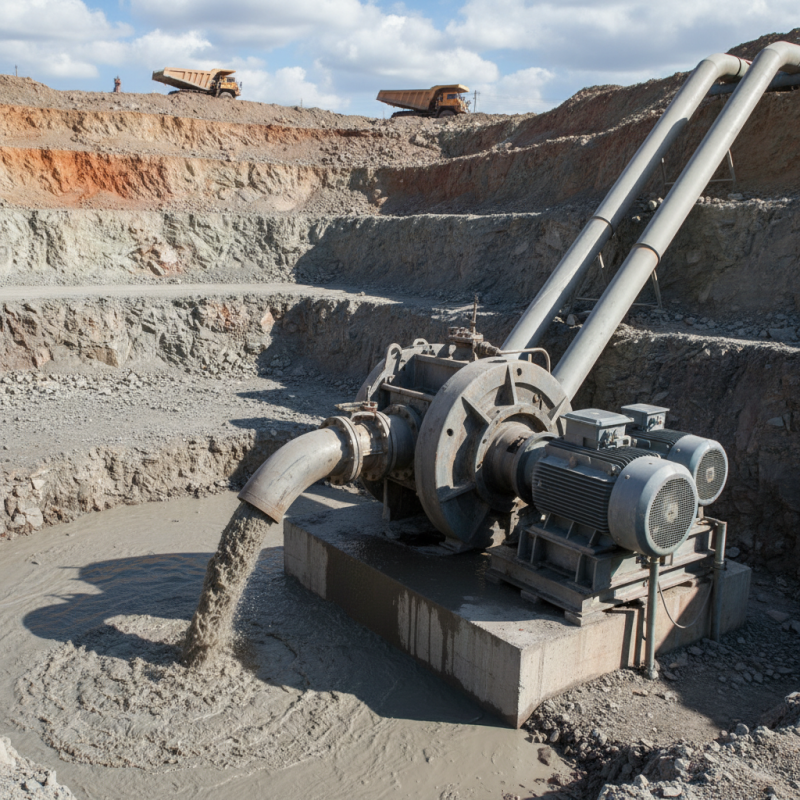
A mining slurry pump is a specialized pump designed for transporting highly abrasive and viscous mixtures of solids and liquids. These pumps are crucial in the mining industry, especially for moving slurry produced during the extraction process. The slurry often contains a mixture of water, minerals, and other materials, making it difficult to handle with standard pumps.
According to a report by the International Council on Mining and Metals, slurry pumps can face challenges when dealing with particle sizes exceeding 0.5 mm. The design of these pumps must accommodate the abrasive nature of the materials, which can lead to wear and tear. Regular maintenance is crucial, as failure to address issues can lead to major operational downtime. A study highlighted that more than 30% of pump failures are due to lack of proper maintenance.
Efficiency is key when it comes to mining slurry pumps. The effectiveness of a pump can be affected by various factors, including its materials and design. Some pumps may only operate at 60-70% efficiency if improperly selected. This inefficiency can lead to increased operational costs and resource waste. The ideal pump should match the specific slurry characteristics. Selecting the wrong type can have dire consequences, especially in regions with extreme mining conditions.
Mining Slurry Pump Performance Overview
This chart displays the performance metrics of a mining slurry pump, including flow rate, head, efficiency, and power consumption. The data represents typical values encountered in mining operations, providing insights into the operational characteristics of slurry pumps.
Key Components of Mining Slurry Pumps
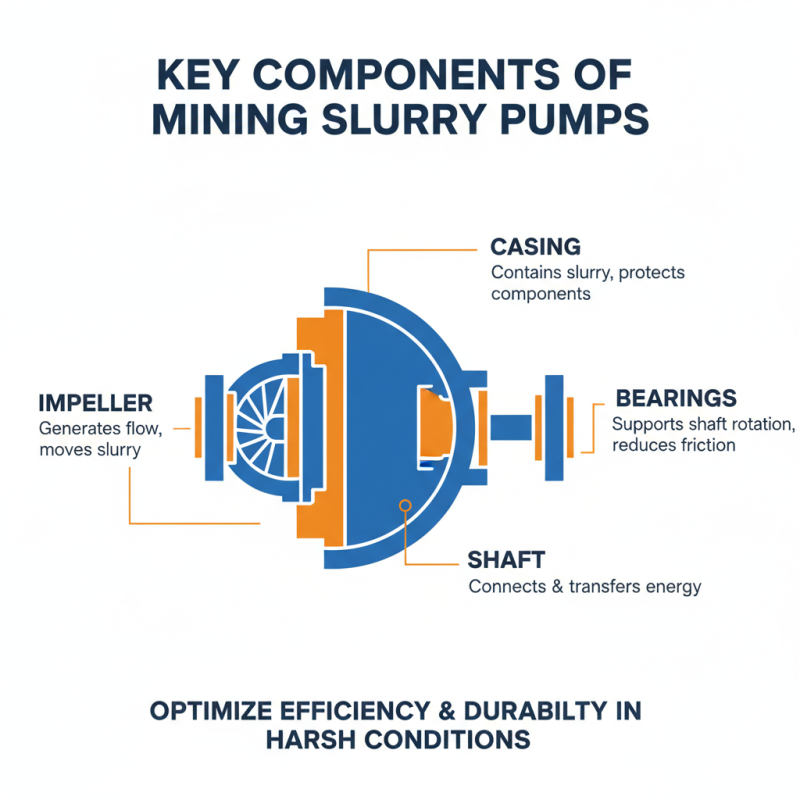
Mining slurry pumps are essential in moving mixtures of water and solid materials. Understanding their key components helps optimize their efficiency and durability. The main parts include the impeller, casing, shaft, and bearings. Each element plays a crucial role in maintaining performance under challenging conditions. The impeller generates flow, while the casing contains the slurry. The shaft connects these components and transfers energy, and bearings support the shaft’s rotation.
Choosing the right materials is vital for slurry pump longevity. High-chromium alloys and rubber linings offer better resistance against wear. Industry data suggests that nearly 40% of pump failures arise from abrasive materials. Regular maintenance and monitoring can significantly reduce downtime.
Tip: Ensure the pump is not running dry. This can cause severe damage. Also, consider installing wear sensors for early detection of issues. Small preventive measures might save significant repair costs later. Being proactive is key in maintaining functionality.
How Mining Slurry Pumps Function: The Mechanisms Involved
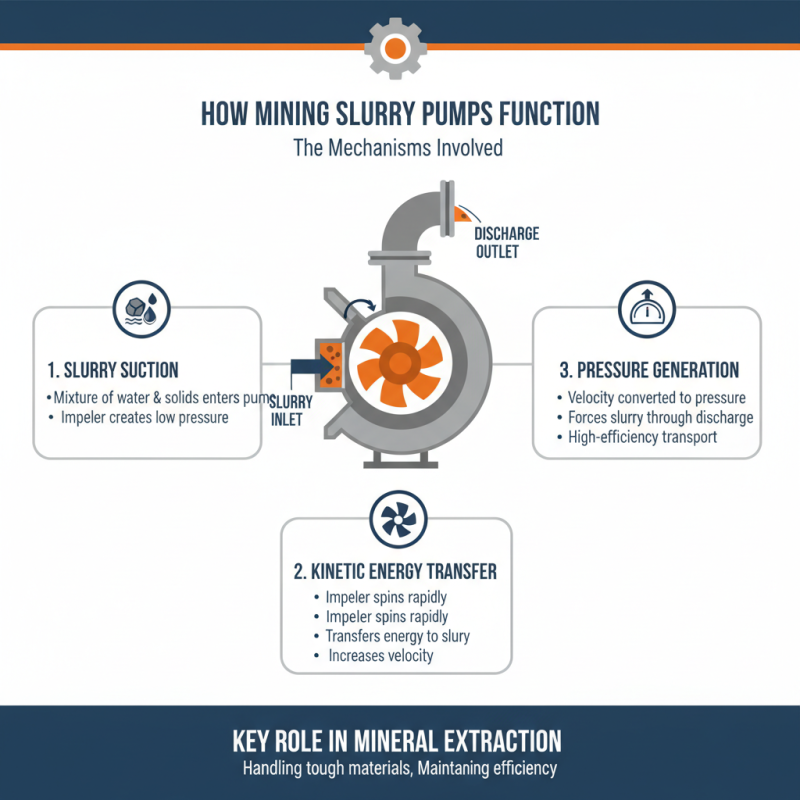
Mining slurry pumps play a crucial role in the extraction process. They transport a mixture of water and solid particles, known as slurry. This mixture can be quite thick and abrasive. Slurry pumps are designed to handle these challenging materials while maintaining efficiency.
The primary mechanism involves a rotating impeller. This component creates a centrifugal force that moves the slurry through the pump. As the impeller spins, it draws in the slurry and pushes it out through the discharge nozzle. The design of the pump minimizes wear, but it still faces challenges. For instance, harsh materials can cause premature degradation.
Understanding how these pumps function is not always straightforward. The dynamics of the slurry, including its density and viscosity, can affect performance. Operators sometimes overlook maintenance. Neglecting this can lead to inefficiencies or even failures. Regular inspection and timely repairs are essential for optimal function. Balancing efficiency and durability is key in mining operations.
Applications of Mining Slurry Pumps in the Industry
Mining slurry pumps play a crucial role in various sectors of the mining industry. These pumps transport liquid mixtures of water and solids, essential for processes like mineral extraction and tailings disposal. According to a recent market report, the global mining slurry pump market is expected to grow at a CAGR of 6.5% from 2021 to 2026. This indicates a rising demand for efficient and reliable pumping solutions.
In coal and mineral processing, slurry pumps are integral for transporting slurries. They help move ore slurries to processing plants. This function is vital. An inefficient pump can lead to increased operational costs and lower productivity. In addition to coal, other sectors like gold, copper, and iron mining also rely heavily on these pumps. Studies show that wear and tear on pump components can result in frequent maintenance. This becomes a significant concern in high-abrasion environments.
Slurry pumps are also used in waste management in mining operations. They regularly transport tailings for safe disposal or recycling. Despite advancements, issues like pump clogging and energy efficiency remain problematic. Operators need to monitor and adjust pump usage accordingly. Balancing efficiency and reliability is essential in maximizing output while minimizing costs and environmental impact.
Maintenance and Care for Mining Slurry Pumps
Mining slurry pumps are critical for transporting abrasive materials efficiently. However, proper maintenance is essential for their longevity and optimal performance. A report from the Mining Equipment Maintenance Institute highlights that poor maintenance can reduce pump efficiency by up to 30%. Regular inspections prevent unexpected failures and costly downtimes.
One vital upkeep task is checking the pump's wear parts. These components endure heavy stress and can wear out quickly. Tips for maintenance include inspecting seals and impellers for wear and replacing them timely. Small issues can turn into major problems if ignored. Consistent lubrication also extends part life. Ensuring lubricant levels are adequate can enhance pump efficiency significantly.
Be mindful of environmental factors impacting the pump. Temperature and acidity levels can affect the material integrity. Consider implementing a monitoring system to track these variables effectively. Regularly reviewing operational data can reveal trends that may require attention. Neglecting to adapt to these factors can stress the pump beyond its capabilities. With diligent care and proactive measures, the longevity of mining slurry pumps can improve dramatically.
What is a Mining Slurry Pump and How Does It Work? - Maintenance and Care for Mining Slurry Pumps
| Dimension |
Description |
Significance |
| Pump Type |
Centrifugal Slurry Pump |
Designed to handle abrasive and heavy slurries |
| Applications |
Mining, Mineral Processing, Dredging |
Essential for transporting slurry materials quickly and efficiently |
| Key Components |
Impeller, Casing, Shaft |
Critical for the pump's operational efficiency and performance |
| Maintenance Frequency |
Weekly Inspection, Monthly Overhaul |
Prevents breakdowns and extends lifespan |
| Operational Temperature |
Up to 85°C (185°F) |
Ensures pump materials do not degrade |
| Common Issues |
Wearing of parts, Clogging, Seal Failure |
Affects performance, efficiency, and operational costs |