


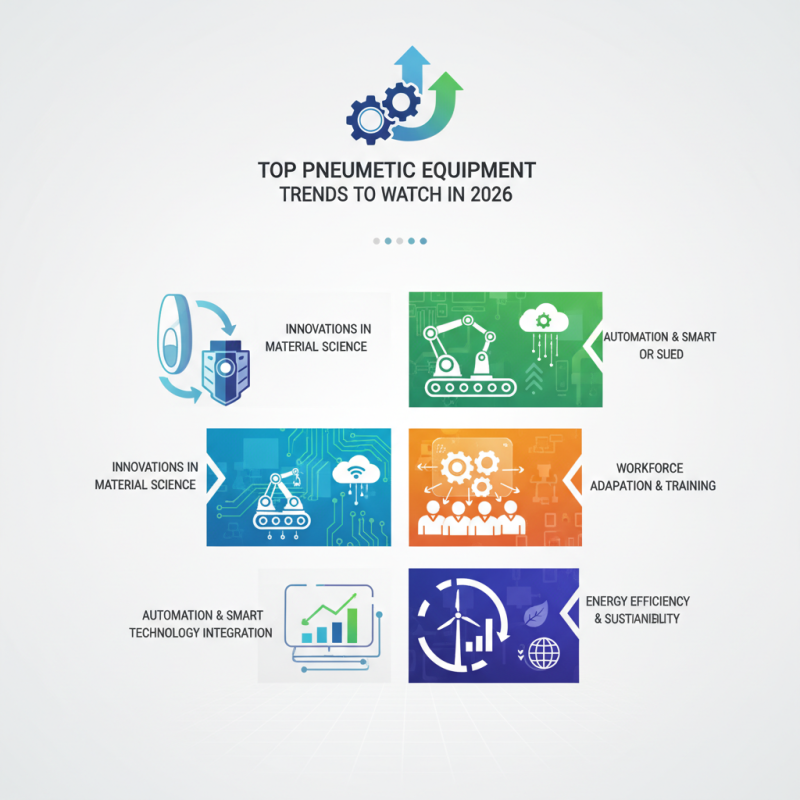
The landscape of Pneumatic Equipment is evolving rapidly. As we approach 2026, several key trends are emerging that will shape the industry. These trends reflect advancements in technology, efficiency, and sustainability.
Innovations in material science are leading to lighter, more durable pneumatic components. This shift enhances performance, particularly in demanding environments. Furthermore, automation and smart technology integration are becoming commonplace. These advancements not only streamline operations but also reduce manual labor costs significantly.
However, the transition is not without challenges. Companies must adapt to a changing workforce and invest in training. This investment is crucial for maximizing the benefits of new technologies. Businesses also face increased competition and demand for energy-efficient solutions. Understanding these dynamics is essential for stakeholders in the Pneumatic Equipment sector. Keeping abreast of trends will ensure companies remain competitive and meet customer needs effectively.
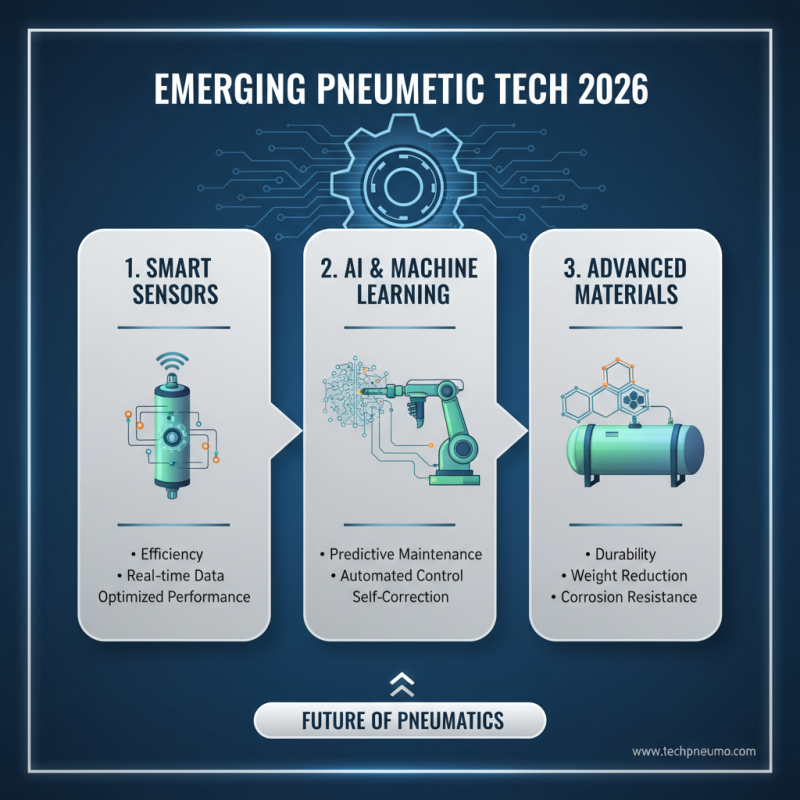
The pneumatic equipment industry is evolving rapidly. Emerging technologies are shaping its future, especially as we approach 2026. One notable trend is the integration of smart sensors. These sensors enhance efficiency and streamline operations. They provide real-time data, helping to optimize performance.
Another exciting development is the use of advanced materials. Lightweight composites can improve durability while reducing energy consumption. This shift might lead to more sustainable practices in pneumatic systems. However, manufacturers must carefully balance cost and performance when adopting these materials.
Artificial intelligence is also gaining traction. AI can predict maintenance needs, reducing downtime significantly. Yet, there are challenges to overcome. Companies may face resistance to adopting these technologies due to cost. It's crucial to remember that innovation often comes with hurdles. The path to a smarter, more efficient pneumatic system is not always straightforward.
The rise of Industry 4.0 is reshaping pneumatic systems. Connected devices and smart sensors are becoming essential. These advancements enable real-time data collection, enhancing efficiency. Streamlining operations attracts attention from various sectors.
However, challenges remain. Not all manufacturers can adapt quickly. Integration of new technology into existing systems may lead to complications. Some may face resistance from employees uncomfortable with change. It’s crucial to invest in training programs to bridge this gap.
Moreover, safety concerns need addressing. Smart systems must prioritize secure data handling. Vulnerabilities in connected equipment can cause major disruptions. As pneumatic systems evolve, stakeholders must remain vigilant in ensuring reliability and performance.
The pneumatic equipment industry is undergoing a significant transformation driven by sustainability. By 2026, a major trend will focus on designing equipment that minimizes environmental impact. Reports indicate that sustainable design can reduce energy consumption by up to 30%. This shift aligns with increasing regulations and the industry's commitment to reducing carbon footprints.
Materials used in pneumatic equipment are also evolving. Manufacturers are exploring alternatives to traditional materials. For instance, using recyclable composites and lightweight alloys can enhance efficiency and reduce waste. Research forecasts that sustainable materials will constitute 25% of the market by 2026. However, the challenge remains in balancing performance with ecological benefits.
Moreover, energy efficiency is becoming a top priority. A recent study found that implementing energy recovery systems in pneumatic systems can save up to 40% on energy costs. Despite these advancements, many companies still rely on outdated technologies. Adopting smarter, more sustainable solutions requires a cultural shift within organizations. The commitment to sustainability is not just about compliance; it's about driving innovation and efficiency in pneumatic equipment design.
The evolution of materials used in pneumatic equipment is shaping the industry significantly. Advanced composites, lightweight alloys, and polymers are enhancing the durability and efficiency of pneumatic systems. These materials offer reduced weight and increased resistance to wear and corrosion. As a result, manufacturers can design more compact and powerful devices.
However, the shift to these advanced materials is not without challenges. The manufacturing process can be more complex and costly. There is a learning curve when integrating new materials into existing systems. Companies may struggle with the transition from traditional materials. It is vital to balance innovation with practicality to avoid disruptions.
Moreover, the environmental impact of material production is an ongoing concern. Sustainable sourcing and recycling processes must be prioritized. As industry standards evolve, companies must adapt to new regulations. This is a process requiring careful consideration and adjustment. There is much room for improvement in the adoption of innovative materials. The future of pneumatics depends on overcoming these hurdles while fully harnessing material advancements.
| Trend | Description | Impact on Industry | Materials Used |
|---|---|---|---|
| Smart Pneumatics | Integration of IoT technologies in pneumatic systems for real-time monitoring. | Enhanced efficiency and predictive maintenance capabilities. | Advanced sensors, lightweight composites. |
| Eco-friendly Materials | Increasing use of sustainable materials in pneumatic design. | Reduced environmental impact and compliance with regulations. | Biodegradable plastics, recycled metals. |
| Lightweight Components | Shift towards lighter materials to improve efficiency and portability. | Lower energy consumption and easier handling. | Aluminium alloys, high-strength plastics. |
| Modular Systems | Growth in modular pneumatic systems for flexibility and scalability. | Quick adaptation to changing production needs. | Durable engineering plastics, modular fittings. |
| Automation and Robotics | Increased use of pneumatic actuators in automated systems. | Enhanced precision and speed in manufacturing processes. | Air-quality materials, robust metals. |
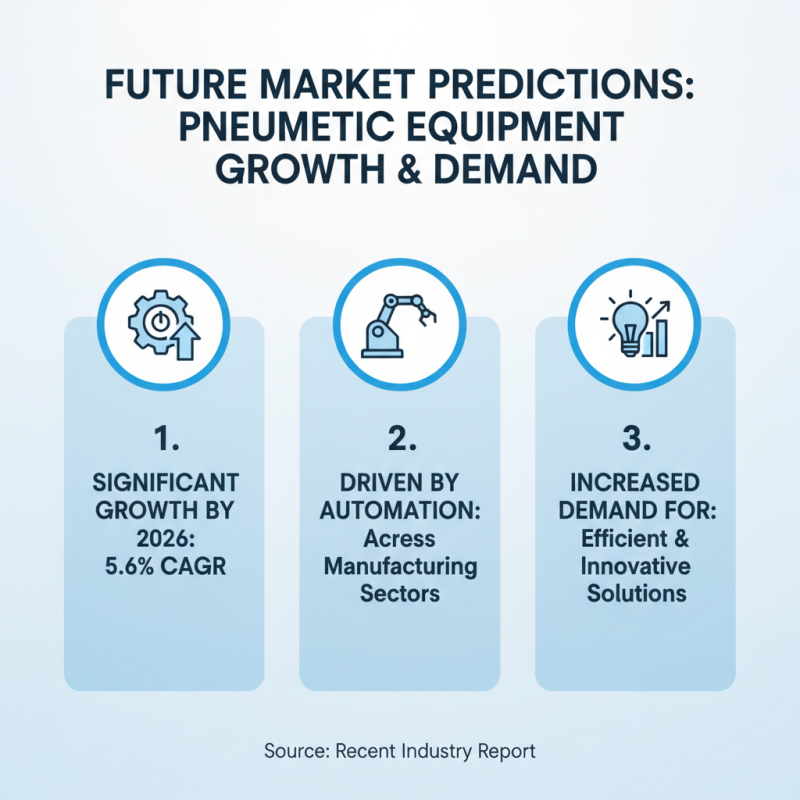
Pneumatic equipment is poised for significant growth by 2026. According to a recent industry report, the market for pneumatic systems is expected to expand at a CAGR of 5.6%. This growth is driven by increases in automation across manufacturing sectors. Companies are increasingly seeking efficient solutions to boost productivity. As demand rises, innovative designs will become crucial.
One key trend involves integration with IoT technology. Smart pneumatic equipment can enhance real-time monitoring. This allows for timely maintenance and reduces downtime. The focus on sustainability also influences market dynamics. Organizations are pressured to adopt eco-friendly practices. Yet, not all companies have embraced these changes. There can be a reluctance to invest upfront in such technologies. This hesitation might slow potential advancements.
Tips for organizations: assess your current equipment. Determine areas where smart technology can be integrated. Invest in training for your workforce to maximize these new systems. Embracing change is vital for future growth. Moreover, explore partnerships with tech firms to enhance capabilities. Many firms could benefit from collaboration in this rapidly evolving landscape.