What is a Pneumatic Jumbolter and How Does it Work?
The Pneumatic Jumbolter is a specialized tool used in the mining industry. It plays a critical role in enhancing productivity and safety. According to a report by the International Council on Mining and Metals, equipment efficiency can significantly impact mine profitability. The Pneumatic Jumbolter helps in drilling large-diameter holes for blasting, which can improve ore recovery.
This equipment operates using compressed air, minimizing electrical risks. The use of the Pneumatic Jumbolter is vital in underground operations where space is limited. In states like Nevada, about 70% of mines utilize such pneumatic systems for various drilling applications. However, challenges remain around maintenance and wear rates of components.
Despite its advantages, operators must contend with the complexities of pneumatic systems. Misalignment in drilling can lead to inefficiencies and costly rework. Statistics show that even minor errors can increase operational costs by 10%. Continuous training is essential to mitigate these risks and maximize the benefits of using a Pneumatic Jumbolter.
What is a Pneumatic Jumbolter?
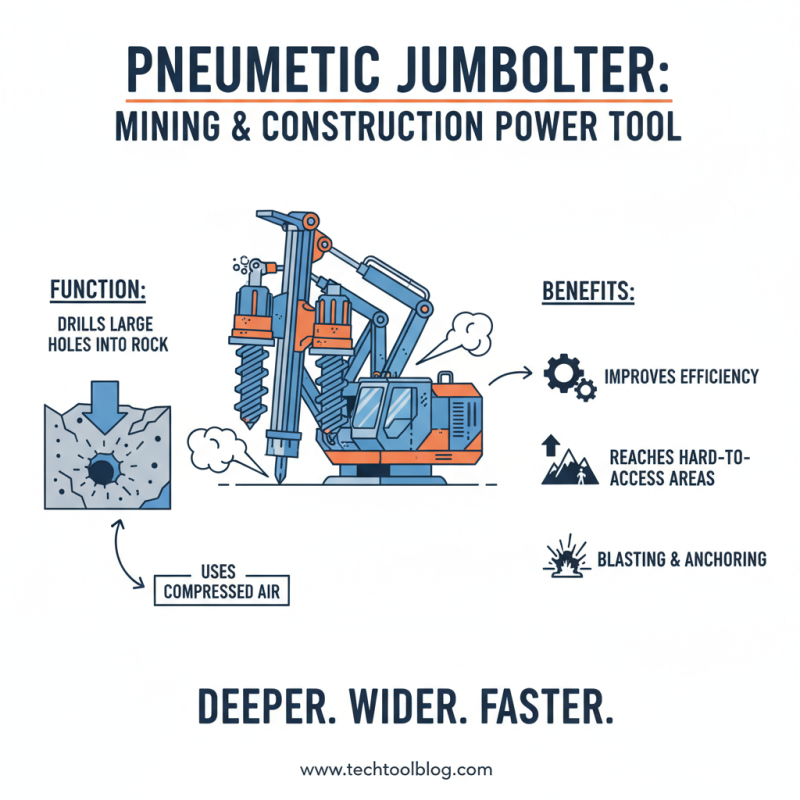
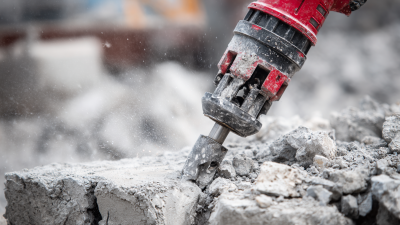
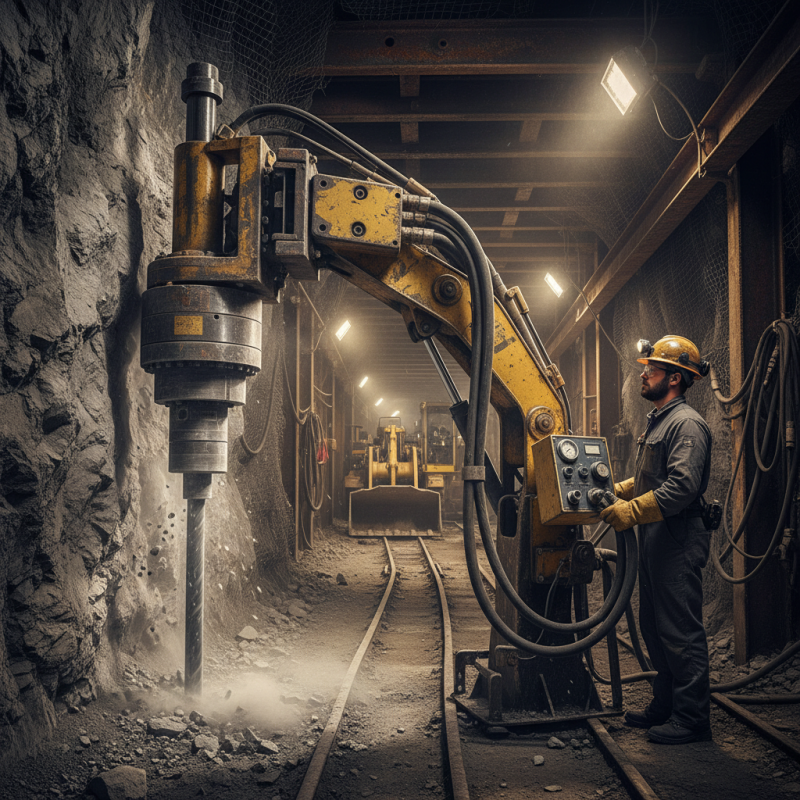
A pneumatic jumbolter is a powerful tool used in mining and construction. It operates by effectively drilling large holes into rock surfaces. By utilizing compressed air, it achieves significant depth and width for blasting or anchoring purposes. This machine improves efficiency and helps miners reach hard-to-access areas.
The design of a pneumatic jumbolter is fascinating. It typically includes a strong framework, a rotating drill bit, and a pneumatic system to provide power. As it drills, the operator must ensure proper alignment and pressure. Any miscalculation can lead to inefficient drilling or damage to surrounding structures. Workers often face challenges in harsh environments, making maintenance crucial.
Despite its advantages, the pneumatic jumbolter is not without flaws. The noise level can be high, posing risks to hearing. Additionally, the dust produced during drilling can complicate the working environment. Operators need to balance between speed and safety. Reflecting on these aspects is vital for improving future designs and operations.
Key Components of a Pneumatic Jumbolter
A pneumatic jumbolter is a piece of equipment used in mining and construction. It aids in drilling into solid rock. The primary components of a pneumatic jumbolter include the drill motor, air compressor, and drilling bit. Each part plays a vital role in its operation.
The drill motor powers the jumbolter, allowing it to penetrate hard surfaces. It requires high torque to function effectively. The air compressor supplies the necessary compressed air to the drill motor. This air pressure is essential for both drilling and cleaning the work area. Many might overlook the importance of maintenance for these components, yet neglect can lead to breakdowns.
The drilling bit is where the real action happens. Different types of bits exist, designed for various geological conditions. Choosing the right bit is critical but often overlooked. Operators need to consider the rock type and hardness. This decision affects efficiency and overall performance. Sometimes, it’s easy to forget that even the best machines need regular checks. Each component must be inspected to avoid costly delays and ensure safety on-site.
What is a Pneumatic Jumbolter and How Does it Work?
| Component |
Description |
Function |
| Air Compressor |
Generates compressed air to power the jumbolter. |
Provides the necessary air pressure for operation. |
| Control System |
Electronics that manage the jumbolter's operations. |
Controls the drilling and bolting processes. |
| Drill Head |
The rotating part that drills holes in the rock. |
Creates holes for bolt placement. |
| Bolting Mechanism |
Applies fasteners to the drilled holes. |
Secures rock structures to prevent collapse. |
| Hydraulic System |
Uses hydraulic fluid to power certain functions. |
Enhances operational efficiency and precision. |
How Pneumatic Jumbolters Operate Mechanically
Pneumatic jumbolters play a crucial role in various construction and mining operations. These machines utilize compressed air to drive a hammer mechanism. This allows for efficient drilling into tough materials. With a power output of around 1-2 horsepower, they can penetrate rock more effectively than manual methods. Recent reports indicate that pneumatic tools like jumbolters can increase productivity by 30-50% in drilling tasks.
The mechanical operation of pneumatic jumbolters involves several key components. Air compression generates high-pressure energy, which is then converted into kinetic energy. This energy drives a heavy hammer that strikes the drill bit repeatedly. Each impact delivers substantial force, enabling faster completion of drilling depths. Notably, many users have reported issues with air leaks. Such leaks can significantly reduce efficiency and output.
Additionally, while jumbolters are effective, they require regular maintenance to ensure optimal performance. Dust and debris often interfere with the mechanism, leading to consistent failures. Studies show that a poorly maintained pneumatic system can lose up to 15% of its effectiveness. Regular checks and timely repairs are critical to prevent these setbacks. The importance of proper training for operators cannot be overstated. Without adequate knowledge, accidents and inefficiencies can arise.
Applications of Pneumatic Jumbolters in Industry
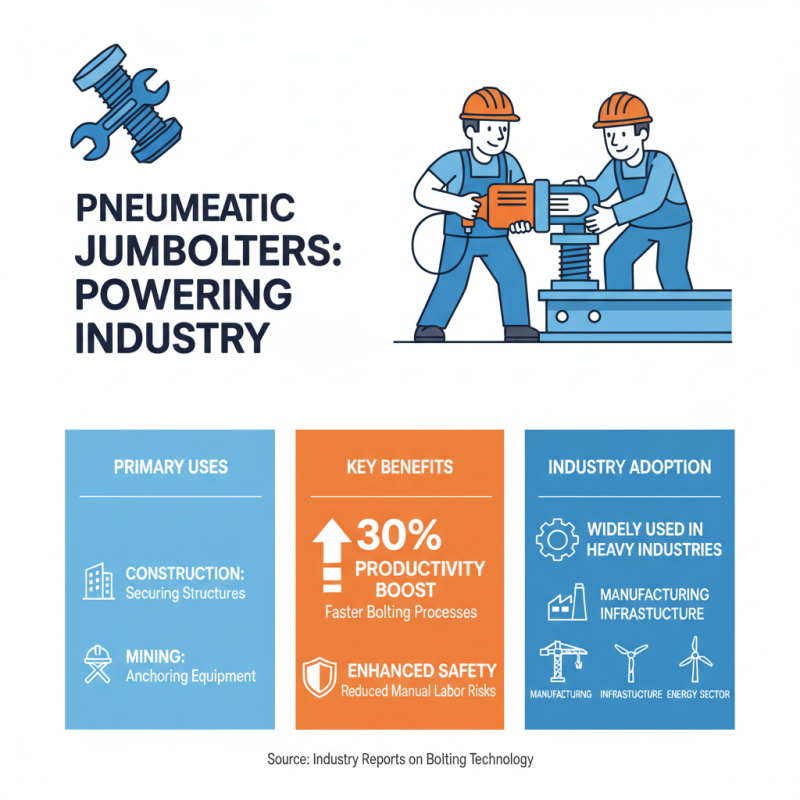
Pneumatic jumbolters are widely used in various industries, particularly in construction and mining. These powerful tools efficiently handle large bolts, primarily securing structures and equipment. According to industry reports, pneumatic jumbolters can increase productivity by up to 30% in tasks involving bolting processes. They minimize manual labor risks, making environments safer.
In the construction sector, pneumatic jumbolters significantly enhance installation times. They are essential for connecting large steel beams in skyscraper projects. Similarly, in mining, they enable the rapid assembly of machinery, ensuring operational efficiency. The versatility of pneumatic jumbolters also allows for adaptation in tight spaces.
Tips: Always ensure proper maintenance of your pneumatic jumbolter. Clean the equipment regularly to prevent air leaks. Consider training for operators; skillful users can minimize errors. The initial cost might be substantial, but the long-term benefits often outweigh these expenses.
Benefits of Using Pneumatic Jumbolters in Operations
Pneumatic jumbolters are vital tools in various industries. They improve efficiency and safety in operations. Using compressed air, they drive fasteners into materials like rock and concrete with speed and precision. This can significantly reduce the time it takes to complete a project.
One key benefit of pneumatic jumbolters is their ability to enhance productivity. According to a report by the International Association of Drilling Contractors, pneumatic tools can increase operational speed by up to 30%. This means projects can finish faster, allowing teams to move on to the next task. Reduced crew fatigue is another advantage, as these tools require less physical effort than manual options.
Tip: Regular maintenance can prolong the lifespan of your jumbolter. Look for air leaks and ensure parts are lubricated effectively.
Furthermore, pneumatic systems generally generate less vibration compared to mechanical tools. This can reduce the risk of injuries, such as hand-arm vibration syndrome, which affected 15% of workers in the industry last year. However, proper training is essential. Misuse can lead to accidents.
Tip: Always follow safety protocols when operating pneumatic tools. This can prevent serious injuries and help maintain a safe working environment.