Top 10 Electric Rock Drills for Efficient Demolition and Construction
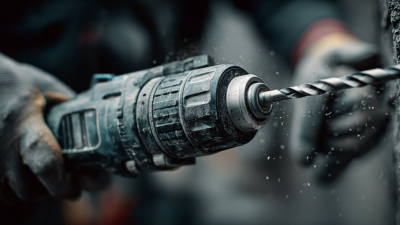
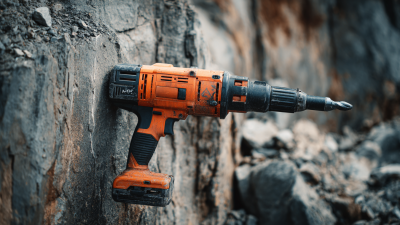
In the realm of construction and demolition, the Electric Rock Drill has emerged as an indispensable tool, streamlining processes and enhancing efficiency. According to renowned industry expert Dr. Andrew Mitchell, "The Electric Rock Drill revolutionizes the way we approach heavy-duty tasks, combining power and precision in a single device." As construction projects become more demanding, the reliance on advanced machinery like Electric Rock Drills has grown significantly.
The capability of Electric Rock Drills to penetrate hard surfaces with ease not only saves time but also reduces labor costs, making them a favored choice among contractors. These drills are engineered to deliver exceptional performance in various environments, from residential renovations to large-scale demolition tasks. By examining the top ten Electric Rock Drills available today, we can discover the tools that are setting new standards in the industry, ensuring that professionals are equipped to tackle the challenges of modern construction.

Top Features to Consider in Electric Rock Drills for Demolition
When selecting an electric rock drill for effective demolition and construction, several key features should be top of mind to ensure maximum efficiency and safety. Power output is a critical factor, as drills with higher wattage can deliver greater impact energy, which is essential for breaking through concrete and other tough materials.
According to industry reports, electric rock drills with a power rating of 1,500 watts or more can significantly reduce job completion time by up to 30% compared to lower wattage models. Furthermore, the torque delivered by the drill directly affects its performance in heavy-duty applications, making high-torque models preferable for rigorous demolition tasks.
Another essential feature to consider is the tool's weight and ergonomics. Lighter drills provide better maneuverability, which can be a major advantage in tight spaces. However, they should still maintain a robust structure to withstand challenging environments. Industry surveys indicate that drills weighing around 10-15 pounds are ideal for balancing mobility and performance. Additionally, vibration dampening systems are increasingly being integrated into modern electric rock drills. These systems not only enhance the user’s comfort during prolonged use but also minimize fatigue and the risk of injury.
Considering these features can lead to selecting an electric rock drill that not only meets the demands of the job but also promotes worker safety and satisfaction.
Comparison of Power Ratings: Understanding Voltage and Wattage
When selecting an electric rock drill for demolition and construction projects, understanding power ratings is crucial. The two critical measurements that determine the performance of these tools are voltage and wattage. Voltage, expressed in volts (V), indicates the potential electrical energy available to the drill. A higher voltage typically means more powerful performance, allowing the drill to penetrate tougher materials. For instance, drills with a voltage range of 18V to 60V are commonly seen in the market, providing options for light to heavy-duty applications.
Wattage, measured in watts (W), represents the total power consumption of the drill. Higher wattage translates to greater efficiency and the ability to sustain heavy workloads without overheating. A drill with around 600W to 1500W can handle various tasks effectively, with the right wattage ensuring that you can maintain performance under demanding conditions. It is essential to consider both voltage and wattage together, as they determine not just the energy consumption but also the overall capability of the drill to perform various tasks like drilling through concrete, masonry, or rock. Understanding these ratings allows users to effectively choose a tool that meets their specific needs, ensuring efficient demolition and construction.
Battery Life and Charging Time: Key Specs for Efficient Usage
When it comes to selecting electric rock drills for demolition and construction,
battery life and
charging time are crucial factors that can significantly impact efficiency.
A drill with a longer battery life allows users to work for extended periods without interruption, minimizing downtime.
This is particularly vital in large-scale projects where consistent operation is necessary to meet deadlines.
Opting for drills that feature high-capacity batteries
ensures that the tool remains operational even during demanding tasks.
Equally important is the charging time.
A drill that offers rapid charging capabilities can quickly return to service after depleting its battery.
This is especially beneficial for professionals who require flexibility and minimal hold-up in their workflow.
Many modern electric rock drills now incorporate advanced technology
allowing for fast charging without compromising battery health.
By prioritizing drills with a favorable balance of battery life and efficient charging,
users can enhance their productivity and ensure that their demolition or construction projects
progress smoothly.
Weight and Ergonomics: Impact on User Comfort & Control
When selecting an electric rock drill, two critical factors that significantly influence user experience are weight and ergonomics. A well-balanced drill that is not overly heavy allows for extended usage without causing fatigue. This is particularly important in demolition and construction scenarios where tasks may last for several hours. Heavier models can lead to discomfort and strain, particularly on the arms and wrists, ultimately affecting precision and efficiency. Users should look for drills that distribute weight evenly, making them easier to handle even in challenging positions.
Ergonomics plays an equally vital role in ensuring that users maintain control and comfort during operation. Features such as rubberized grips, adjustable handles, and trigger placements designed for natural hand positioning enhance the overall experience. Drills that conform to the natural curve of the hand allow for better grip and dexterity, reducing the risk of slips and accidents. When a rock drill is designed with user comfort in mind, it not only improves performance but also promotes safety, allowing for more focused and productive work sessions. Choosing the right combination of weight and ergonomic design can lead to higher efficiency and less physical strain, making a significant difference on the job site.
Durability and Material Design: Ensuring Longevity in Tough Environments
When it comes to electric rock drills, durability and material design play a crucial role in their effectiveness and longevity, especially in tough environments. The materials used in the construction of these drills significantly impact their performance and resilience. High-quality metals, reinforced plastics, and advanced composites provide not only strength but also resistance to wear and corrosion. These features ensure that the drills can withstand the rigors of demolition and construction work, where exposure to harsh conditions is a given.
Moreover, ergonomic design is essential for maintaining user comfort and reducing fatigue during prolonged use. An electric rock drill should have a balanced weight distribution and a grip designed to minimize vibrations, resulting in a safer and more efficient operation. Additionally, incorporating features such as dust seals and protective casings can further enhance the tool’s lifespan by preventing the ingress of debris and moisture, which can lead to malfunction or damage over time. By prioritizing durability and intelligent material design, electric rock drills can meet the demanding needs of professionals and ensure reliability on every job site.
Top 10 Electric Rock Drills for Efficient Demolition and Construction
| Model |
Power (W) |
Weight (kg) |
Drilling Depth (mm) |
Material Compatibility |
Durability Rating |
| Model A |
1500 |
8.5 |
300 |
Concrete, Stone |
5/5 |
| Model B |
1200 |
7.0 |
250 |
Brick, Asphalt |
4.5/5 |
| Model C |
1800 |
9.2 |
350 |
Concrete, Metal |
5/5 |
| Model D |
1100 |
6.5 |
200 |
Wood, Plastic |
4/5 |
| Model E |
1600 |
8.0 |
320 |
Concrete, Drill Steel |
4.8/5 |
| Model F |
1400 |
7.5 |
270 |
Stone, Concrete |
4.7/5 |
| Model G |
1750 |
9.0 |
330 |
Concrete, Stone |
5/5 |
| Model H |
1300 |
7.2 |
250 |
Wood, Drywall |
4.2/5 |
| Model I |
1150 |
6.0 |
220 |
Concrete, Masonry |
3.5/5 |
| Model J |
1500 |
8.3 |
300 |
Steel, Concrete |
5/5 |