Best Hydraulic Drill Rig Options for Global Buyers?
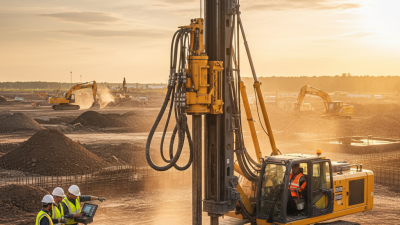
When exploring the landscape of hydraulic drilling technology, the right equipment can make all the difference. The Hydraulic Drill Rig stands out as a key component in various industries, from construction to mining. With numerous options available, global buyers face a significant decision. Each rig offers unique features and capabilities, ensuring they meet a range of operational needs.
Choosing the best hydraulic drill rig requires careful consideration of several factors. Durability, efficiency, and ease of use play crucial roles. Furthermore, potential buyers need to evaluate the manufacturer's reputation and support services. Despite the plethora of options, not every Hydraulic Drill Rig will suit every application perfectly. Understanding the specific requirements can lead to better investment outcomes.
As buyers navigate this complex market, they must also reflect on their choices. Are the selected features genuinely beneficial? Will they enhance productivity? These questions matter. By focusing on reliable sources and expert recommendations, buyers can make informed decisions. A well-chosen hydraulic drill rig can ultimately boost project success rates in an ever-evolving industry.
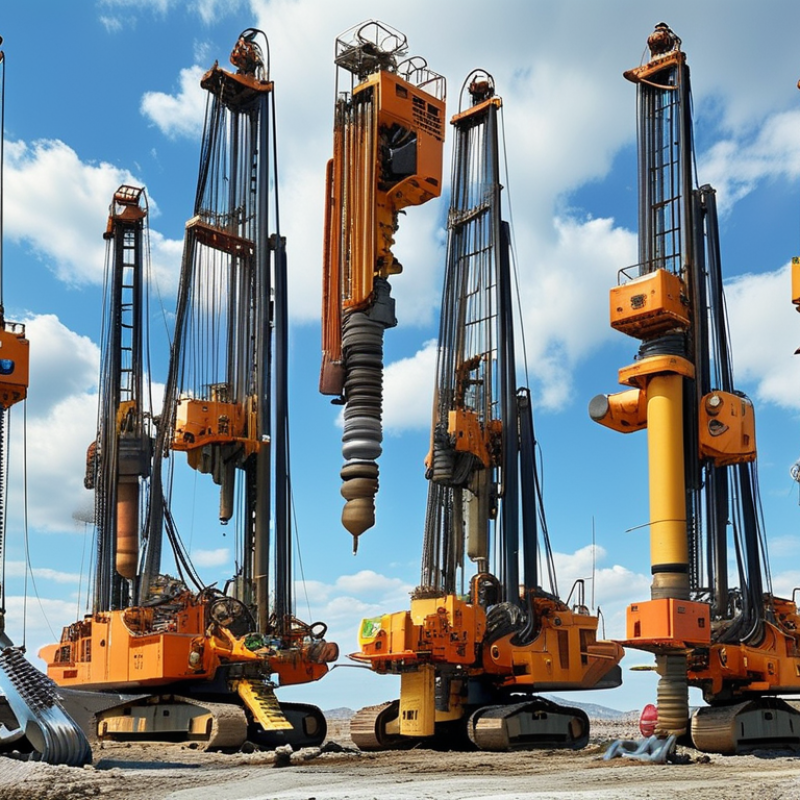
Best Hydraulic Drill Rig Options for Global Buyers
When considering hydraulic drill rigs, global buyers should focus on key features that drive performance. A recent industry report indicates that the demand for efficient and versatile drill rigs has surged by 15% annually. Buyers need to evaluate options based on power, mobility, and durability. Not all rigs fit every project. Some may excel in urban environments but lack mobility in rough terrains.
Investing in a hydraulic drill rig means considering not just cost but also total lifecycle value. Reports show that maintenance can account for up to 30% of the total ownership cost. Rigs with a modular design often prove easier to maintain, reducing downtimes. Data suggest that rigs with advanced hydraulic systems increase drilling speeds by up to 25%. This efficiency translates into significant savings over time.
Another aspect is the operator's training. Well-trained personnel can optimize the rig's capabilities, minimizing errors. A study suggests that proper training improves operational safety and efficiency by 40%. Yet, many companies underestimate this. Overlooking training can lead to increased costs and project delays. The market continues to evolve, presenting opportunities for continuous improvement in rig technology.
Overview of Hydraulic Drill Rigs: Types and Applications in Mining
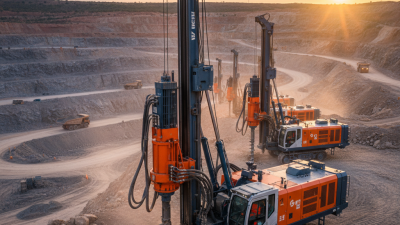
Hydraulic drill rigs play a crucial role in mining operations. They vary in type and application, catering to diverse mining environments. For surface mining, rotary drills are common, allowing for deep, efficient drilling. In underground mines, downhole hammers are often preferred for their effectiveness in hard rock conditions.
Research indicates that the hydraulic drill rig market is projected to grow by 7.6% annually through 2030. This growth reflects the rising demand for minerals and natural resources. The versatility of hydraulic drill rigs enhances their appeal. They can be used for exploration, production, and even in environmental projects. Each type offers unique advantages, but the choice depends on specific operational needs.
Despite the advancements, challenges persist. Equipment maintenance is critical, and even minor issues can halt operations. Furthermore, the initial investment in high-quality rigs can be substantial. Buyers must weigh these costs against long-term benefits. Balancing efficiency with budget constraints remains a key consideration for mining operations globally.
Key Features to Consider When Selecting a Hydraulic Drill Rig
When selecting a hydraulic drill rig, several key features come into play. The power output of the rig is crucial. A higher power rating often means better performance in tough conditions. Consider the torque as well, as this affects the drilling efficiency. Choose rigs that allow for easy adjustments. This makes it easier to adapt to varied geological conditions. Portable designs can enhance mobility, making the rig more versatile on different job sites.
Another aspect is durability. A robust design can withstand harsh environments and prolonged use. Look for materials that resist wear and corrosion. Hydraulic systems should be reliable. They should function well under high pressure without frequent failures. Additionally, user-friendly controls can improve overall efficiency. Operators with varied skill levels must manage the equipment effectively.
Maintenance requirements also matter. A rig that is easy to service will save time and money. Consider how parts are accessed for repairs. Finally, think about training resources available. Good support can ensure your team fully understands the rig's operation. Without proper knowledge, even the best equipment risks underperformance. Prioritize these features to make an informed choice.
Best Hydraulic Drill Rig Options for Global Buyers
| Model |
Weight (kg) |
Drilling Depth (m) |
Power (HP) |
Mobility |
Key Features |
| Model A |
500 |
30 |
150 |
Crawler |
Compact design, Easy to transport |
| Model B |
750 |
40 |
200 |
Wheeled |
High drilling efficiency, Multi-purpose usage |
| Model C |
600 |
35 |
180 |
Stationary |
Robust construction, Suitable for tough conditions |
| Model D |
850 |
50 |
250 |
Crawler |
Advanced hydraulic system, Enhanced stability |
Comparative Analysis of Leading Hydraulic Drill Rig Manufacturers
When exploring hydraulic drill rig options, it’s essential to analyze the leading manufacturers in the field. According to industry reports, the global demand for hydraulic rigs is expected to reach approximately $7 billion by 2025. This growth stems from rising construction activities and resource extraction initiatives worldwide.
The comparative analysis of various manufacturers reveals notable variances in technology and efficiency. Some companies focus heavily on innovation, leading to machines with advanced automation features. For instance, rigs equipped with real-time monitoring systems have shown to increase operational efficiency by up to 30%. However, not all manufacturers invest equally in this technology. Lack of transparency in performance data raises questions about reliability and efficiency.
Operating costs and maintenance requirements also vary widely among manufacturers. Reports indicate that units requiring frequent servicing can lead to increased downtime, frustrating contractors. A notable trend is the shift toward environmentally friendly options, which some manufacturers have embraced while others lag behind. This trend raises questions about long-term competitiveness. Balancing initial costs against potential savings remains a challenge for buyers navigating the rig market.
Best Hydraulic Drill Rig Options for Global Buyers
This chart displays a comparative analysis of various hydraulic drill rig options based on their performance metrics such as drilling depth, speed, and operational efficiency.
Industry Trends: Innovations in Hydraulic Drill Technology
The hydraulic drill technology landscape is rapidly evolving. Recent reports indicate that the global hydraulic drilling market is expected to grow by over 7% annually through 2028. This surge is driven by advancements in design and performance.
Key innovations include the integration of automation and smart technologies. These features enhance precision and efficiency. A notable trend is the development of eco-friendly hydraulic fluids. These fluids not only lower environmental impact but also improve operational safety. The challenge remains in balancing cost with performance benefits. Manufacturers must ensure that these new technologies do not significantly increase initial investment.
Adoption rates are still variable across regions due to differing regulations and market maturity. While North America leads in advanced hydraulic technologies, emerging markets are starting to catch up. This disparity highlights a need for tailored approaches to penetrate new markets. Companies may struggle with training and adapting their workforce to new systems. As the industry evolves, remaining agile and informed will be crucial for stakeholders.
Conclusion
The article "Best Hydraulic Drill Rig Options for Global Buyers" provides a comprehensive overview of hydraulic drill rigs, emphasizing their various types and applications within the mining sector. It discusses key features that buyers should consider when selecting a hydraulic drill rig, such as performance capabilities, versatility, and durability. The comparative analysis of leading manufacturers helps potential buyers understand the competitive landscape of hydraulic drill rigs, while the exploration of industry trends highlights recent innovations and technological advancements that enhance operational efficiency.
Furthermore, the article presents a cost-benefit analysis, demonstrating how hydraulic drill rigs can optimize global market efficiency by reducing operational costs and improving productivity. Overall, this resource serves as a valuable guide for global buyers seeking to invest in hydraulic drill rigs, ensuring informed purchasing decisions that align with industry advancements and economic considerations.