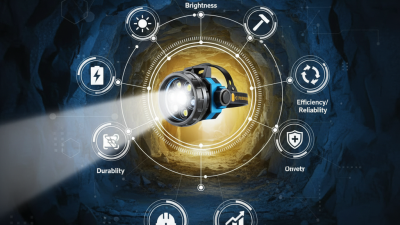

Choosing the best Mining Led Headlamp is not a brightness contest. Underground, a narrow beam can leave a worker’s hands in shadow, while a heavy lamp may tug at a helmet during a long shift. Battery runtime, beam pattern, impact resistance, comfort, and dependable charging all matter. Small details matter.
A fictional mining-lighting specialist, Alex Morgan, offers this illustrative line: “A good headlamp lights the task, lasts the shift, and stays comfortable on the helmet.” Treat that as a practical principle, not a verified quotation from a real industry expert. In this guide, we compare the features behind that principle, including usable runtime under real working conditions and beam control for close inspection and longer sightlines.
The right choice depends on the job. A maintenance worker checking a panel may need an even, close-range beam; a tunnel worker may value broader coverage and clear distance vision. Look for controls that work with gloves, a secure helmet mount, and specifications supported by credible testing. Ask how the lamp performs after repeated charging, not only when it is new. One weakness is easy to miss: a high lumen figure alone cannot show whether light reaches the work area usefully. That deserves a second look. This introduction sets up a practical comparison, while recognizing that no single lamp suits every mine, shift, or worker.
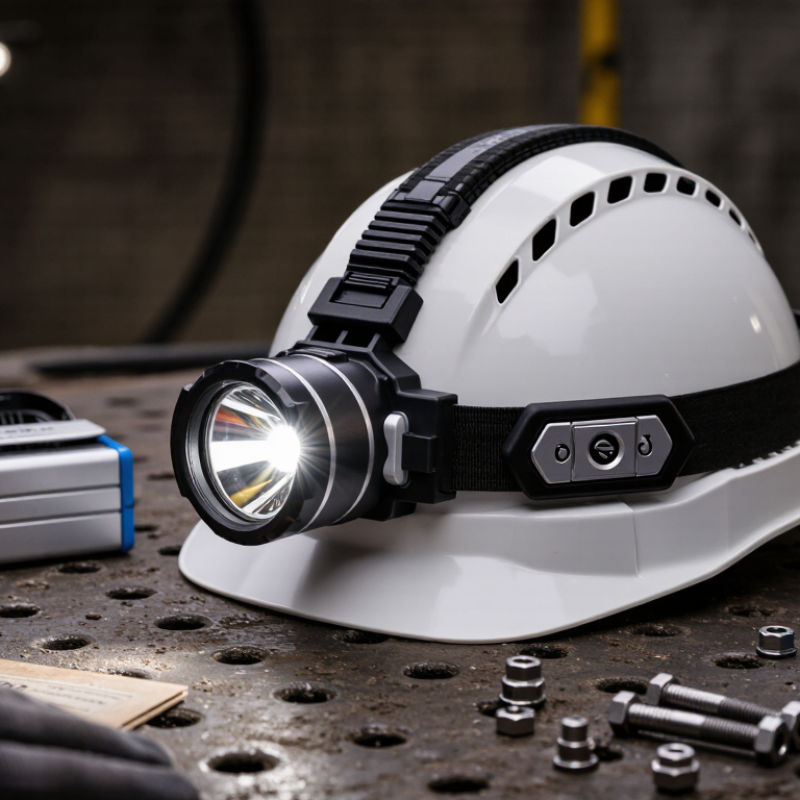
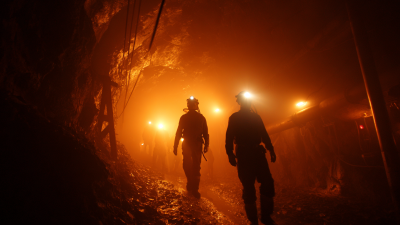
Underground lighting needs change from one work area to another. A miner checking a cable needs a focused beam, while walking through a rough passage calls for wider coverage. Look at the actual tasks, tunnel width, surface color, and distance to nearby equipment. Dark rock can swallow light, and wet surfaces may create glare. Note dust, water exposure, temperature changes, and how long the lamp must run before charging.
Brightness alone is a poor guide. A narrow, intense beam can leave the edges of a passage dark; a broad beam may not reach a distant marker. Compare beam patterns in a similar workspace, preferably with the headlamp mounted on the helmet. Check whether the controls are easy to use with gloves, and whether the battery lasts through the full shift with reserve. A small limitation: estimates on packaging may not match real use, especially as batteries age.
Tips: Walk a test route and inspect the floor, roof, and side walls. Ask workers where shadows or glare interfere with their tasks. Check site requirements for dust, moisture, and impact protection, and keep a backup light available. The best fit may take a few trials.
Choosing a mining LED headlamp starts with the work area, not the biggest lumen figure. Brightness matters, but peak output may last only briefly. Check whether the lamp maintains useful light during a full shift, and compare its lower settings too. A focused beam can reveal a distant marker, while a broad beam helps with nearby tools and uneven ground. More light is not always better.
Beam pattern changes how brightness feels. A tight central spot can leave the edges of your view dark; a wide flood beam may make close work easier but offer less reach. Some headlamps combine both. Try the pattern against a wall, then look at nearby surfaces and objects at different distances. Beam diagrams can be less intuitive than they should be.
Visibility depends on more than what you can see. A well-placed lamp should light the task without shining into a coworker’s eyes or reflecting harshly from wet surfaces. Check how securely it sits on a helmet, and whether its angle stays steady when you bend or turn. Dust, damp air, and glare can change the result, so catalog images have limits. Test brightness and beam shape in conditions similar to your work area, and follow site safety requirements.
A mining headlamp should carry safety documentation that matches its exact model, not just its product family. Check the certificate number, issuing body, and test scope against the manufacturer’s records. If the work area may contain hazardous atmospheres, confirm that the equipment is certified for the conditions and location where it will be used. Requirements vary. Paper is not proof.
Harsh conditions test more than the lamp’s brightness. Fine dust can work into seams, while water, vibration, and knocks can loosen switches or damage battery contacts. Look for a stated ingress-protection rating and read what it actually covers; dust and water resistance do not automatically mean impact resistance. Check operating-temperature limits, too. A cold shift can shorten battery runtime, even when the lamp still turns on.
Inspect the housing, lens, strap, and charging connection before use, and repeat the check after rough shifts. Ask whether the battery and charger are included in the certification or assessed separately. That detail is easy to miss. A bright beam may seem impressive in a showroom, but a loose strap or hard-to-use switch matters underground. I would also question vague claims such as “rugged” when no test method or rating is provided. Safety depends on evidence and regular condition checks, not reassuring language alone.
Battery life should be judged by usable runtime, not just the capacity printed on a battery. Compare the lamp’s stated hours at the brightness you expect to use underground. High-output settings can drain a battery much faster. Check whether the manufacturer reports runtime at full power or across several brightness levels. That detail matters.
Temperature and age also affect performance. A battery that lasts through a short inspection may not cover a full shift. Leave a practical reserve. Charging time deserves equal attention: a slow charger can leave a spare pack unavailable between shifts. Look for clear information about charging time, battery condition indicators, and whether the pack can be replaced without special tools. Small details count.
Power options shape daily use. A removable battery lets workers carry a charged spare, while a built-in pack reduces loose parts but may require the whole lamp to charge. Choose based on access to safe charging points and the length of the work period. Check that the charging port has a secure cover, and inspect it for dust or moisture before connecting the cable. USB charging can be convenient, but compatibility and charging speed vary. I would not assume a larger battery is always better; extra weight can make a headlamp uncomfortable over many hours. Try the fit with the battery installed.
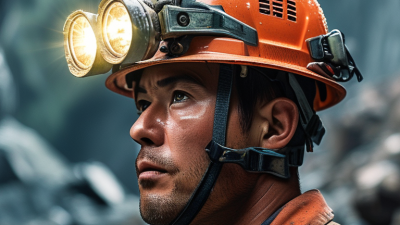
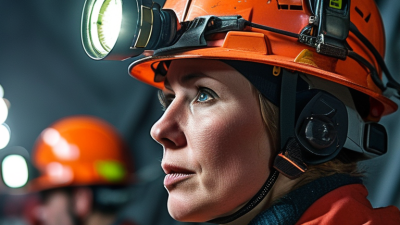
A mining LED headlamp should sit securely on the helmet without shifting when you look down or turn quickly. Check whether its strap fits over your helmet and stays comfortable with other protective equipment in place. Adjust the beam angle while wearing gloves; a control that feels simple indoors may be awkward underground. The lamp should illuminate nearby surfaces without forcing you to crane your neck. Small details matter.
Usability also depends on weight, battery placement, and how clearly you can check the charge. If the battery pulls the helmet backward, even a bright beam can become tiring over a long shift. Try the controls with gloves before choosing, and check the maker’s stated dust and water protection for your working conditions. I would not judge comfort from a brief try-on alone; a few minutes can hide a pressure point that becomes irritating later.
Tips: Inspect the strap, lens, contacts, and cable before use. Wipe away dust with a soft cloth, and follow the care instructions for cleaning and charging. Replace worn parts only with compatible components. Keep a simple maintenance record; it is easy to forget when a seal or strap was last checked.