Top 10 Integral Drill Rod Benefits and Applications You Should Know?
Integral Drill Rods play a crucial role in various drilling applications. According to Dr. Emily Chen, a renowned expert in drilling technology, "The efficiency of any drilling operation largely depends on the tools used, including the Integral Drill Rod." This statement underscores the importance of understanding the benefits and applications of Integral Drill Rods in today's industry.
These rods are designed for enhanced durability and strength. They reduce the risk of breakage during drilling, ensuring smoother operations. Each application, whether in mining or construction, can benefit from their unique features. However, their effectiveness can vary depending on the specific conditions and materials involved. It's vital to choose the right type of Integral Drill Rod for each project.
Professionals in the field must remain informed about the latest advancements. The versatility of Integral Drill Rods means they have multiple uses. Yet, challenges remain in matching them to the right use cases. Exploring the top ten benefits reveals both opportunities and areas for improvement in application strategies. Understanding these elements is essential for maximizing efficiency and performance in every drilling endeavor.
Benefits of Integral Drill Rods in Mining Operations
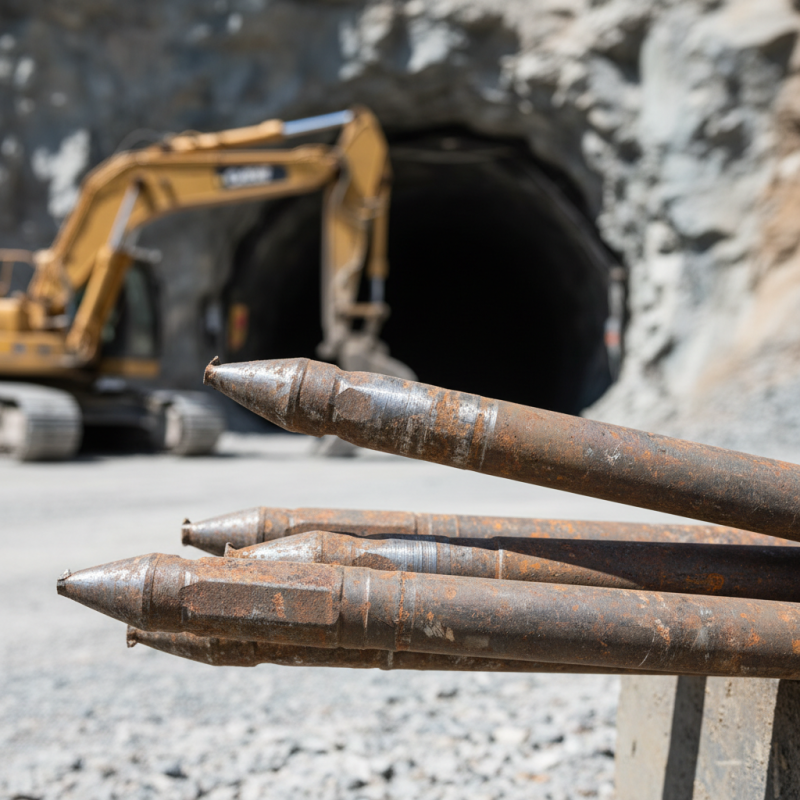
Integral drill rods play a vital role in modern mining operations. These rods provide enhanced durability and efficiency, resulting in better overall performance. According to a recent industry report, the use of integral drill rods in underground mining has increased productivity by an average of 15%. They are designed to withstand extreme conditions, which contributes to their growing popularity among mining professionals.
One notable benefit is reduced maintenance. Integral drill rods have fewer components than traditional rods, minimizing the potential for mechanical failure. A study highlighted that maintenance costs could drop by up to 20% when using integral drill rods. Moreover, their seamless construction offers improved rigidity and stability during drilling. This leads to a more accurate drilling process, which is essential for maximizing resource extraction.
While integral drill rods present many advantages, there are areas for improvement. Some users report difficulties in replacing worn-out rods due to their design. It’s essential for companies to weigh these factors against the benefits. The decision to adopt integral drill rods should involve careful consideration of both operational needs and potential challenges. This balanced approach will help mining operations optimize their drilling practices.
Top 10 Integral Drill Rod Benefits and Applications
Applications of Integral Drill Rods in Construction Industry
Integral drill rods have become essential in the construction industry, especially for applications requiring deep drilling. Their design allows for seamless integration, reducing the chance of failure during operations. These rods efficiently transmit torque and are capable of handling challenging geological conditions. This reliability makes them a preferred choice among construction professionals.
In urban construction projects, integral drill rods play a vital role in foundation drilling. Workers can achieve precise depth control, which is crucial for ensuring the stability of structures. These rods are also notable for their strength and durability, which can lead to cost savings over time. However, improper handling or installation can compromise their effectiveness. It’s essential for teams to ensure that personnel are trained correctly to avoid potential mishaps.
Moreover, integral drill rods can be customized based on project needs, including varying lengths and materials. This flexibility enhances their application in different environments, such as rocky terrains. Nevertheless, it's important to regularly evaluate the performance of these rods to address any wear or damage that may occur during use. Regular assessments and maintenance can improve their longevity and performance in construction projects.
Comparative Analysis: Integral Drill Rods vs. Traditional Drill Rods
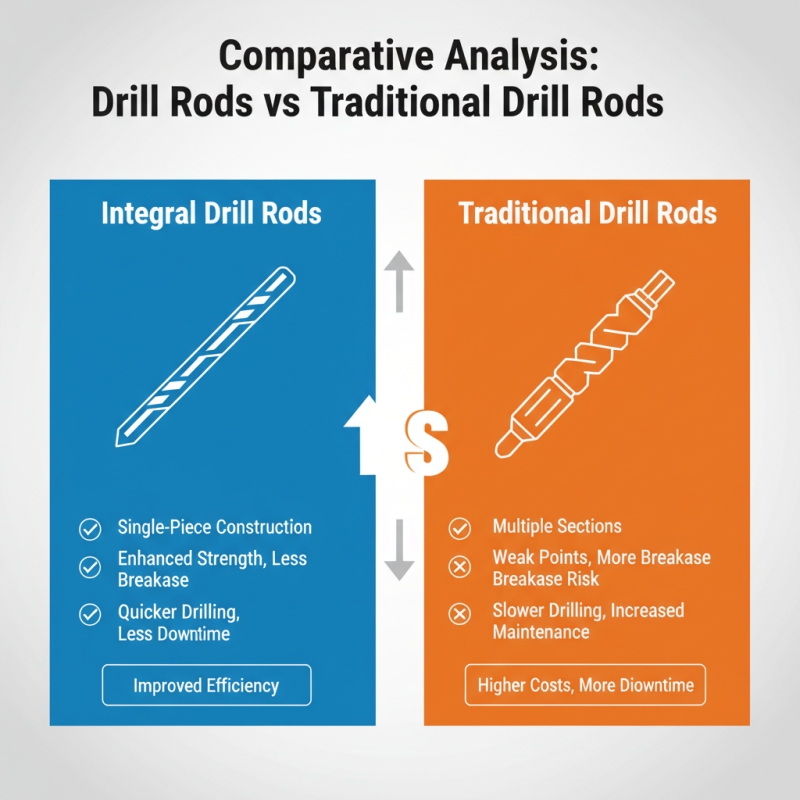
When comparing integral drill rods to traditional ones, several key differences emerge. Integral drill rods are designed as a single piece, enhancing strength and reducing the likelihood of breakage. In contrast, traditional drill rods consist of multiple sections, which can introduce weak points and increase maintenance costs. The improved efficiency of integral rods ensures quicker drilling and less downtime.
Tips: Always assess the geological conditions before making a choice. Different drilling environments may favor one type over the other.
Another critical point lies in the weight distribution. Integral drill rods typically offer better weight management, which can lead to more precise control during operations. This is crucial when drilling in unstable terrains. Traditional drill rods can struggle with this aspect, potentially affecting accuracy.
Tips: Regularly check the wear and tear on both types. This practice can lead to improved safety and performance over time.
Also, integral rods can be more cost-effective in the long run. Although the initial investment might be higher, their durability can save on replacement costs. Traditional rods may require frequent replacements, which can add up. Consider your project’s timeline and budget when choosing the best option.
Key Features Enhancing Performance of Integral Drill Rods
Integral drill rods are essential in the mining and construction industries. Their unique features significantly enhance performance. One key aspect is their solid design, which limits water loss during operations. This leads to efficient drilling and reduces downtime. Additionally, the heat-treated steel used in these rods ensures superior strength, allowing them to withstand harsh conditions.
Another notable feature is their compatibility with various drill bits. This flexibility makes integral drill rods suitable for multiple applications. They are often used in both surface and underground drilling. The continuous development in manufacturing processes has also improved their durability and resistance to wear. This advancement means fewer replacements and maintenance costs over time.
Yet, while integral drill rods offer many benefits, challenges remain. Operators must ensure proper handling and storage to avoid damage. Even minor misalignments can affect performance. It's essential to regularly assess their condition during use. Understanding these aspects can lead to more effective application and longevity of the equipment.
Maintenance Tips for Maximizing Lifespan of Integral Drill Rods
Maintaining integral drill rods is crucial for their longevity and efficiency. Regular care can enhance performance and reduce costs over time. Here are some essential tips.
Inspect your drill rods routinely for wear and damage. Look for signs of corrosion or excessive wear on the rod’s surface. Even small issues can lead to bigger problems if left unaddressed. Proper lubrication is vital too. Use the recommended lubricants to minimize friction during drilling.
Cleaning is another important aspect of maintenance. Remove dirt and debris after each use. This prevents buildup that can cause wear over time. Additionally, store your drill rods in a dry, secure environment. Avoid exposing them to harsh conditions. Finally, remember that not all drilling conditions are ideal. Always be ready to adapt your techniques to ensure the rods don’t wear out prematurely.
Top 10 Integral Drill Rod Benefits and Applications You Should Know
| Benefit/Application |
Description |
| Increased Durability |
Integral drill rods are designed to withstand extreme conditions, extending their lifespan. |
| Improved Efficiency |
Their optimized design enhances drilling speed and reduces operational costs. |
| Reduced Weight |
Lighter materials make drilling easier and require less energy. |
| Less Maintenance |
Integral rods require fewer repairs and less frequent replacements. |
| Versatile Applications |
They can be used in mining, construction, and geological exploration. |
| Better Impact Resistance |
Integral rods are less likely to crack or fracture under pressure. |
| Enhanced Precision |
They provide greater accuracy in drilling operations. |
| Cost-Effective |
Lower total cost of ownership due to reduced wear and tear. |
| Quick Replacement |
Designed for fast and easy swapping which minimizes downtime. |
| Environmentally Friendly |
Made with materials that have less environmental impact during production. |