China Top 10 Mining Lamp Charger Suppliers?
Choosing a Mining Lamp Charger supplier involves more than comparing prices. The charger must match the lamp model, battery chemistry, voltage, and charging connector. A mismatch can cause poor charging or shorten battery life. In daily use, details matter: a stable dock, clear status indicators, and a cable that withstands repeated handling can make a real difference.
This guide explores ten suppliers in China and the factors buyers can use to assess them. It considers product range, manufacturing experience, quality-control procedures, customization, delivery capacity, and after-sales support. No shortlist is perfect. Supplier rankings can change, and a polished website alone does not prove production capability. Ask for current specifications, relevant test reports, warranty terms, and references for comparable orders. Where possible, inspect a sample under normal operating conditions before committing to a larger purchase.
The right supplier depends on the mine’s equipment, operating environment, and service needs. Buyers should confirm charging time, compatible lamp models, expected battery life, and procedures for handling defective units. Clear answers are useful. Vague claims are not. This article is intended as a practical starting point, not a substitute for technical evaluation. Product information can change, so verify important details directly with each company before making a decision.
What Are Mining Lamp Chargers and Where Are They Used?
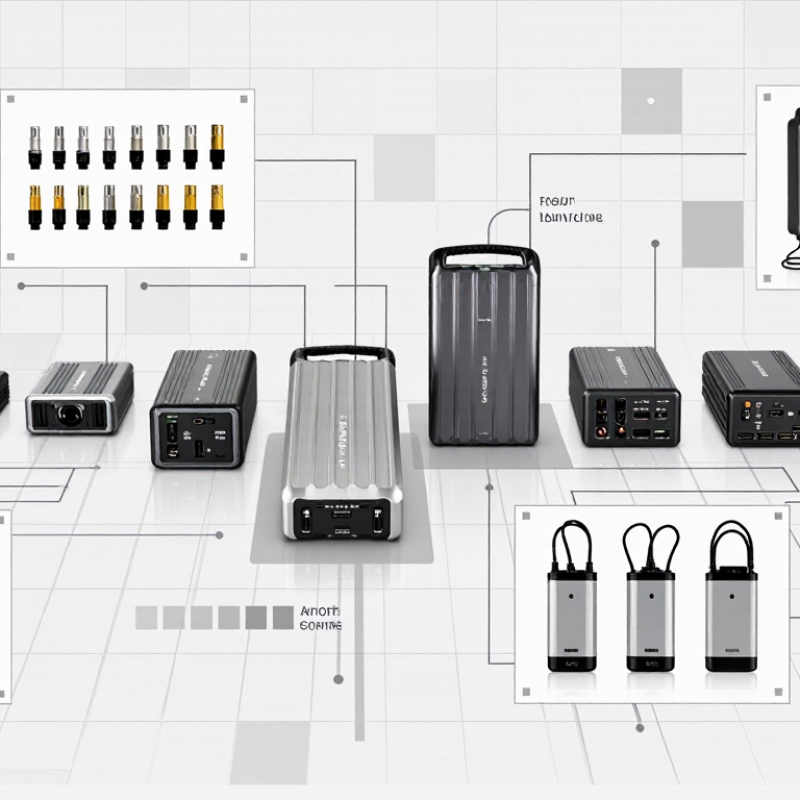
A mining lamp charger restores power to the cap lamps workers wear on helmets. These lamps provide hands-free light in dark headings, tunnels, and underground work areas. A charger may be a single dock or a rack holding many lamps. Each position connects the lamp or its removable battery to a controlled power supply. Small indicator lights often show charging progress or a fault. Simple, but not foolproof.
Chargers are commonly installed in lamp rooms near mine entrances, where workers collect lamps before a shift and return them afterward. Some operations also use them at maintenance stations or in other designated work areas. The exact location depends on the site’s procedures and equipment. A well-organized rack keeps lamps identifiable and reduces cable clutter. Compatibility matters: check the lamp model, battery type, connector, and charger output against the equipment specifications. Staff should inspect plugs and cables, and remove damaged lamps or batteries from service. Heat, swelling, or unusual odors deserve prompt attention. A tidy charging room helps, though it cannot replace regular checks. It is easy to overlook a loose connector during a busy shift.
How to Evaluate Mining Lamp Charger Suppliers in China
Choosing a mining lamp charger supplier in China requires more than comparing prices. Start with compatibility: confirm output voltage, charging current, connector type, and polarity against your lamp and battery specifications. Ask whether the charger supports the battery chemistry you use. A mismatch can shorten battery life or create unsafe charging conditions.
Request recent test reports and clear details about overcurrent, short-circuit, and temperature protection. Check whether documents match the exact charger model, not just a similar product. Ask for a production sample and inspect its casing, cable strain relief, and connector fit. A polished catalog is not proof. Test charging performance under your actual operating conditions, including repeated charging cycles.
Supplier evaluation also depends on practical reliability. Review quality-control records, production capacity, lead times, and how defects are handled. Ask who checks each unit and how failed products are traced. Response speed matters, but it can be overvalued; written procedures and consistent records provide better evidence. If a supplier cannot explain a specification plainly, pause and verify it before placing a large order.
Profiles of 10 Chinese Mining Lamp Charger Suppliers
China Top 10 Mining Lamp Charger Suppliers?
Profiles of 10 Chinese Mining Lamp Charger Suppliers
A reliable supplier profile should show more than a product photo. It should explain charger capacity, battery compatibility, temperature limits, cycle testing, and after-sales support. The International Energy Agency’s Global Critical Minerals Outlook 2024 projects that demand for minerals used in clean energy technologies could nearly triple by 2030 in its net-zero scenario. This wider growth makes dependable mine-site equipment increasingly important, though it does not predict charger sales.
The ten profiles can compare distinct strengths: compact single-unit chargers; multi-port charging racks; intelligent charge-control systems; ruggedized enclosures; battery-specific designs; high-volume production; custom connector options; documented quality checks; responsive technical service; and export-focused logistics. These are evaluation categories, not verified claims about named companies. Ask each candidate for test records, clear specifications, and evidence that its charger matches the lamp battery. Small details matter. A loose connector or unclear charging indicator can disrupt a shift.
Tips: Request a sample and test it with your own lamps. Check charging time, heat, cable strain, and fault alerts. Ask how replacement parts are handled. A polished brochure is useful, but not proof.
Reading the chart: This theoretical comparison uses a 1 Ah battery and the formula charging time (hours) = battery capacity (Ah) ÷ charging current (A). It is not supplier-specific: actual charging times vary with battery chemistry, charger design, and charging losses.
How Supplier Products, Certifications, and Services Compare
Mining lamp charger suppliers differ in more than charging speed. Compare supported lamp models, battery chemistry, charging time, temperature range, and protection against dust and moisture. Ask for test reports, not just catalog claims. A charger that works well in a clean workshop may struggle underground.
Certifications and after-sales service also matter. Check whether safety and ingress-protection claims match the mine’s operating conditions and applicable local requirements. Request traceable test records, clear warranty terms, spare-part availability, and a realistic repair turnaround. The IEA’s Global EV Outlook 2024 reports that EV battery demand reached about 750 GWh in 2023, up roughly 40% year on year. This is not cap-lamp data, but it shows how quickly battery systems are evolving; suppliers should explain how they manage cell compatibility and replacement. A polished specification sheet can still leave practical questions unanswered.
Tips: Test sample chargers with the actual lamps and batteries. Record charge time, heat, connector fit, and fault behavior across repeated shifts. Small details matter. Ask who handles repairs, and where. Compare written evidence before comparing prices.
How to Verify and Select the Right Supplier
China Top 10 Mining Lamp Charger Suppliers?
How to Verify and Select the Right Supplier
A supplier’s catalogue cannot prove that a charger suits your lamps. Check the output voltage, current, connector pinout, and polarity against the lamp’s specifications. Ask for batch-level test records, not just a generic certificate.
The ILO’s 2015 mining safety guidance notes that mining employs about 1% of the global workforce but accounts for around 8% of fatal workplace accidents. That figure concerns mining overall, not chargers specifically, but it underlines why equipment checks matter.
Small details count.
Request a sample and test it with the actual lamp model. Record charging time, temperature, indicator behavior, and connector fit; repeat the test across several charge cycles. Ask how the supplier checks overcurrent protection, short-circuit response, and performance under expected site temperatures.
Compare written test results with the sample, and confirm that serial or batch numbers are traceable. A tidy certificate folder is reassuring, but it is not proof of consistent production.
I would also ask about replacement parts and response times. This step is easy to overlook. A supplier that answers technical questions clearly may be a better choice than one offering the lowest quote.