How to Choose the Best Electric Rock Drill in 2026?
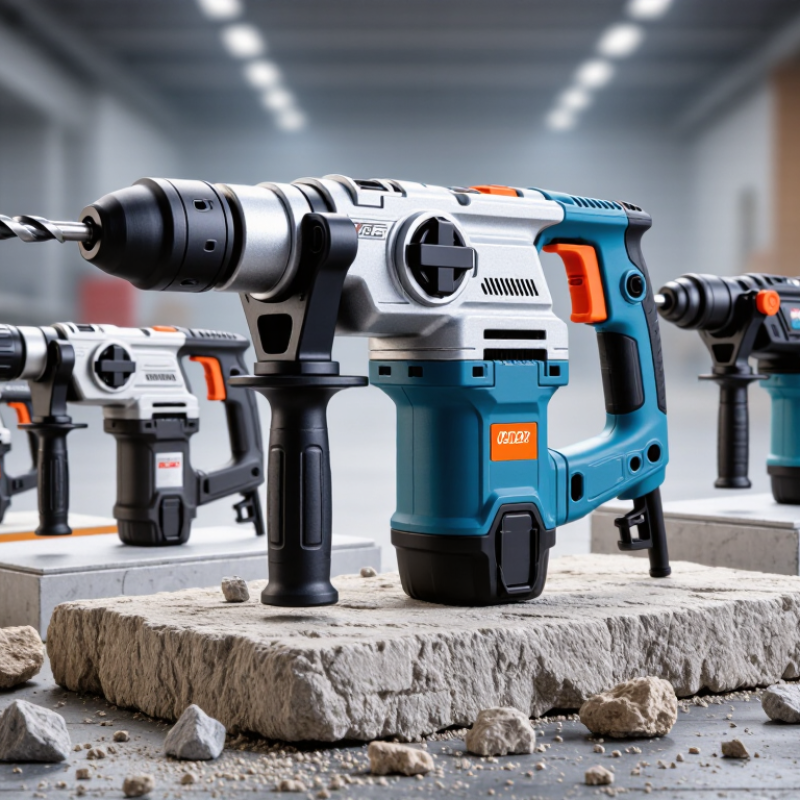
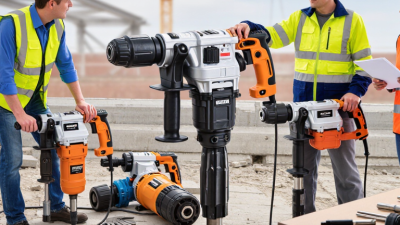
Matching drill specifications to your budget starts with the actual work, not the biggest number on a product sheet. For short anchor holes in a basement, a lighter drill may be easier to control than a heavy model built for continuous quarry work. Compare impact energy, blows per minute, compatible bit sizes, tool weight, and rated duty cycle. Then check the power supply: a remote site may not have reliable access to high-capacity mains power. A low purchase price can also hide costs for bits, extension cables, repairs, and downtime. That part is easy to miss.
Worksite conditions should guide your safety and performance checks. NIOSH’s Criteria for a Recommended Standard: Occupational Noise Exposure (1998) sets an 85 dBA recommended exposure limit for an eight-hour workday, using a 3 dB exchange rate. Actual drill noise depends on the tool, material, and surroundings, so measure at the operator’s position rather than relying on a brochure. Dust, vibration, cramped access, and overhead drilling also affect which specifications matter most. A powerful drill is not automatically the right one.
Tips: List your common hole diameters and daily drilling hours before comparing models. Ask for verified noise and vibration figures, plus service and spare-part costs. Leave some budget for suitable bits and protective equipment. If your workload changes often, a modestly priced tool may still prove costly. Recheck the assumptions.